
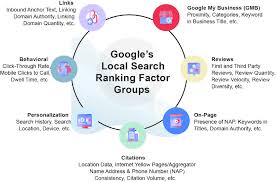
Google Local Search Marketing: A Practical Guide for UK Businesses
When someone searches for a nearby plumber, café, solicitor or hairdresser, they often want to find a business they can contact or visit straight away. Google local search marketing helps businesses appear in these location-based searches, connecting them with people looking for relevant products or services in their area.
It combines local search engine optimisation (SEO), a well-managed Google Business Profile and, where appropriate, paid advertising. Used together, these activities can improve your visibility in Google Search and Google Maps and make it easier for potential customers to choose you.
What is Google local search marketing?
Google local search marketing is the process of promoting a business to people searching for products or services in a particular location. A search such as “accountant in Leeds” is clearly local, but Google may also show nearby results for a search like “accountant” when it believes the person wants a local service.
Local results can appear in several places, including Google Maps, the map-based local results in Search and ordinary organic listings. Sponsored placements may also appear when a business runs Google Ads.
Set up and optimise your Google Business Profile
Your Google Business Profile is one of the most important tools for local visibility. It can show essential information about your business directly in Search and Maps, such as your address, phone number, opening hours, website, reviews and photos.
Claim or create your profile, then make sure the details are accurate and complete. Pay particular attention to:
- Business name: Use the name customers know you by. Avoid adding extra keywords if they are not part of your real-world business name.
- Business category: Choose the most relevant primary category and add suitable additional categories where available.
- Address or service area: Show a public address if customers visit your premises. If you travel to customers and do not serve them at your address, set up the profile as a service-area business.
- Contact details: Check that your phone number and website link work correctly.
- Opening hours: Keep your regular hours current and update special hours for holidays or one-off closures.
- Business description and services: Clearly explain what you offer and who you serve.
- Photos: Add genuine, recent images of your premises, products, team or completed work.
Keep the profile active by responding to reviews, answering customer questions and sharing relevant updates when useful. Do not add information simply to fill space; accuracy and usefulness matter most.
Build a strong local website
A Google Business Profile is valuable, but it should support a useful website rather than replace one. Your site needs to make it clear what you do, where you operate and how customers can get in touch.
For a business serving several towns or areas, create location pages only where they provide genuinely useful, distinct information. A page that simply swaps one town name for another can feel repetitive and offer little value. Instead, include relevant services, local details, customer information and clear contact options for each area.
Make sure your website is easy to use on mobile phones. Many local searches happen on mobile, so visitors should be able to find your phone number, opening hours, address and booking options without difficulty. Fast-loading pages, clear navigation and accessible text also improve the experience.
Keep business information consistent
Your business name, address and phone number should be consistent wherever they appear online. Check your website, Google Business Profile, social media pages and relevant directories. Inconsistent details can confuse customers and make it harder for search engines to confirm which information is correct.
If your business moves, changes its phone number or updates its trading name, revise your important listings promptly. Avoid creating duplicate profiles or listings, as these can cause confusion.
Earn and respond to customer reviews
Reviews help potential customers understand what it is like to deal with your business. They can also support your local marketing by adding fresh, first-hand feedback to your online presence.
Invite customers to leave an honest review after a genuine interaction. Make the process straightforward, but do not offer rewards for reviews or pressure customers to give a particular rating. Follow Google’s current review policies and local consumer-protection rules.
Respond to reviews in a professional, considerate manner. Thank customers for positive feedback, and address concerns calmly. Do not reveal private customer information in a public reply. A thoughtful response can reassure both the reviewer and people who are considering your business.
Create locally relevant content
Useful content can help demonstrate your expertise and answer questions from people in your area. Depending on your business, this could include advice articles, service explanations, project examples, event information or guides to choosing a local provider.
Focus on topics customers genuinely care about rather than repeating location names unnaturally. For example, a local builder might explain what to consider before renovating a particular type of property, while a café could publish information about its seasonal menu or accessible facilities.
Consider Google Ads for local reach
Organic local visibility can take time to build. Google Ads can provide another way to reach potential customers, particularly when promoting a specific service, offer or location. Campaigns can be configured to target selected areas and direct users to a relevant page or encourage them to call, depending on the campaign type and available settings.
Set a clear budget, choose relevant search terms and send people to a page that matches the advert. Measure enquiries and sales where possible, rather than judging a campaign solely by clicks. Paid advertising does not replace good local SEO, but it can complement it.
Measure what is working
Regular measurement helps you understand whether your local marketing is attracting the right audience. Useful indicators include:
- Calls, website visits and other interactions recorded in your Google Business Profile, where available.
- Visits to key service and location pages on your website.
- Enquiries, bookings, quote requests or completed sales.
- Search visibility for relevant local terms.
- Review volume, recency and the themes customers mention.
- Advertising costs compared with the value of the leads or sales generated.
Tools such as Google Analytics and Google Search Console can help you understand website traffic and search performance. Use appropriate privacy notices and consent tools where required, and avoid collecting more personal information than your business needs.
Common local marketing mistakes to avoid
- Leaving incorrect opening hours, addresses or phone numbers online.
- Creating thin location pages with little useful information.
- Adding keywords to a business name when they are not part of its real name.
- Buying reviews, offering rewards for positive reviews or posting fake feedback.
- Ignoring negative reviews or replying in an argumentative tone.
- Running ads without a clear budget, relevant landing page or way to measure results.
A steady approach to local visibility
Google local search marketing is not a one-off task. It works best when your business information stays accurate, your website answers customers’ questions and your team responds consistently to feedback and enquiries. Start with the essentials: complete your Google Business Profile, improve your key website pages and make it easy for satisfied customers to share honest reviews.
By combining these fundamentals with useful local content and carefully measured advertising, UK businesses can build a stronger presence in local search and make it easier for nearby customers to find and choose them.
7 Essential Tips for Optimising Your Google Local Search Marketing
- Claim and verify your Google Business Profile.
- Keep your name, address and phone number accurate.
- Choose the most relevant business categories.
- Add local keywords naturally to your website.
- Encourage customers to leave honest reviews.
- Post fresh photos and business updates regularly.
- Track calls, directions and website visits.
Claim and verify your Google Business Profile.
Claiming and verifying your Google Business Profile is a key first step in local search marketing. Verification helps confirm that you’re authorised to manage the business, allowing you to update important details such as your address or service area, phone number, opening hours and website. Keep the profile accurate and complete so potential customers can find reliable information about your business in Google Search and Maps.
Keep your name, address and phone number accurate.
Keep your business name, address and phone number accurate and consistent across your Google Business Profile, website and other online listings. Up-to-date details help customers contact or visit you without confusion and make it easier for Google to confirm your business information. If anything changes, update your listings promptly.
Choose the most relevant business categories.
Choose the most relevant business categories for your Google Business Profile so Google and potential customers can quickly understand what your business does. Select the category that best describes your main service as the primary category, then add only a few accurate secondary categories for other services you genuinely provide. Avoid choosing categories simply because they seem popular or cover loosely related keywords; precise, honest details help your profile appear for more relevant local searches.
Add local keywords naturally to your website.
Add local keywords naturally to your website by including the towns, areas or regions you genuinely serve in relevant places, such as service pages, page titles and contact details. For example, a Bristol electrician might mention “electrical services in Bristol” where it fits the content, rather than repeating the phrase unnaturally throughout every page. Keep the information useful and specific to customers, and avoid creating near-identical pages just to target different locations.
Encourage customers to leave honest reviews.
Encourage satisfied customers to leave an honest review after a genuine interaction with your business. Make it easy by sharing a direct link or explaining how to find your Google review page, but never pressure customers to leave a particular rating or offer rewards in exchange. Respond politely to all feedback, thanking customers for positive comments and addressing concerns constructively. Genuine, recent reviews help potential customers make informed decisions and show that your business values their experience.
Post fresh photos and business updates regularly.
Post fresh photos and business updates regularly to keep your Google Business Profile useful and engaging. Share clear, genuine images of your premises, products, team or recent work, alongside timely updates about new services, seasonal offers or changes to opening hours. Regular, accurate updates help potential customers see what your business offers and give them a reason to choose you.
Track calls, directions and website visits.
Track calls, direction requests and website visits to understand how your Google local search marketing is performing. These actions show whether people are moving from finding your business to considering a visit or making an enquiry. Review the figures regularly, look for changes over time and compare them with real outcomes such as bookings or sales. This helps you identify what is working and where your profile, website or local campaigns may need improvement.
Author

manually@ipower.eu
Related Posts

Top Content Creation Companies: How to Choose the Right Agency for Your Brand
Top Content Creation Companies to Consider Great content can help a business explain what it does, build trust and stay memorable. But...
Read out all
Local Search Engine Marketing Services: A Guide for UK Businesses
Local Search Engine Marketing Services: A Guide for Businesses When people need a nearby service, they often turn to a search engine....
Read out all
Unleashing the Power of SEO Expertise in Marketing Strategies
The Role of an SEO Expert in Marketing The Role of an SEO Expert in Marketing In today’s digital landscape, the role...
Read out all
- company services
- digital agency
- digital marketing
- digital marketing agency
- digital marketing company
- digital seo
- internet
- internet marketing
- internet marketing agency
- internet marketing company
- internet marketing services
- local
- local seo
- local seo company
- local seo services
- localsearch
- marketing
- marketing agency
- marketing companies
- seo
- seo agency
- seo companies
- seo company
- seo firm
- seo marketing services
- seo services
- service marketing
- services
- strategies
Unlocking Success Locally: The Role of a Local Search Marketing Agency
Local Search Marketing Agency: Boost Your Business Locally The Power of Local Search Marketing Agencies In today’s digital age, having a strong...
Read out all
- company experts
- digital marketers
- digital marketing
- digital marketing companies
- digital marketing seo
- digital marketing specialist
- digital strategy
- expert company
- marketing
- marketing jobs
- search marketing expert
- seo
- seo companies
- seo company
- seo expert
- seo specialist
- service expert
- specialist seo
- strategy expert
Unleashing the Power of a Digital Marketing SEO Specialist
The Role of a Digital Marketing SEO Specialist The Role of a Digital Marketing SEO Specialist In the fast-paced world of digital...
Read out allUnlocking Success: The Essential Role of an SEO Content Creation Agency
The Power of SEO Content Creation Agencies The Power of SEO Content Creation Agencies In the digital age, where online visibility can...
Read out all