
The Importance of a Healthy Diet
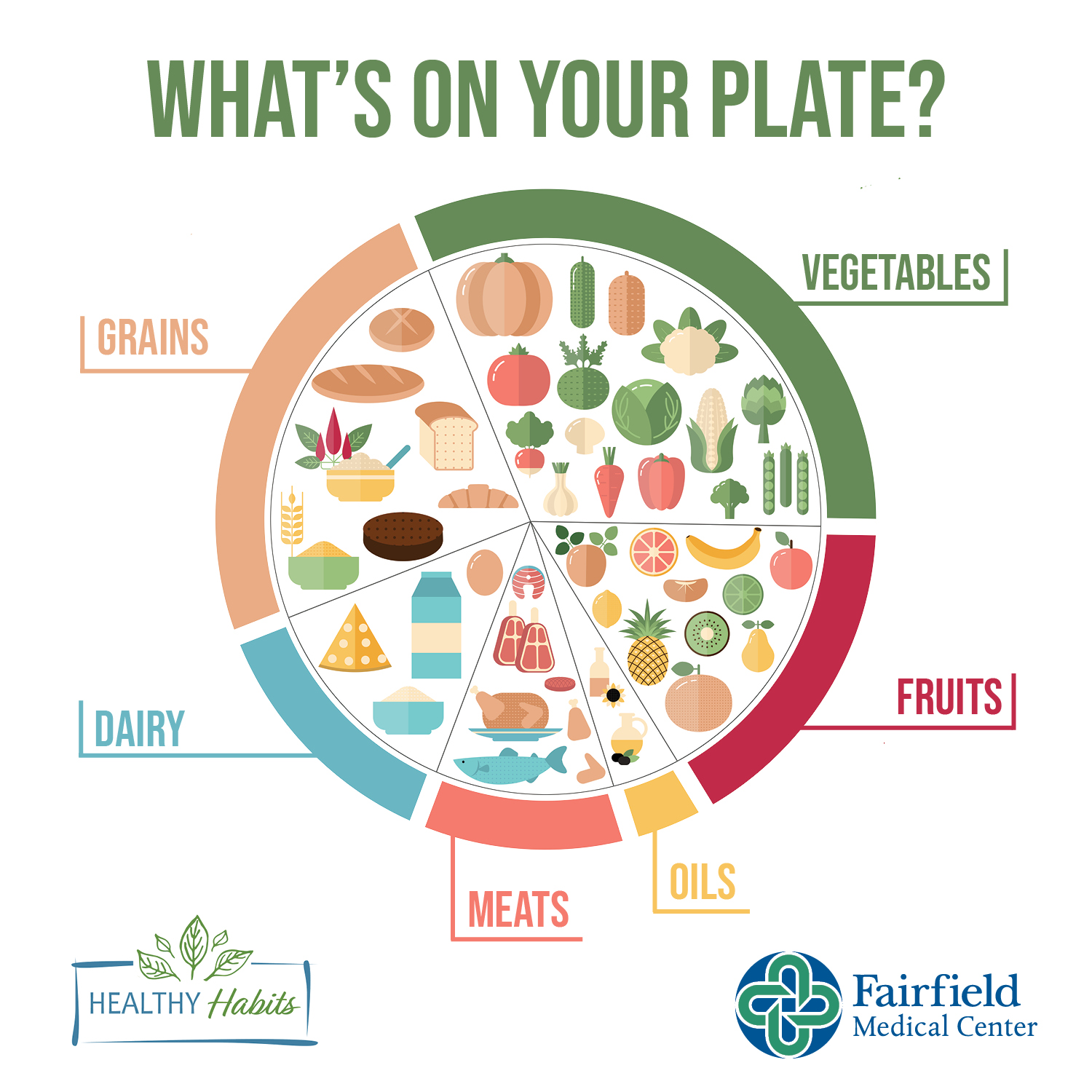
Maintaining a healthy diet is essential for overall well-being and longevity. A balanced diet provides the necessary nutrients, vitamins, and minerals that our bodies need to function optimally. Here are some key reasons why adopting a healthy diet is crucial:
Improved Physical Health
A healthy diet rich in fruits, vegetables, whole grains, lean proteins, and healthy fats can help reduce the risk of chronic diseases such as heart disease, diabetes, and certain types of cancer. Eating a variety of nutrient-dense foods nourishes our bodies and supports proper organ function.
Weight Management
Eating a balanced diet can help maintain a healthy weight or support weight loss goals. By consuming the right amount of calories and nutrients, we can prevent excessive weight gain and reduce the risk of obesity-related health issues.
Enhanced Mental Well-being
Research has shown that what we eat can impact our mental health. A diet high in processed foods and sugar may contribute to mood swings, fatigue, and cognitive decline. On the other hand, a diet rich in whole foods can improve mental clarity, focus, and overall mood.
Increased Energy Levels
Fuelling your body with nutritious foods provides sustained energy throughout the day. Foods high in refined sugars and unhealthy fats can lead to energy crashes and fatigue. Opting for complex carbohydrates, lean proteins, and fibre-rich foods can help keep energy levels stable.
Stronger Immune System
A well-rounded diet that includes immune-boosting nutrients like vitamin C, zinc, and antioxidants can strengthen your body’s defences against infections and illnesses. Eating plenty of fruits, vegetables, nuts, seeds, and legumes can support a robust immune system.
Conclusion
Incorporating a variety of nutrient-rich foods into your daily meals is key to promoting good health and vitality. Remember that small changes to your eating habits can have significant long-term benefits for your overall well-being. Prioritise whole foods over processed options and listen to your body’s hunger cues to maintain a healthy balance.
Essential FAQs on Maintaining a Healthy Diet
- What are the 5 P’s to avoid eating?
- What is the healthiest diet you can eat?
- What are the 10 most healthy foods to eat?
- What should I eat for a healthy diet?
- What is the best diet for a healthy body?
- What is considered a healthy diet?
What are the 5 P’s to avoid eating?
When it comes to maintaining a healthy diet, remembering the “5 P’s” can help steer you away from unhealthy eating habits. The 5 P’s to avoid include processed foods high in sugars, preservatives, and additives that offer little nutritional value. Additionally, it’s important to limit consumption of fried foods that are often high in unhealthy fats. Processed meats, which can be high in sodium and saturated fats, should also be consumed in moderation. Lastly, avoiding sugary beverages and excessive alcohol intake can contribute to a healthier diet overall. By being mindful of these 5 P’s – processed foods, fried foods, processed meats, sugary beverages, and excessive alcohol – you can make more informed choices for your well-being.
What is the healthiest diet you can eat?
When it comes to the question of what constitutes the healthiest diet, there is no one-size-fits-all answer. The healthiest diet you can eat is one that is balanced, varied, and tailored to meet your individual nutritional needs. Emphasising whole, minimally processed foods such as fruits, vegetables, whole grains, lean proteins, and healthy fats is a good starting point. Incorporating a wide range of nutrients and colours into your meals can help ensure you are getting the essential vitamins and minerals your body requires for optimal functioning. Listening to your body’s hunger and fullness cues, staying hydrated, and practising mindful eating are also important aspects of maintaining a healthy diet that supports overall well-being.
What are the 10 most healthy foods to eat?
When considering the question of the top 10 most healthy foods to eat, it’s important to focus on nutrient-dense options that provide a wide range of essential vitamins and minerals. Some examples of highly nutritious foods include leafy green vegetables like spinach and kale, berries rich in antioxidants, fatty fish such as salmon for omega-3 fatty acids, nuts and seeds for healthy fats, whole grains like quinoa and oats, lean proteins such as chicken and tofu, Greek yogurt for probiotics, colourful fruits like oranges and apples, legumes like lentils and chickpeas for fibre and plant-based proteins, and finally, cruciferous vegetables such as broccoli and Brussels sprouts known for their cancer-fighting properties. Incorporating these diverse foods into your diet can help you achieve a well-rounded and balanced approach to nutrition.
What should I eat for a healthy diet?
To maintain a healthy diet, it is essential to focus on consuming a variety of nutrient-dense foods that nourish your body. Incorporate plenty of fruits and vegetables rich in vitamins, minerals, and antioxidants. Include whole grains for fibre, lean proteins such as poultry, fish, beans, and nuts for muscle health, and healthy fats like avocados and olive oil. Limit processed foods high in sugar, salt, and unhealthy fats. Remember to stay hydrated by drinking plenty of water throughout the day. By prioritising whole foods and balanced meals, you can support your overall health and well-being.
What is the best diet for a healthy body?
When it comes to achieving a healthy body through diet, there is no one-size-fits-all answer to the question of what the best diet is. The key lies in adopting a balanced and sustainable approach to eating that suits your individual needs and preferences. A diet rich in a variety of fruits, vegetables, whole grains, lean proteins, and healthy fats is generally recommended for promoting overall health and well-being. It’s important to listen to your body, make informed food choices, and focus on nourishing yourself with nutrient-dense foods that provide the energy and essential nutrients your body needs to thrive. Consulting with a healthcare professional or nutritionist can also help tailor a diet plan that aligns with your specific health goals and requirements.
What is considered a healthy diet?
A healthy diet is one that encompasses a balanced intake of essential nutrients, vitamins, and minerals to support overall well-being. It typically includes a variety of fruits, vegetables, whole grains, lean proteins, and healthy fats in appropriate portions. Avoiding excessive consumption of processed foods high in sugar, salt, and unhealthy fats is crucial. A healthy diet focuses on nourishing the body with nutrient-dense foods while maintaining a calorie balance that supports optimal health and energy levels. Regular hydration with water and mindful eating habits are also important components of a healthy diet.
Author

manually@ipower.eu
Related Posts

International Tech News: The Latest Innovations Shaping Our World
International Tech News: A Global Perspective on Innovation The world of technology is ever-evolving, with breakthroughs and innovations emerging from every corner...
Read out all
IT Technology News Articles: The Latest Trends, Updates and Insights
IT Technology News Articles: What to Read and Why They Matter Information technology is constantly changing. New software, devices, security threats and...
Read out all
New Technology in the World Today: Innovations Shaping Our Future
Exploring New Technology in the World Today In today’s rapidly evolving world, technology continues to reshape our lives in ways previously unimaginable....
Read out all
Business and Technology News Articles: Key Trends Shaping the Future
The Intersection of Business and Technology: A Modern Renaissance In today’s fast-paced world, the synergy between business and technology is transforming industries...
Read out all
World Technology News Today: Key Developments Shaping Our Future
World Technology News Today World Technology News Today: Innovations and Developments In the rapidly evolving world of technology, today’s headlines are filled...
Read out all
What Do You Mean by Technology? A Simple Guide to Its Meaning and Everyday Uses
What Do You Mean by Technology? Technology is the use of knowledge, tools and techniques to solve problems or make tasks easier....
Read out all