
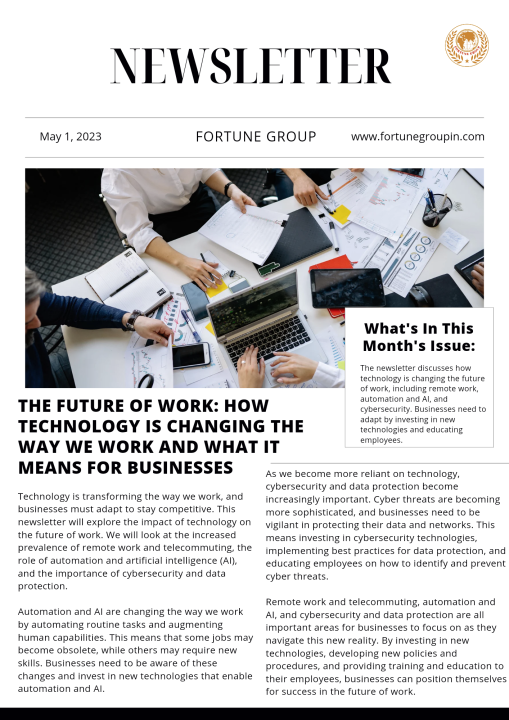
The Impact of Technology on Modern Society
In the 21st century, technology has become an integral part of everyday life, influencing the way we communicate, work, and even think. From smartphones to artificial intelligence, technological advancements have reshaped society in profound ways. This article explores the multifaceted impact of technology on modern society.
Revolutionising Communication
One of the most significant changes brought about by technology is in the realm of communication. Gone are the days when letters took weeks to reach their destination. Today, instant messaging apps and social media platforms allow people to connect with others across the globe in real-time. This has not only facilitated personal connections but also enabled businesses to operate more efficiently on an international scale.
Transforming Workplaces
The workplace has undergone a dramatic transformation due to technological advancements. Remote working tools like Zoom and Microsoft Teams have made it possible for employees to work from anywhere in the world. Automation and artificial intelligence are streamlining processes, increasing productivity, and reducing costs for businesses. However, this shift also raises concerns about job displacement and the need for new skills in a rapidly changing job market.
Enhancing Education
Technology has opened up new avenues for education and learning. Online courses and e-learning platforms provide access to quality education regardless of geographical location or financial constraints. Interactive tools such as virtual reality can create immersive learning experiences that were previously unimaginable. As educational technology continues to evolve, it promises to make learning more accessible and engaging for students worldwide.
Improving Healthcare
The healthcare industry has greatly benefited from technological innovations. Electronic health records streamline patient data management, while telemedicine allows patients to consult with healthcare professionals remotely. Wearable devices monitor vital signs in real-time, providing valuable data that can lead to better health outcomes. Additionally, advancements in medical research technologies are paving the way for groundbreaking treatments and cures.
Challenges and Ethical Considerations
Despite its many benefits, technology also presents challenges that must be addressed responsibly. Privacy concerns have arisen due to data collection practices by tech companies. Cybersecurity threats pose risks to individuals and organisations alike. Furthermore, ethical questions surrounding artificial intelligence and automation continue to spark debate about their long-term implications on society.
The Future of Technology
The future holds endless possibilities as technology continues its rapid advancement trajectory. Innovations such as quantum computing could revolutionise industries ranging from finance to pharmaceuticals by solving complex problems at unprecedented speeds. The Internet of Things (IoT) promises greater connectivity between devices than ever before – transforming everyday objects into smart tools capable of enhancing our lives further still.
In conclusion, while there are undoubtedly challenges associated with technological progress – including ethical dilemmas related specifically towards privacy concerns alongside cybersecurity threats – there remains no denying how transformative these developments have proven themselves thus far within various sectors throughout modern-day society today overall! As we look ahead toward what lies next upon horizon ahead: only time shall tell exactly where journey ultimately leads us all together collectively moving forward into future unknowns yet discovered awaiting discovery anew each day anew anew anew anew anew anew anew anew anew anew anew anew!
Exploring Technology: Its Impact, Benefits, and Challenges in Modern Society
- What is the impact of technology on modern society?
- How has technology changed the way we communicate?
- What are the benefits of technology in education and healthcare?
- How is artificial intelligence changing the workplace?
- What are the main risks and challenges associated with technology?
What is the impact of technology on modern society?
Technology has transformed modern society by changing how people communicate, work, learn and access healthcare. Digital tools make information and services more readily available, help businesses work more efficiently and connect people across long distances. However, technology also brings challenges, including privacy and cybersecurity risks, misinformation, and concerns about automation affecting jobs. Its overall impact depends on how responsibly it is developed and used.
How has technology changed the way we communicate?
Technology has made communication faster, more accessible and more global. Email, messaging apps and video calls let people share information instantly and stay in touch across long distances, while social media helps individuals and organisations reach large audiences. These tools make collaboration easier, but they can also reduce face-to-face interaction, spread misinformation quickly and raise concerns about privacy.
What are the benefits of technology in education and healthcare?
Technology offers significant benefits in both education and healthcare. In education, online learning platforms, digital resources and interactive tools can make lessons more engaging, support different learning needs and give students access to materials from almost anywhere. In healthcare, tools such as electronic health records, telemedicine and wearable devices can help professionals share information, consult with patients remotely and monitor health more effectively. Used responsibly, these technologies can improve access, convenience and the quality of services in both fields.
How is artificial intelligence changing the workplace?
Artificial intelligence (AI) is fundamentally transforming the workplace by automating routine tasks, enhancing decision-making processes, and driving innovation. In various industries, AI-powered tools and systems are streamlining operations by handling repetitive and time-consuming activities, allowing employees to focus on more strategic and creative tasks. For instance, chatbots and virtual assistants are improving customer service by providing instant responses to queries, while machine learning algorithms are analysing vast datasets to offer insights that inform business strategies. Moreover, AI is fostering innovation by enabling the development of new products and services that were previously unimaginable. However, this shift also raises important considerations regarding job displacement and the need for upskilling workers to adapt to new roles in an AI-driven environment. As businesses continue to integrate AI into their operations, the workplace is set to become more efficient, dynamic, and competitive.
What are the main risks and challenges associated with technology?
The main risks and challenges associated with technology include threats to privacy and data security, such as personal information being misused or exposed in cyber-attacks. Misinformation can spread quickly online, while biased algorithms may lead to unfair outcomes. Automation may also change or replace some jobs, making access to training increasingly important. In addition, unequal access to devices and reliable internet can widen social inequalities, and heavy reliance on digital services raises concerns about screen time, wellbeing and electronic waste. Addressing these issues requires responsible design, strong safeguards and informed use of technology.
Author

manually@ipower.eu
Related Posts

IT Technology News Articles: The Latest Trends, Updates and Insights
IT Technology News Articles: What to Read and Why They Matter Information technology is constantly changing. New software, devices, security threats and...
Read out all
New Technology in the World Today: Innovations Shaping Our Future
Exploring New Technology in the World Today In today’s rapidly evolving world, technology continues to reshape our lives in ways previously unimaginable....
Read out all
Business and Technology News Articles: Key Trends Shaping the Future
The Intersection of Business and Technology: A Modern Renaissance In today’s fast-paced world, the synergy between business and technology is transforming industries...
Read out all
World Technology News Today: Key Developments Shaping Our Future
World Technology News Today World Technology News Today: Innovations and Developments In the rapidly evolving world of technology, today’s headlines are filled...
Read out all
What Do You Mean by Technology? A Simple Guide to Its Meaning and Everyday Uses
What Do You Mean by Technology? Technology is the use of knowledge, tools and techniques to solve problems or make tasks easier....
Read out all
Best Technology Articles: Essential Reads for Curious Minds
Best Technology Articles: Essential Reads for Curious Minds The best technology articles do more than explain a new gadget or announce a...
Read out all