
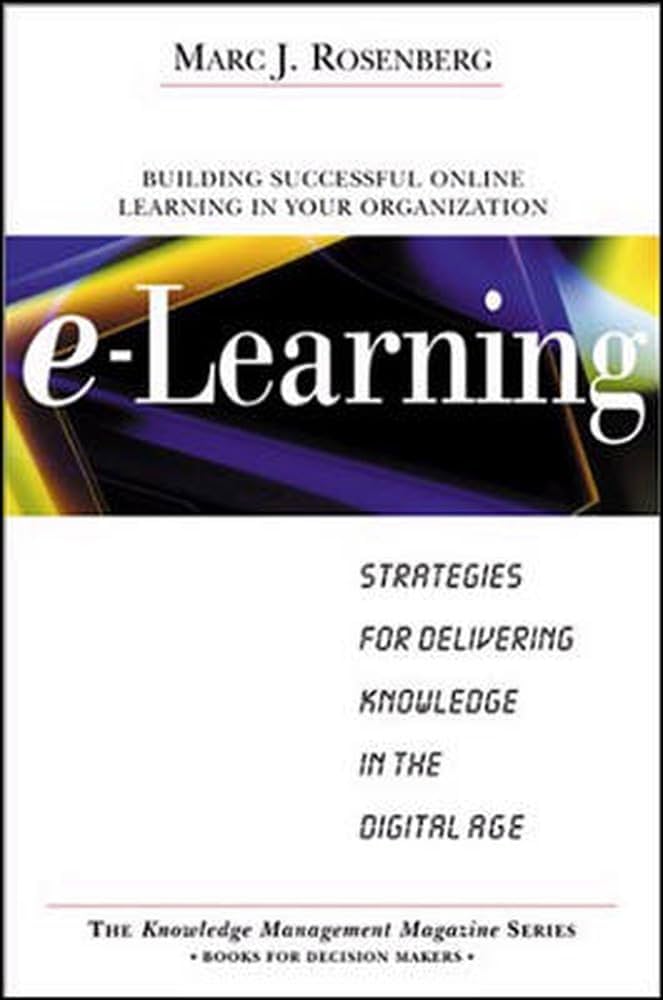
Digital E-Learning: How Technology Is Changing the Way We Learn
Learning is no longer limited to classrooms, lecture theatres or printed textbooks. Digital e-learning uses technology to deliver educational content and support learning online. It can take place on a computer, tablet or mobile phone, at home, at work or wherever an internet connection is available.
From short training courses to full qualifications, digital learning offers new ways for people to gain knowledge and skills. Its success, however, depends on more than simply putting materials online. Good e-learning combines clear teaching, useful technology and support for learners.
What is digital e-learning?
Digital e-learning is education or training delivered through digital tools. It may include live online lessons, recorded lectures, interactive activities, online reading materials, quizzes and discussion forums. Some courses are entirely online, while others combine digital resources with in-person teaching. This blended approach is often known as blended learning.
Courses can be self-paced, allowing learners to study when it suits them, or scheduled, with lessons and activities taking place at set times. Many programmes use both formats.
The benefits of e-learning
Greater flexibility
Online learning can make education easier to fit around work, family responsibilities and other commitments. Learners may be able to choose when and where they study, particularly when course materials are available on demand.
Access to a wide range of subjects
Digital platforms can connect learners with courses, tutors and resources beyond their local area. This can help people explore subjects that may not be available nearby or develop skills for a new role.
Learning at an individual pace
Recorded lessons and self-paced activities allow learners to revisit difficult topics or move through familiar material more quickly. Quizzes and progress checks can also help learners identify areas that need more attention.
Different ways to engage with content
Digital courses can combine text, audio, video, diagrams and interactive exercises. Using a variety of formats can make material more engaging and help explain complex ideas in different ways.
Challenges to consider
E-learning is not automatically suitable for everyone or every subject. Access to a reliable internet connection and an appropriate device can be a barrier. Learners may also need help developing digital skills or finding a quiet place to study.
Studying independently requires organisation and motivation. Without regular contact with a teacher or fellow learners, it can be easier to lose focus or feel isolated. Courses can address this by providing clear schedules, regular feedback, discussion opportunities and access to support.
Accessibility matters too. Materials should be designed so that people with different needs can use them. Captions, readable text, keyboard navigation and compatibility with assistive technologies can make online learning more inclusive.
What makes an effective digital course?
A successful course starts with clear learning goals. Learners should understand what they are expected to know or do by the end of each section. Content should be organised into manageable steps, with instructions that are easy to follow.
Interaction is also important. Short activities, practice tasks and knowledge checks give learners opportunities to apply what they have learnt. Constructive feedback can help them understand mistakes and improve, rather than simply telling them whether an answer is right or wrong.
Finally, learners need support. This might include access to a tutor, technical help, study guidance or a community where they can ask questions and share ideas.
Getting the most from e-learning
- Set a routine: Choose regular study times and add them to your calendar.
- Break work into smaller tasks: Short, focused sessions can make a large course feel more manageable.
- Take notes and practise: Active learning can help you understand and remember new information.
- Ask for help: Contact a tutor or course support team when you are unsure about content or technology.
- Review your progress: Check your goals regularly and adjust your study plan if needed.
The future of digital e-learning
Digital learning continues to develop as platforms and teaching methods change. Interactive simulations, virtual classrooms and adaptive learning tools can offer new ways to practise skills and receive guidance. These tools are most useful when they support sound teaching rather than distract from it.
Digital e-learning is not a replacement for every form of education. In many cases, the strongest approach combines online resources with human guidance, discussion and practical experience. When designed thoughtfully, it can make learning more flexible, accessible and relevant to people at different stages of life.
6 Tips for Effective Digital Learning
- Set clear learning goals before you begin.
- Choose a quiet space with a reliable internet connection.
- Break lessons into short, focused sessions.
- Take notes and review them regularly.
- Join discussions to learn from others.
- Test your knowledge with quizzes and practice tasks.
Set clear learning goals before you begin.
Before starting a digital e-learning course, set clear learning goals so you know what you want to achieve. A specific target—such as completing a module each week or mastering a particular skill—can help you stay focused and motivated. Break larger goals into smaller steps, and check your progress regularly so you can adjust your study plan when needed.
Choose a quiet space with a reliable internet connection.
Choose a quiet, comfortable space with a reliable internet connection before you begin studying. A calm environment can help you concentrate, while a stable connection reduces interruptions during online lessons, video calls and assessments. If possible, keep your study materials close at hand and let others know when you need time to focus.
Break lessons into short, focused sessions.
Breaking lessons into short, focused sessions can make digital e-learning easier to manage and help you stay engaged. Instead of trying to study for hours at a time, set aside a brief period to concentrate on one topic or task, then take a short break. This approach can reduce mental fatigue, make it easier to fit learning around your day and give you a clear sense of progress as you work through the course.
Take notes and review them regularly.
Taking notes during digital e-learning helps you stay focused and capture the main ideas from lessons, videos and reading materials. Use your own words, organise points under clear headings and note any questions you would like to revisit. Reviewing your notes regularly—rather than waiting until an assessment is near—can strengthen your understanding, help you remember key information and make it easier to spot topics that need more practice.
Join discussions to learn from others.
Joining discussions is a valuable part of digital e-learning. By sharing ideas, asking questions and listening to other learners’ perspectives, you can deepen your understanding and discover ways of thinking you may not have considered. Take part in forums, group chats or online lessons, and remember that respectful, thoughtful contributions can help everyone learn.
Test your knowledge with quizzes and practice tasks.
Test your knowledge with quizzes and practice tasks to check what you’ve understood and identify areas that need more attention. These activities help you apply new ideas, rather than simply reading or watching passively. If you get an answer wrong, review the relevant material and try again—learning from mistakes is an important part of making progress.
Author

manually@ipower.eu
Related Posts

Today Technology News in English: The Latest Innovations and Digital Trends
Today’s Technology News in English: Key Trends to Follow Editorial note: This article provides an overview of major technology topics, rather than...
Read out all
Business Articles About Technology: Trends, Tools and Insights for Modern Organisations
Business Articles About Technology: A Guide to Writing Content That Matters Technology is changing how businesses operate, compete and serve their customers....
Read out all
Current Computer Technology: Key Trends Shaping the Future of Computing
Current Computer Technology: The Trends Shaping Modern Computing Computer technology is evolving beyond faster processors and larger storage drives. Today’s systems combine...
Read out allLatest IT News and Technology: Key Trends Shaping the Digital World
Latest IT News and Technology: The Trends Shaping the Digital World Artificial intelligence, cyber security and cloud computing remain central to the...
Read out all
The Latest News of Technology: Key Trends Shaping the Future
Technology News: AI, Smarter Devices and the Push for a Safer Digital World Editorial note: Live news sources have not been checked...
Read out all
Who Is Technology? Understanding the Tools and Ideas Shaping Our Lives
What Is Technology? Technology is not a person; it is the use of knowledge, tools and techniques to solve problems and make...
Read out all