
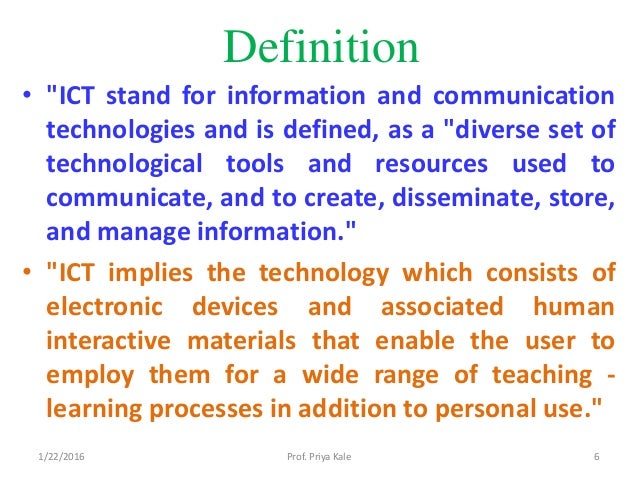
What Is Basic Technology?
Basic technology is the everyday tools, devices and systems people use to solve problems, complete tasks and communicate. It includes both simple physical tools and modern digital equipment. A pencil, a bicycle, a telephone and a computer are all examples of technology, even though they differ greatly in complexity.
A simple definition
Technology is the practical use of knowledge to create tools, methods or systems that meet human needs. Basic technology refers to the foundational and commonly used examples of this idea. It may involve operating a household appliance, using a mobile phone, accessing the internet or working with a computer programme.
Technology does not have to be electronic. A wheelbarrow helps move heavy materials, while a water filter makes water safer to drink. Both use design and knowledge to make a task easier or more effective.
Examples of basic technology
- Communication: telephones, email and messaging apps help people exchange information.
- Computing: computers, tablets and software help people create, store and process information.
- Household equipment: fridges, washing machines and microwaves make everyday tasks more manageable.
- Transport: bicycles, cars, trains and navigation systems help people travel.
- Tools and machinery: hammers, drills and agricultural equipment help people build, repair and produce goods.
- Online services: websites and digital platforms support activities such as shopping, learning and banking.
Why is basic technology important?
Technology can save time, reduce physical effort and make information easier to access. For example, a washing machine can complete a task that would otherwise take considerable time by hand. A video call can help people stay in touch across long distances, while online learning resources can make educational material available to more people.
Technology also supports workplaces and public services. Businesses use digital systems to organise information and communicate with customers. Hospitals use specialised equipment to examine and treat patients. In each case, technology is useful because it helps people carry out tasks or address particular needs.
Basic digital technology skills
Today, the phrase “basic technology” often refers to everyday digital skills. These may include:
- using a computer, tablet or smartphone;
- connecting to the internet and finding information online;
- sending emails and using messaging tools;
- creating and saving documents;
- recognising suspicious links and protecting personal information; and
- using online services safely and responsibly.
These skills can help people take part in education, work and everyday life. They are not limited to knowing which buttons to press. Being digitally confident also means judging whether online information is trustworthy, choosing strong passwords and understanding what information is appropriate to share.
Technology and society
Technology can bring many benefits, but it can also create challenges. People may have concerns about privacy, online safety, screen time, accessibility or the effect of automation on jobs. Some people may also lack reliable internet access or suitable devices. Understanding how technology works—and where its limitations lie—helps people make informed choices about using it.
In summary
Basic technology is the collection of practical tools and systems that help people meet everyday needs. It ranges from simple hand tools to digital devices and online services. Learning to use technology safely and effectively can make daily tasks easier, improve access to information and help people participate in an increasingly connected world.
Understanding Basic Technology: 8 Tips for Clear and Simple Definitions
- Use plain, everyday language.
- Explain what the technology does.
- Give a familiar example.
- Describe who uses it.
- Mention the problem it solves.
- Avoid unexplained technical terms.
- Keep the definition brief and clear.
- Focus on its basic purpose, not every feature.
Use plain, everyday language.
When defining basic technology, use plain, everyday language so the explanation is easy for everyone to understand. Describe it as the tools and devices people use to make tasks easier, solve problems or share information. Simple examples, such as a mobile phone, a computer or a washing machine, can help make the idea clearer without relying on technical terms.
Explain what the technology does.
When defining basic technology, explain what it does and how it helps people. Describe its main purpose in clear, everyday language—for example, a mobile phone lets people communicate over distance, while a washing machine cleans clothes with less manual effort. Focusing on the task technology performs makes the definition easier to understand and shows why it is useful.
Give a familiar example.
A familiar example of basic technology is a mobile phone. It lets people make calls, send messages and access information online, using electronic tools to make everyday communication quicker and easier.
Describe who uses it.
Basic technology is used by people of all ages and backgrounds in everyday life, at home, school and work. Children and students use devices and learning platforms to study, while adults rely on phones, computers and household appliances to communicate, complete tasks and access services. Workers across many industries use basic tools and digital systems, and communities use technology to share information and stay connected. The specific tools may vary, but basic technology helps people meet practical needs and make daily activities easier.
Mention the problem it solves.
Basic technology helps solve everyday problems by making tasks simpler, quicker or more reliable. For example, a telephone solves the problem of communicating over long distances, while a washing machine reduces the time and effort needed to clean clothes. Defining a technology by the problem it addresses makes its purpose clearer and shows how it can be useful in daily life.
Avoid unexplained technical terms.
When defining basic technology, use clear, familiar language and explain any technical terms that may be new to your readers. For example, instead of saying “a device processes data through an interface”, explain that it “uses a screen or controls to work with information”. Simple wording makes the definition easier to understand for people with different levels of knowledge.
Keep the definition brief and clear.
When defining basic technology, keep the explanation brief and clear: describe it as the everyday tools, devices and systems people use to solve problems and make tasks easier. A simple definition helps readers understand the idea straight away without getting lost in technical detail.
Focus on its basic purpose, not every feature.
When defining basic technology, focus on its main purpose: what it helps people do or what problem it solves. You do not need to list every feature or technical detail. For example, a mobile phone is technology because it enables people to communicate over distance; its camera, apps and other functions are additional features. A clear, simple explanation of the purpose makes the definition easier to understand.
Author

manually@ipower.eu
Related Posts
Updates of New Technology: The Latest Innovations Shaping Our Future
Latest Updates in New Technology The world of technology is ever-evolving, with breakthroughs and innovations emerging at a rapid pace. From artificial...
Read out all
Advancement in Technology Articles: Innovations Shaping Our Future
The Evolution of Technology: A Glimpse into the Future In today’s rapidly changing world, technology is advancing at an unprecedented pace. From...
Read out all
Top Technology News Today: The Latest Innovations and Trends
Top Technology News Today Top Technology News Today In the rapidly evolving world of technology, staying informed about the latest developments is...
Read out all
Modern Technology Articles: Innovations Shaping Our Everyday Lives
The Evolution and Impact of Modern Technology Articles In today’s fast-paced digital age, modern technology articles have become a cornerstone for disseminating...
Read out all
English Article About Technology: How Innovation Is Shaping Our Future
The Impact of Technology on Modern Society In the 21st century, technology has become an integral part of everyday life, influencing the...
Read out all
Future Technology News Articles: Innovations Shaping Tomorrow
The Future of Technology News: What to Expect As we stand on the brink of a technological revolution, the landscape of technology...
Read out all