
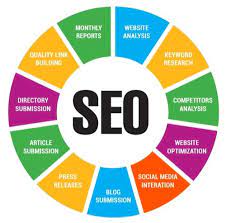
The Importance of SEO in Digital Marketing
Search Engine Optimization (SEO) is a fundamental aspect of digital marketing that plays a crucial role in enhancing the visibility and ranking of websites on search engine results pages (SERPs). In today’s highly competitive online landscape, understanding and implementing effective SEO strategies can make a significant difference in attracting organic traffic, generating leads, and boosting conversions.
What is SEO?
SEO encompasses a range of techniques and practices aimed at improving a website’s relevance and authority in the eyes of search engines such as Google, Bing, and Yahoo. By optimising various elements of a website – including content, meta tags, images, and backlinks – SEO helps search engines better understand the site’s purpose and value to users.
The Role of SEO in Digital Marketing
SEO is essential for digital marketing success for several reasons:
- Increased Visibility: By optimising your website for relevant keywords and phrases, you can improve its ranking on SERPs, making it more likely to appear at the top of search results when users query related terms.
- Enhanced User Experience: SEO involves creating user-friendly websites with high-quality content that meets the needs of visitors. This not only improves engagement but also encourages repeat visits and referrals.
- Cost-Effective Marketing: Compared to traditional advertising methods, SEO offers a cost-effective way to attract targeted traffic to your site. By focusing on organic search results, businesses can reduce their reliance on paid advertising while still reaching potential customers.
- Data-Driven Insights: Through tools like Google Analytics and Search Console, businesses can gain valuable insights into user behaviour, keyword performance, and other metrics that inform their SEO strategies. This data-driven approach allows for continuous improvement and optimisation over time.
Key Elements of SEO
Effective SEO involves various key elements, including:
- Keyword Research: Identifying relevant keywords with high search volume and low competition to target in your content.
- On-Page Optimization: Optimising meta tags, headings, URLs, and image alt text to make your pages more accessible to search engines.
- Content Creation: Producing high-quality, informative content that addresses user queries and provides value.
- Link Building: Acquiring backlinks from reputable websites to improve your site’s authority and credibility.
In Conclusion
In conclusion, SEO is an indispensable component of digital marketing that drives organic traffic, enhances user experience, and delivers measurable results. By investing time and resources into developing a robust SEO strategy tailored to your business goals, you can position your website for success in the competitive online marketplace.
8 Essential Tips for Understanding SEO in Digital Marketing
- SEO stands for Search Engine Optimisation, which improves a website’s visibility on search engines.
- Keywords are crucial; they should be relevant and naturally integrated into content.
- On-page SEO involves optimising individual web pages, including titles, headings, and meta descriptions.
- Off-page SEO focuses on building backlinks from reputable sites to improve authority.
- Technical SEO ensures that a website is accessible and indexable by search engines through proper site structure.
- Content is king; high-quality, engaging content attracts visitors and encourages sharing.
- Mobile optimisation is essential as more users access the internet via smartphones.
- Regularly updating content keeps it fresh and relevant, enhancing search engine rankings.
SEO stands for Search Engine Optimisation, which improves a website’s visibility on search engines.
SEO, short for Search Engine Optimisation, is a strategic approach in digital marketing that focuses on enhancing a website’s visibility and ranking on search engines. By implementing SEO techniques such as keyword optimisation, content creation, and link building, businesses can improve their online presence and attract more organic traffic. Ultimately, SEO plays a vital role in helping websites connect with their target audience and increase their chances of being discovered by users searching for relevant information or products/services.
Keywords are crucial; they should be relevant and naturally integrated into content.
In the realm of SEO in digital marketing, the importance of keywords cannot be overstated. They serve as the foundation upon which a website’s visibility and ranking are built. It is essential that keywords are not only relevant to the content but also seamlessly integrated in a natural and organic manner. By strategically incorporating keywords into the content, businesses can effectively communicate their message to both users and search engines, ultimately improving their chances of reaching their target audience and driving valuable organic traffic to their site.
On-page SEO involves optimising individual web pages, including titles, headings, and meta descriptions.
On-page SEO is a crucial aspect of digital marketing that focuses on enhancing the visibility and relevance of individual web pages. By optimising elements such as titles, headings, and meta descriptions, businesses can improve their chances of ranking higher on search engine results pages (SERPs). These on-page optimisation techniques not only make it easier for search engines to understand the content and purpose of each page but also enhance the overall user experience by providing clear and concise information to visitors. Incorporating on-page SEO best practices into your digital marketing strategy can have a significant impact on driving organic traffic and improving your website’s performance in search results.
Off-page SEO focuses on building backlinks from reputable sites to improve authority.
Off-page SEO is a crucial aspect of digital marketing that revolves around the strategic acquisition of backlinks from reputable websites. By establishing these valuable connections, a website can enhance its authority and credibility in the eyes of search engines. Building a strong backlink profile through off-page SEO efforts not only improves a site’s visibility and ranking on search engine results pages but also contributes to long-term success in attracting organic traffic and engaging with a wider audience.
Technical SEO ensures that a website is accessible and indexable by search engines through proper site structure.
Technical SEO plays a crucial role in ensuring that a website is easily accessible and indexable by search engines. By focusing on aspects such as site structure, URL optimization, mobile responsiveness, page speed, and schema markup, technical SEO helps search engine crawlers navigate and understand the content on a website more effectively. This ensures that the site is well-positioned to rank higher in search engine results pages (SERPs) and attract organic traffic from users seeking relevant information or products.
Content is king; high-quality, engaging content attracts visitors and encourages sharing.
In the realm of SEO in digital marketing, the adage “Content is king” reigns supreme. High-quality, engaging content serves as a magnet for visitors, drawing them in with valuable information and captivating storytelling. Not only does compelling content keep users on your site longer, but it also encourages sharing across social media platforms and other websites, amplifying your reach and boosting your site’s authority in the eyes of search engines. Remember, in the world of SEO, content truly rules as the key to unlocking success and visibility online.
Mobile optimisation is essential as more users access the internet via smartphones.
In the realm of digital marketing, mobile optimisation is a critical factor in SEO strategies due to the increasing number of users accessing the internet through smartphones. With the surge in mobile device usage for browsing and online activities, ensuring that websites are optimised for mobile responsiveness is paramount. By prioritising mobile-friendly design and functionality, businesses can enhance user experience, improve search engine rankings, and ultimately reach a wider audience of mobile users seeking information, products, or services online.
Regularly updating content keeps it fresh and relevant, enhancing search engine rankings.
Regularly updating content is a key strategy in Search Engine Optimization (SEO) for digital marketing. By keeping content fresh and relevant, websites signal to search engines that they are active and valuable resources for users. This practice not only attracts search engine crawlers to index the site more frequently but also improves the site’s visibility and ranking on search engine results pages. Consistently updating content ensures that it remains current, engaging, and aligned with user intent, ultimately contributing to higher search engine rankings and increased organic traffic.
Author

manually@ipower.eu
Related Posts

Unleashing the Power of SEO Expertise in Marketing Strategies
The Role of an SEO Expert in Marketing The Role of an SEO Expert in Marketing In today’s digital landscape, the role...
Read out all
- company services
- digital agency
- digital marketing
- digital marketing agency
- digital marketing company
- digital seo
- internet
- internet marketing
- internet marketing agency
- internet marketing company
- internet marketing services
- local
- local seo
- local seo company
- local seo services
- localsearch
- marketing
- marketing agency
- marketing companies
- seo
- seo agency
- seo companies
- seo company
- seo firm
- seo marketing services
- seo services
- service marketing
- services
- strategies
Unlocking Success Locally: The Role of a Local Search Marketing Agency
Local Search Marketing Agency: Boost Your Business Locally The Power of Local Search Marketing Agencies In today’s digital age, having a strong...
Read out all
- company experts
- digital marketers
- digital marketing
- digital marketing companies
- digital marketing seo
- digital marketing specialist
- digital strategy
- expert company
- marketing
- marketing jobs
- search marketing expert
- seo
- seo companies
- seo company
- seo expert
- seo specialist
- service expert
- specialist seo
- strategy expert
Unleashing the Power of a Digital Marketing SEO Specialist
The Role of a Digital Marketing SEO Specialist The Role of a Digital Marketing SEO Specialist In the fast-paced world of digital...
Read out allUnlocking Success: The Essential Role of an SEO Content Creation Agency
The Power of SEO Content Creation Agencies The Power of SEO Content Creation Agencies In the digital age, where online visibility can...
Read out all
- company services
- digital agency
- digital marketer
- digital marketing
- digital marketing agency
- digital marketing companies
- digital marketing company
- digital marketing seo
- digital seo
- digital strategy
- local
- local business marketing
- local digital agency
- local online marketing
- local seo
- local seo company
- local seo services
- marketing
- marketing agency
- marketing companies
- online agency
- online marketing
- online marketing agency
- online marketing companies
- online marketing company
- online marketing firm
- seo
- seo agency
- seo companies
- seo company
- seo firm
- seo services
- service marketing
- strategies
- strategy digital
Unlocking Success: How a Local SEO Online Marketing Company Can Transform Your Business
The Power of Local SEO: How an Online Marketing Company Can Boost Your Business In today’s digital age, having a strong online...
Read out all
- company services
- internet
- internet marketing
- internet marketing agency
- internet marketing company
- internet marketing firm
- internet marketing services
- local
- local seo
- local seo company
- local seo services
- localsearch
- marketing
- marketing agency
- marketing companies
- search marketing
- seo
- seo agency
- seo companies
- seo company
- seo firm
- seo marketing services
- seo services
- service marketing
- services
- strategies
Unlocking Success: The Role of Your Local Search Marketing Company in Boosting Visibility
The Power of Local Search Marketing Companies: Boost Your Business’s Visibility In today’s digital age, having a strong online presence is crucial...
Read out all