
Exploring Levels of Education
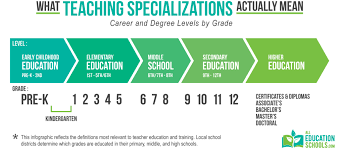
Educational systems around the world are structured into different levels, each serving a specific purpose in shaping individuals’ knowledge and skills. From early childhood education to higher education, these levels play a crucial role in personal development and societal progress.
Early Childhood Education
Early childhood education focuses on the formative years of a child’s life, typically from birth to around eight years old. This stage lays the foundation for future learning by fostering social, emotional, cognitive, and physical development.
Primary Education
Primary education is the first formal stage of schooling and usually covers children from around five to eleven years old. It aims to provide basic literacy, numeracy skills, and an introduction to various subjects.
Secondary Education
Secondary education follows primary education and typically includes middle school and high school levels. Students aged between 11 to 18 years old engage in more specialised subjects and prepare for further education or entry into the workforce.
Tertiary Education
Tertiary education encompasses post-secondary institutions such as universities, colleges, and vocational schools. It offers degree programmes, professional certifications, and advanced training in specific fields to equip individuals for their chosen careers.
Higher Education
Higher education refers to advanced academic pursuits beyond tertiary education, including postgraduate studies such as master’s degrees and doctoral programmes. It focuses on research, innovation, and specialised knowledge in various disciplines.
Conclusion
The diverse levels of education form a comprehensive framework that guides individuals through different stages of learning and personal growth. Each level contributes uniquely to shaping well-rounded individuals who are equipped with the knowledge and skills needed to thrive in an ever-evolving world.
The Benefits of Progressive Educational Levels: A Pathway to Knowledge, Skills, and Personal Growth
- Levels of education provide a structured pathway for individuals to acquire knowledge and skills progressively.
- Education at different levels caters to diverse learning styles and interests, allowing students to explore various subjects.
- Each level of education offers opportunities for personal growth, critical thinking, and problem-solving skills development.
- Higher levels of education, such as tertiary and higher education, open doors to advanced career prospects and specialisations.
- Education at all levels fosters social interaction, teamwork, and communication skills essential for personal and professional success.
- The diverse levels of education contribute to building a knowledgeable society that values continuous learning and intellectual advancement.
Challenges in Education: Financial Burdens, Systemic Rigidity, Academic Pressure, and Resource Limitations
- Education can be costly, especially at higher levels, leading to financial burden for individuals and families.
- Rigid educational systems may not cater to the diverse learning styles and needs of all students, potentially leaving some behind.
- Pressure to excel academically at different levels of education can contribute to stress, anxiety, and mental health issues among students.
- Inadequate resources and facilities in certain educational institutions can hinder the quality of education provided at various levels.
Levels of education provide a structured pathway for individuals to acquire knowledge and skills progressively.
Levels of education offer a structured pathway for individuals to systematically acquire knowledge and skills in a progressive manner. Starting from early childhood education and moving through primary, secondary, tertiary, and higher education levels, this framework ensures that learners build upon their understanding step by step. By following this structured progression, individuals not only gain a deeper insight into various subjects but also develop critical thinking, problem-solving abilities, and practical skills that are essential for personal growth and success in their chosen fields.
Education at different levels caters to diverse learning styles and interests, allowing students to explore various subjects.
Education at different levels caters to diverse learning styles and interests, allowing students to explore various subjects. From hands-on activities in early childhood education to specialised subjects in tertiary education, the varied levels of the education system provide opportunities for individuals to discover their passions and strengths. This flexibility not only fosters a deeper understanding of different fields but also encourages students to pursue paths that align with their interests, ultimately leading to a more fulfilling educational experience and personal growth.
Each level of education offers opportunities for personal growth, critical thinking, and problem-solving skills development.
At every stage of education, individuals are presented with opportunities for personal growth, honing critical thinking abilities, and enhancing problem-solving skills. From early childhood education to higher education, each level offers a unique platform for learners to expand their horizons, challenge their perspectives, and develop the essential cognitive tools needed to navigate the complexities of the modern world. By fostering these skills across different educational levels, individuals are empowered to adapt, innovate, and contribute meaningfully to society.
Higher levels of education, such as tertiary and higher education, open doors to advanced career prospects and specialisations.
Higher levels of education, including tertiary and higher education, serve as gateways to enhanced career opportunities and specialised expertise. By pursuing advanced academic programmes and professional certifications, individuals can unlock doors to lucrative career prospects and delve deeper into specific fields of interest. The knowledge and skills acquired at these levels not only broaden one’s horizons but also equip them with the tools necessary to excel in their chosen professions, contributing to personal growth and professional success.
Education at all levels fosters social interaction, teamwork, and communication skills essential for personal and professional success.
Education at all levels plays a vital role in fostering social interaction, teamwork, and communication skills that are crucial for both personal development and professional success. From early childhood education to higher education, students engage in collaborative activities, group projects, and discussions that enhance their ability to work effectively with others. These experiences not only build strong interpersonal relationships but also equip individuals with the communication skills necessary to express ideas clearly, listen actively, and resolve conflicts constructively. By nurturing these essential skills throughout the different levels of education, individuals are better prepared to navigate diverse social settings and thrive in their future careers.
The diverse levels of education contribute to building a knowledgeable society that values continuous learning and intellectual advancement.
The diverse levels of education play a vital role in cultivating a knowledgeable society that places a high value on lifelong learning and intellectual progress. From early childhood education to higher academic pursuits, each level instils a sense of curiosity, critical thinking, and a thirst for knowledge in individuals. By embracing and advancing through these educational stages, society as a whole benefits from a population that is not only well-informed but also eager to engage in continuous learning, contributing to the overall intellectual enrichment and advancement of communities.
Education can be costly, especially at higher levels, leading to financial burden for individuals and families.
One significant drawback of the various levels of education is the financial burden they can impose, particularly at higher levels. Pursuing tertiary and higher education often comes with substantial costs, including tuition fees, accommodation expenses, and study materials. This financial strain can create barriers to access for individuals from lower-income backgrounds and may lead to increased debt for students and their families. The high cost of education can limit opportunities for many aspiring learners, highlighting the need for more affordable and accessible educational pathways.
Rigid educational systems may not cater to the diverse learning styles and needs of all students, potentially leaving some behind.
In the realm of education, one significant drawback of rigid educational systems is their limited ability to accommodate the diverse learning styles and individual needs of all students. By adhering strictly to standardized curricula and teaching methods, these systems run the risk of overlooking the unique strengths and challenges of each learner. This rigidity may result in certain students feeling left behind or struggling to engage with the material effectively. Embracing flexibility and personalised approaches to education could be key in ensuring that every student has the opportunity to thrive and reach their full potential.
Pressure to excel academically at different levels of education can contribute to stress, anxiety, and mental health issues among students.
The pressure to excel academically at various levels of education can have detrimental effects on students’ mental well-being. The expectation to perform exceptionally well can lead to increased stress, anxiety, and mental health issues among students. The constant pursuit of academic success may create a high-pressure environment that challenges students’ emotional resilience and overall mental health. It is crucial for educational institutions and society as a whole to recognise the negative impact of this pressure and provide adequate support systems to help students manage their academic expectations while prioritising their mental well-being.
Inadequate resources and facilities in certain educational institutions can hinder the quality of education provided at various levels.
Inadequate resources and facilities in certain educational institutions present a significant challenge that can impede the quality of education offered across different levels. Insufficient funding for essential materials, outdated infrastructure, and limited access to technology can hinder students’ learning experiences and restrict educators’ ability to deliver comprehensive instruction. This disparity in resources not only affects academic outcomes but also exacerbates inequalities in educational opportunities, highlighting the critical need for equitable distribution of resources to ensure that all learners have access to high-quality education regardless of their background or location.
Author

manually@ipower.eu
Related Posts

International Tech News: The Latest Innovations Shaping Our World
International Tech News: A Global Perspective on Innovation The world of technology is ever-evolving, with breakthroughs and innovations emerging from every corner...
Read out all
IT Technology News Articles: The Latest Trends, Updates and Insights
IT Technology News Articles: What to Read and Why They Matter Information technology is constantly changing. New software, devices, security threats and...
Read out all
New Technology in the World Today: Innovations Shaping Our Future
Exploring New Technology in the World Today In today’s rapidly evolving world, technology continues to reshape our lives in ways previously unimaginable....
Read out all
Business and Technology News Articles: Key Trends Shaping the Future
The Intersection of Business and Technology: A Modern Renaissance In today’s fast-paced world, the synergy between business and technology is transforming industries...
Read out all
World Technology News Today: Key Developments Shaping Our Future
World Technology News Today World Technology News Today: Innovations and Developments In the rapidly evolving world of technology, today’s headlines are filled...
Read out all
What Do You Mean by Technology? A Simple Guide to Its Meaning and Everyday Uses
What Do You Mean by Technology? Technology is the use of knowledge, tools and techniques to solve problems or make tasks easier....
Read out all