
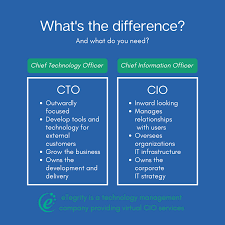
The Role of a Chief Technology Officer (CTO)
In today’s fast-paced technological landscape, the role of a Chief Technology Officer (CTO) has become increasingly vital for companies looking to stay ahead of the curve and drive innovation. The CTO is a key executive responsible for overseeing the technological strategies and developments within an organisation.
Key Responsibilities of a CTO
**Strategic Planning:** The CTO plays a crucial role in developing and implementing technology strategies that align with the company’s overall goals and objectives. They are responsible for identifying new opportunities for technological advancements that can give the company a competitive edge.
**Technology Innovation:** A CTO is at the forefront of driving innovation within the organisation. They are tasked with researching emerging technologies, evaluating their potential impact, and implementing them to enhance business operations.
**Team Leadership:** The CTO leads a team of talented professionals, including software developers, engineers, and IT specialists. They provide guidance, mentorship, and support to ensure that the team is equipped to deliver on strategic objectives.
Qualifications and Skills
To excel as a Chief Technology Officer, individuals typically possess a strong background in technology coupled with excellent leadership and communication skills. Some common qualifications include:
- **Technical Expertise:** A deep understanding of current technologies and trends is essential for a CTO to make informed decisions.
- **Business Acumen:** The ability to align technology initiatives with business goals is crucial for driving growth and profitability.
- **Leadership Skills:** Strong leadership qualities are necessary to inspire teams and foster innovation within the organisation.
- **Problem-Solving Abilities:** CTOs must be adept at identifying challenges and devising effective solutions to overcome them.
- **Communication Skills:** Effective communication is key in articulating complex technical concepts to non-technical stakeholders.
The Future of CTOs
As technology continues to evolve at a rapid pace, the role of Chief Technology Officer will only grow in importance. CTOs will be instrumental in driving digital transformation, harnessing data analytics, and leveraging artificial intelligence to drive business success.
The Key Advantages of a Chief Technology Officer: Leading Innovation and Strategic Alignment
- Strategic leadership in technology initiatives.
- Driving innovation and technological advancements.
- Aligning technology strategies with business goals.
- Leading and mentoring a team of skilled professionals.
- Making informed decisions based on technical expertise.
- Fostering a culture of creativity and problem-solving.
- Playing a key role in digital transformation and AI integration.
Challenges Faced by Chief Technology Officers: Navigating Responsibility, Innovation, and Balance
- High level of responsibility and pressure to drive technological innovation
- Need to stay abreast of rapidly evolving technologies and trends
- Balancing technical expertise with strategic business goals can be challenging
- Managing a diverse team of technology professionals requires strong leadership skills
- Risk of technology investments not yielding expected returns
- Potential for conflicts between IT department and other business units
- Difficulty in maintaining work-life balance due to demanding nature of the role
Strategic leadership in technology initiatives.
One of the key advantages of having a Chief Technology Officer (CTO) is their strategic leadership in technology initiatives. The CTO plays a pivotal role in shaping and executing the technological direction of an organisation, aligning it with the overall business strategy. By providing vision and guidance, the CTO ensures that technology investments and innovations are in line with the company’s goals, driving growth and competitive advantage. Their ability to anticipate industry trends, assess risks, and make informed decisions empowers the organisation to stay ahead in a constantly evolving technological landscape.
Driving innovation and technological advancements.
One of the key advantages of having a Chief Technology Officer (CTO) in an organisation is their ability to drive innovation and spearhead technological advancements. The CTO plays a pivotal role in researching emerging technologies, identifying opportunities for innovation, and implementing cutting-edge solutions that can enhance efficiency, productivity, and competitiveness. By leading the charge in technological development, the CTO not only keeps the company ahead of the curve but also fosters a culture of creativity and forward-thinking that propels the organisation towards sustained growth and success in today’s dynamic business landscape.
Aligning technology strategies with business goals.
One of the key advantages of having a Chief Technology Officer (CTO) is their ability to align technology strategies with business goals. By understanding the company’s overarching objectives and vision, the CTO can develop and implement technology initiatives that directly support and enhance these goals. This alignment ensures that technological investments are purposeful and contribute to the overall success and growth of the organisation. The CTO’s strategic approach helps drive innovation, efficiency, and competitive advantage, making them a crucial asset in navigating the ever-evolving technological landscape while keeping the business on a path towards sustainable success.
Leading and mentoring a team of skilled professionals.
One of the key advantages of a Chief Technology Officer (CTO) is their ability to lead and mentor a team of skilled professionals. By providing guidance, support, and mentorship, the CTO empowers their team to excel in their roles and drive innovation within the organisation. Through effective leadership, the CTO fosters a collaborative environment where team members can leverage their expertise and creativity to achieve strategic objectives and overcome technological challenges. This proactive approach not only enhances team performance but also cultivates a culture of continuous learning and professional growth among the workforce.
Making informed decisions based on technical expertise.
One of the key advantages of having a Chief Technology Officer (CTO) in an organisation is their ability to make informed decisions based on their deep technical expertise. The CTO’s in-depth understanding of current technologies and trends allows them to assess complex technical issues, evaluate potential solutions, and ultimately make strategic decisions that align with the company’s goals and objectives. This proficiency in leveraging technical knowledge not only ensures that the organisation adopts the most effective and efficient technological solutions but also enables them to stay ahead of the curve in an ever-evolving digital landscape.
Fostering a culture of creativity and problem-solving.
Fostering a culture of creativity and problem-solving is a key pro of having a Chief Technology Officer (CTO) in an organisation. The CTO plays a crucial role in inspiring innovation and encouraging employees to think outside the box when it comes to technological solutions. By promoting a culture that values creativity and problem-solving, the CTO empowers teams to tackle challenges with fresh perspectives and innovative approaches. This not only drives continuous improvement within the company but also cultivates a dynamic work environment where ideas flourish and solutions are found efficiently.
Playing a key role in digital transformation and AI integration.
A Chief Technology Officer (CTO) plays a pivotal role in steering an organisation through the complexities of digital transformation and AI integration. As businesses increasingly rely on technology to enhance operations and customer experiences, the CTO is responsible for identifying and implementing cutting-edge digital solutions that align with strategic objectives. By leveraging AI, the CTO can drive efficiencies, improve decision-making processes, and create innovative products and services that set the company apart from competitors. Their expertise ensures that AI technologies are seamlessly integrated into existing systems, fostering a culture of continuous improvement and adaptability. This proactive approach not only enhances operational capabilities but also positions the organisation as a leader in its industry, ready to meet the demands of an ever-evolving digital landscape.
High level of responsibility and pressure to drive technological innovation
One notable con of being a Chief Technology Officer is the high level of responsibility and pressure associated with driving technological innovation within an organisation. The expectation to constantly stay ahead of the curve, identify emerging technologies, and lead the implementation of innovative solutions can create a significant amount of stress for CTOs. The need to balance strategic planning with operational demands while ensuring that technology initiatives align with business objectives adds to the already intense pressure faced by these executives. This relentless pursuit of innovation can sometimes lead to burnout and challenges in maintaining a healthy work-life balance for Chief Technology Officers.
Need to stay abreast of rapidly evolving technologies and trends
One significant challenge faced by Chief Technology Officers (CTOs) is the constant need to stay abreast of rapidly evolving technologies and trends. In today’s dynamic technological landscape, innovations emerge at a swift pace, making it essential for CTOs to continuously update their knowledge and skills to remain relevant and effective in their roles. Keeping up with the latest advancements requires dedication, time, and resources, as well as the ability to discern which technologies are worth investing in for the long-term benefit of the organisation. Failure to stay informed can result in missed opportunities and hinder the CTO’s ability to drive innovation within the company.
Balancing technical expertise with strategic business goals can be challenging
Balancing technical expertise with strategic business goals can be challenging for a Chief Technology Officer (CTO). While it is crucial for a CTO to have a deep understanding of current technologies and trends to drive innovation, they must also align these technical initiatives with the broader business objectives of the company. Striking the right balance between staying at the forefront of technological advancements and ensuring that these advancements contribute effectively to the overall success of the organisation requires finesse and strategic thinking. This con highlights the delicate tightrope that CTOs must walk in order to steer their companies towards sustainable growth and competitive advantage.
Managing a diverse team of technology professionals requires strong leadership skills
Managing a diverse team of technology professionals as a Chief Technology Officer can present a significant challenge due to the varied skill sets, backgrounds, and perspectives within the team. This con underscores the necessity for strong leadership skills in order to effectively guide and unite individuals towards common technological goals. A CTO must possess the ability to inspire, communicate effectively, and foster collaboration among team members with different expertise and working styles. Balancing these diverse elements while steering the team towards innovation and success demands exceptional leadership qualities that can navigate through potential conflicts and harness the collective talents of the team towards achieving strategic objectives.
Risk of technology investments not yielding expected returns
One significant con that Chief Technology Officers (CTOs) face is the risk of technology investments not yielding the expected returns. Despite careful planning and strategic decision-making, there is always a level of uncertainty surrounding the outcomes of large-scale technology initiatives. Factors such as rapidly evolving technologies, market shifts, and unforeseen challenges can lead to investments falling short of expectations. This con highlights the need for CTOs to continuously assess and adapt their technology strategies to mitigate risks and maximise the potential for successful returns on investments.
Potential for conflicts between IT department and other business units
In the realm of Chief Technology Officers, a notable con lies in the potential for conflicts between the IT department and other business units within an organisation. These conflicts may arise due to differing priorities, communication gaps, or conflicting objectives. The challenge for CTOs is to navigate these tensions effectively, fostering collaboration and alignment across departments to ensure that technology initiatives support overall business goals harmoniously. Failure to address and mitigate these conflicts can impede progress, hinder innovation, and ultimately impact the organisation’s ability to leverage technology for strategic advantage.
Difficulty in maintaining work-life balance due to demanding nature of the role
Achieving a work-life balance can be a significant challenge for Chief Technology Officers (CTOs) due to the demanding and high-pressure nature of the role. The responsibilities and expectations placed on CTOs often require long hours, quick decision-making, and constant availability, which can encroach upon personal time and well-being. Balancing the demands of driving technological innovation within the organisation while also prioritising personal health and relationships can be a delicate juggling act for CTOs striving to excel in their professional roles without sacrificing their quality of life outside of work.
Author

manually@ipower.eu
Related Posts

Today’s Latest Information Technology News Updates
Information Technology News Today Information Technology News Today The world of information technology is ever-evolving, with breakthroughs and innovations emerging at a...
Read out all
Balancing Environment Development and Sustainability for a Greener Future
Environment Development and Sustainability The Importance of Environment Development and Sustainability In today’s world, the pressing issues of environmental degradation and climate...
Read out all
Exploring the Dynamic World of Technology News
The Latest in Technology News The Latest in Technology News Technology is ever-evolving, and staying up-to-date with the latest trends and innovations...
Read out all
Exploring the Latest in Technical News: Stay Informed and Empowered
Stay Updated with the Latest in Technical News In today’s fast-paced world, keeping up with the latest technical news is more important...
Read out all
The Technological Evolution of Newspaper Industry: Embracing Newspaper Tech for the Digital Age
The Evolution of Newspaper Technology The Evolution of Newspaper Technology Newspapers have been a cornerstone of information dissemination for centuries, evolving alongside...
Read out all
Unlock Your Fitness Potential with an Energising Jump Rope Workout Routine
The Benefits of Jump Rope Workout The Benefits of Jump Rope Workout Jump rope, a simple and effective exercise tool, has been...
Read out all