
The Power of SEO Keywords: Unlocking the Potential of Your Online Presence
In the vast landscape of the internet, standing out from the crowd is essential for any business or website. This is where SEO (Search Engine Optimization) keywords come into play as powerful tools that can significantly impact your online visibility and success.
What are SEO Keywords?
SEO keywords are specific words or phrases that search engine users type into search bars when looking for information, products, or services. By strategically incorporating these keywords into your website content, you can improve your chances of appearing higher in search engine results pages (SERPs).
How Do SEO Keywords Work?
Search engines like Google use complex algorithms to crawl and index web pages based on relevance and authority. When a user enters a search query, search engines match these queries with relevant keywords present on various websites. Websites that have well-optimised content with targeted keywords are more likely to rank higher in search results.
The Importance of Choosing the Right Keywords
Choosing the right keywords is crucial for effective SEO. It’s essential to consider factors such as search volume, competition level, and relevance to your content and target audience. Long-tail keywords (phrases containing three or more words) can be particularly valuable in attracting highly targeted traffic to your site.
Best Practices for Using SEO Keywords
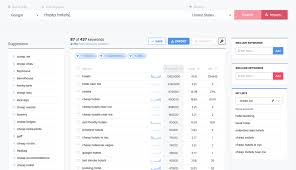
- Research: Conduct thorough keyword research using tools like Google Keyword Planner or SEMrush to identify high-value keywords relevant to your niche.
- Placement: Integrate keywords naturally into your website content, including headings, meta tags, URLs, and image alt text.
- Diversity: Use a mix of short-tail and long-tail keywords to capture different user intents and improve your chances of ranking for various search queries.
- Monitoring: Regularly monitor keyword performance using analytics tools to track rankings, traffic trends, and user engagement.
The Future of SEO Keywords
In an ever-evolving digital landscape, staying ahead of the curve with SEO keyword strategies is essential for maintaining a competitive edge. As voice search and artificial intelligence continue to shape how users interact with search engines, adapting your keyword approach to meet changing trends will be key to sustaining online visibility and relevance.
In conclusion, harnessing the power of SEO keywords can propel your online presence to new heights by enhancing visibility, driving organic traffic, and ultimately boosting conversions. By understanding the nuances of keyword optimisation and staying abreast of industry trends, you can unlock the full potential of your digital footprint in an increasingly competitive online world.
Essential FAQs on Choosing and Using SEO Keywords
- How do I choose SEO keywords?
- How do I find the keywords for SEO?
- What words are good for SEO?
- How do I create SEO keywords?
- How do I generate keywords for SEO?
- What are the best keywords for SEO?
- What are the 5 components of SEO?
- What are the 4 types of SEO?
- What are SEO keywords?
- How to generate SEO keywords?
- How do I learn SEO keywords?
- Which keyword is best for SEO?
- What are the 4 types of keywords?
- What is the best keyword for SEO?
How do I choose SEO keywords?
Selecting the right SEO keywords is a critical step in enhancing your online visibility and attracting relevant traffic to your website. To choose SEO keywords effectively, start by conducting comprehensive research to identify high-value keywords that align with your content and target audience. Consider factors such as search volume, competition level, and user intent to ensure your chosen keywords resonate with search engine users. Additionally, incorporating a mix of short-tail and long-tail keywords can help capture diverse search queries and improve your chances of ranking higher in search results. Regularly monitor keyword performance and adapt your strategy to evolving trends to maximise the impact of your SEO efforts. By following these steps diligently, you can optimise your keyword selection process and enhance the overall effectiveness of your SEO strategy.
How do I find the keywords for SEO?
When it comes to finding keywords for SEO, the process involves a strategic approach to identify the most relevant and effective terms that align with your website’s content and target audience. One common method is conducting keyword research using tools such as Google Keyword Planner, SEMrush, or Ahrefs. By analysing search volume, competition level, and user intent, you can uncover valuable keywords that have the potential to drive organic traffic to your site. It’s essential to consider long-tail keywords and variations that reflect what users are searching for in order to optimise your content for search engines effectively. Regularly monitoring keyword performance and adapting your strategy based on insights can help you stay competitive in the dynamic landscape of SEO.
What words are good for SEO?
When it comes to selecting effective keywords for SEO, the key lies in choosing words or phrases that are not only relevant to your content but also align with what your target audience is searching for. Good SEO keywords are typically specific, high in search volume, and low in competition. Long-tail keywords that reflect user intent and include niche-specific terms can be particularly beneficial in driving targeted traffic to your website. Conducting thorough keyword research and staying attuned to industry trends are essential practices in identifying and utilising the right words for maximising your SEO performance and online visibility.
How do I create SEO keywords?
Creating SEO keywords is a strategic process that involves thorough research, analysis, and implementation. To create effective SEO keywords, start by understanding your target audience and their search intent. Conduct keyword research using tools like Google Keyword Planner or SEMrush to identify relevant and high-value keywords related to your niche. Choose a mix of short-tail and long-tail keywords that align with your content and have a balance of search volume and competition level. Integrate these keywords naturally into your website content, including headings, meta tags, URLs, and image alt text. Regularly monitor keyword performance using analytics tools to track rankings and adjust your strategy as needed to improve visibility and attract organic traffic to your site. By following these steps and staying informed about industry trends, you can create SEO keywords that enhance your online presence and drive meaningful engagement with your target audience.
How do I generate keywords for SEO?
Generating keywords for SEO is a fundamental aspect of optimising your online presence for search engines. To generate effective keywords, start by understanding your target audience and their search intent. Conduct thorough keyword research using tools like Google Keyword Planner, SEMrush, or Ahrefs to identify relevant and high-value keywords in your niche. Consider the search volume, competition level, and relevance of each keyword to tailor your selection to align with your content and audience needs. By leveraging a combination of short-tail and long-tail keywords strategically throughout your website content, meta tags, and URLs, you can enhance your chances of ranking higher in search engine results pages and attracting organic traffic to your site. Regularly monitor keyword performance and adapt your strategy based on analytics insights to ensure ongoing SEO success.
What are the best keywords for SEO?
When it comes to determining the best keywords for SEO, the answer lies in a strategic approach tailored to your specific goals and target audience. The ideal keywords are those that strike a balance between relevance, search volume, and competition level. Conducting thorough keyword research using tools like Google Keyword Planner or SEMrush can help identify high-value keywords that align with your content and resonate with your audience. Long-tail keywords, which are more specific phrases, often prove valuable in attracting qualified traffic to your website. Ultimately, the best keywords for SEO are those that not only drive traffic but also engage users and align with your overall digital marketing strategy for sustainable online success.
What are the 5 components of SEO?
When exploring the realm of SEO (Search Engine Optimization), understanding its fundamental components is essential for achieving online visibility and success. The five key components of SEO encompass on-page optimization, off-page optimization, technical SEO, content quality and relevance, and user experience. On-page optimization involves refining individual web pages with relevant keywords, meta tags, and quality content. Off-page optimization focuses on building backlinks and enhancing domain authority. Technical SEO addresses site structure, speed, and mobile-friendliness. Content quality and relevance emphasise the importance of providing valuable information to users. Lastly, user experience encompasses factors like site navigation, responsiveness, and overall usability to ensure a positive interaction for visitors. Mastering these components is pivotal in crafting a comprehensive SEO strategy that elevates your online presence and drives organic traffic to your website.
What are the 4 types of SEO?
When it comes to SEO (Search Engine Optimization), understanding the different types is crucial for implementing a comprehensive strategy. The four main types of SEO include on-page SEO, off-page SEO, technical SEO, and local SEO. On-page SEO focuses on optimizing individual web pages to improve search engine rankings and user experience. Off-page SEO involves building external links and social signals to boost a site’s authority and credibility. Technical SEO deals with website infrastructure and performance optimization for better crawling and indexing by search engines. Local SEO targets geographic-specific searches to enhance visibility for businesses in specific regions. Each type plays a vital role in enhancing online presence and driving organic traffic to websites.
What are SEO keywords?
SEO keywords, often a focal point in discussions surrounding Search Engine Optimization (SEO), are specific words or phrases that users input into search engines to find relevant information, products, or services. These keywords play a pivotal role in determining a website’s visibility and ranking on search engine results pages (SERPs). By strategically incorporating relevant SEO keywords into website content, businesses and individuals can enhance their online presence, attract targeted traffic, and improve their chances of being discovered by users actively seeking their offerings. Understanding the significance of SEO keywords is fundamental to navigating the dynamic landscape of digital marketing and establishing a strong online foothold in an increasingly competitive virtual realm.
How to generate SEO keywords?
Generating SEO keywords is a fundamental aspect of any successful digital marketing strategy. To generate effective SEO keywords, start by conducting thorough research to identify relevant terms and phrases that align with your target audience’s search intent. Utilise keyword research tools such as Google Keyword Planner, SEMrush, or Ahrefs to discover high-value keywords with optimal search volume and manageable competition levels. Consider incorporating long-tail keywords to capture specific user queries and enhance the relevance of your content. By understanding your audience’s needs and preferences, you can create a comprehensive list of SEO keywords that will boost your website’s visibility and attract organic traffic from search engines.
How do I learn SEO keywords?
To master the art of SEO keywords, one must embark on a journey of continuous learning and refinement. Start by familiarising yourself with the fundamentals of keyword research and analysis through online resources, courses, and guides offered by reputable SEO experts. Practice implementing keywords strategically in your content to understand their impact on search engine rankings. Experiment with different tools and techniques for keyword discovery and optimisation, keeping abreast of industry trends and algorithm updates. Remember, learning SEO keywords is a dynamic process that requires patience, experimentation, and a willingness to adapt to the ever-evolving digital landscape.
Which keyword is best for SEO?
When it comes to determining the best keyword for SEO, there is no one-size-fits-all answer. The ideal keyword varies depending on factors such as your specific industry, target audience, competition level, and overall marketing goals. Conducting thorough keyword research to identify high-value keywords with a balance of search volume and relevance to your content is essential. Long-tail keywords tailored to user intent can often yield better results in terms of attracting targeted traffic and improving search engine rankings. Ultimately, the best keyword for SEO is one that aligns closely with your content strategy and resonates with your audience’s search queries.
What are the 4 types of keywords?
When it comes to SEO keywords, understanding the different types is crucial for effective optimisation strategies. The four main types of keywords include: 1) Short-tail keywords, which are brief and general terms often used for broad searches; 2) Long-tail keywords, consisting of longer phrases that are more specific and target niche audiences; 3) LSI (Latent Semantic Indexing) keywords, which are contextually related terms that help search engines understand the content’s relevance; and 4) Branded keywords, specific to a particular brand or company. By utilising a mix of these keyword types strategically, website owners can enhance their search engine visibility and attract relevant traffic to their online platforms.
What is the best keyword for SEO?
When it comes to SEO, the question of “What is the best keyword for SEO?” is a common query among website owners and digital marketers. The answer, however, is not straightforward as the effectiveness of a keyword depends on various factors such as search volume, competition level, relevance to your content, and target audience intent. The best keyword for SEO is one that strikes a balance between high search volume and low competition while aligning closely with your content and user search behaviour. Conducting thorough keyword research and analysis to identify these optimal keywords tailored to your specific goals and audience can significantly enhance your SEO strategy and online visibility.
Author

manually@ipower.eu
Related Posts

Unlocking Success: The Essential Guide to Local SEO Consulting
The Power of Local SEO Consulting The Power of Local SEO Consulting In today’s digital age, having a strong online presence is...
Read out all
- engine
- local
- local seo
- local seo companies
- local seo company
- local seo services
- marketing
- marketing agency
- search engine marketing
- search engine optimization
- search engine optimization company
- search engine optimization service
- search engines
- seo
- seo agency
- seo companies
- seo company
- seo search engine optimization
Unlocking Success: Why Choosing a Local SEO Agency Near Me Matters
The Importance of Choosing a Local SEO Agency Near You In today’s digital age, having a strong online presence is crucial for...
Read out all
Unlocking Success: Connecting with Local SEO Experts Near Me
SEO Experts Near Me The Importance of Finding SEO Experts Near You Search Engine Optimization (SEO) is a crucial aspect of digital...
Read out all
Crafting Effective SEO Optimized Content: A Guide to Writing for Success
Writing SEO Optimized Content The Art of Writing SEO Optimized Content Creating content that is not only engaging but also ranks well...
Read out all
Crafting Effective SEO Content: The Art of Writing Good SEO Content for Online Success
How to Write Good SEO Content Writing Good SEO Content: A Guide to Boost Your Online Visibility Creating compelling and effective content...
Read out all
Unlocking Global Success: The Essential Role of an International SEO Expert
Article: International SEO Expert The Role of an International SEO Expert in Global Digital Marketing In today’s interconnected world, businesses are expanding...
Read out all