
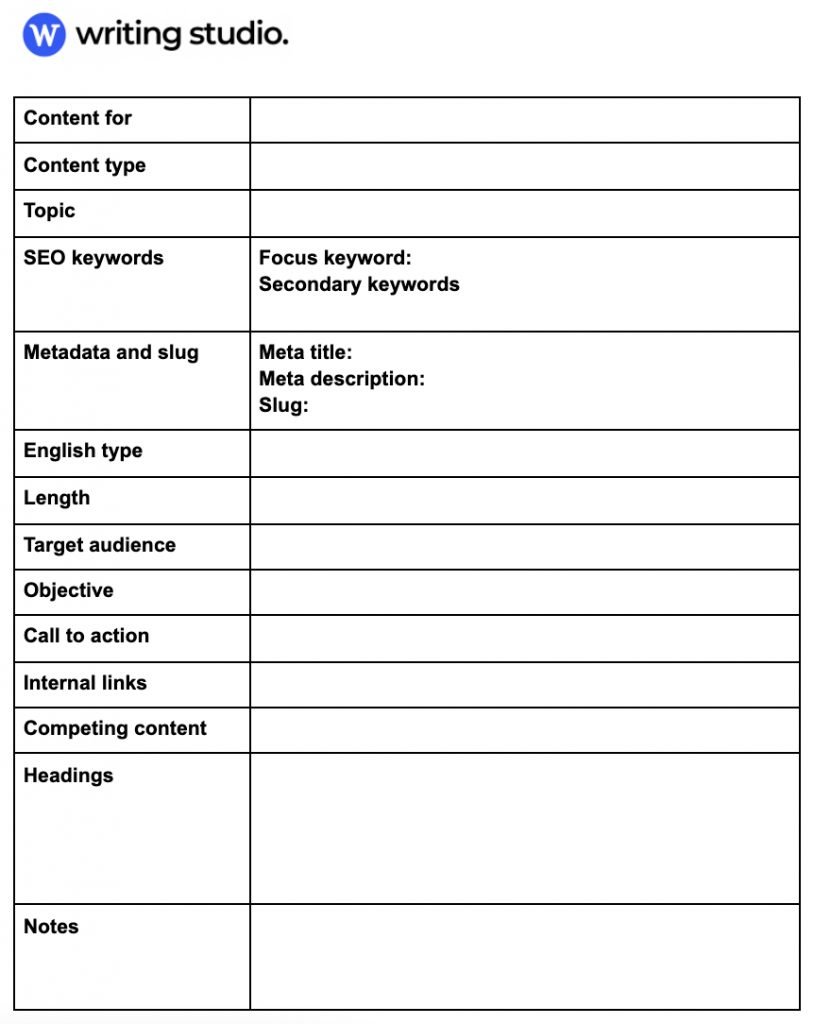
The Ultimate SEO Content Writing Template
Creating content that ranks well in search engines is crucial for any website looking to increase its online visibility. One effective way to achieve this is by using a structured SEO content writing template. This template acts as a guide to help you craft high-quality, optimised content that resonates with both readers and search engines.
Key Components of an SEO Content Writing Template:
- Title: Start with a compelling title that includes relevant keywords to attract both search engine crawlers and human readers.
- Introduction: Provide a brief overview of what the content will cover, engaging the reader from the start. Include primary keywords naturally within the introduction.
- Headings and Subheadings: Break down your content into sections using headings and subheadings. This not only improves readability but also helps search engines understand the structure of your content.
- Keyword Placement: Strategically place relevant keywords throughout your content, ensuring they flow naturally within the text. Avoid keyword stuffing, as it can harm your SEO efforts.
- Meta Description: Craft a concise and compelling meta description that summarises the content and entices users to click through from search engine results pages (SERPs).
- Internal and External Links: Include internal links to other relevant pages on your website and external links to authoritative sources. This helps search engines navigate your site and establishes credibility.
- Optimised Images: Use descriptive filenames and alt text for images to improve accessibility and provide additional context for search engines.
- Call-to-Action (CTA): End your content with a clear CTA that encourages readers to take the desired action, whether it’s subscribing, sharing, or making a purchase.
Tips for Using an SEO Content Writing Template Effectively:
- Research Keywords: Conduct keyword research to identify relevant terms that align with your target audience’s search intent.
- Create Unique Content: Avoid duplicating content from other sources. Aim to provide original insights and value-added information.
- Maintain Readability: Write in clear, concise language that is easy for readers to understand while incorporating targeted keywords seamlessly.
- Analyse Performance: Monitor the performance of your SEO-optimised content using analytics tools to track rankings, traffic, and user engagement metrics.
Incorporating an SEO content writing template into your digital marketing strategy can significantly enhance your website’s visibility and attract more organic traffic over time. By following best practices and continuously refining your approach, you can create compelling, optimised content that resonates with both users and search engines alike.
Essential FAQs on SEO Content Writing Templates for Enhanced Website Performance
- What is an SEO content writing template?
- Why is an SEO content writing template important for website owners?
- How can an SEO content writing template improve search engine rankings?
- What are the key components of a typical SEO content writing template?
- How should keywords be incorporated into an SEO content writing template?
- Why is readability crucial when using an SEO content writing template?
- What role do meta descriptions play in an SEO content writing template?
- How can businesses measure the effectiveness of their SEO-optimised content?
What is an SEO content writing template?
An SEO content writing template serves as a structured guide for creating optimised content that is designed to enhance a website’s visibility in search engine results. This template outlines key components such as keyword placement, headings, meta descriptions, and internal linking strategies to help writers craft high-quality content that not only appeals to readers but also aligns with search engine algorithms. By following an SEO content writing template, writers can ensure that their content is well-organised, keyword-rich, and tailored for improved search engine rankings and user engagement.
Why is an SEO content writing template important for website owners?
An SEO content writing template is crucial for website owners as it provides a structured framework for creating optimised content that enhances online visibility and improves search engine rankings. By following a template, website owners can ensure that their content is strategically crafted with relevant keywords, headings, meta descriptions, and other essential elements that appeal to both search engines and human readers. Consistency in using an SEO content writing template helps maintain the quality and relevance of the content across the website, ultimately driving organic traffic, increasing user engagement, and establishing the site as a credible source within its niche.
How can an SEO content writing template improve search engine rankings?
Implementing an SEO content writing template can enhance search engine rankings by providing a structured framework for creating optimised content. By incorporating relevant keywords, headings, meta descriptions, and internal links within the template, writers can effectively signal to search engines the relevance and value of their content. Consistent use of the template ensures that key SEO elements are included in every piece of content, increasing visibility and discoverability in search results. Additionally, by following best practices outlined in the template, such as avoiding keyword stuffing and focusing on readability, writers can create high-quality content that not only ranks well but also engages and resonates with target audiences.
What are the key components of a typical SEO content writing template?
When exploring the key components of a typical SEO content writing template, it becomes evident that a structured approach is essential for creating optimised and engaging content. These components often include a well-crafted title with relevant keywords, an engaging introduction that sets the tone for the content, strategic use of headings and subheadings to enhance readability and SEO structure, placement of keywords throughout the text in a natural manner, a concise meta description for search engine visibility, incorporation of internal and external links for navigation and credibility, optimised images with descriptive attributes, and a compelling call-to-action to guide reader interaction. By incorporating these elements thoughtfully into their content creation process, writers can enhance both user experience and search engine visibility effectively.
How should keywords be incorporated into an SEO content writing template?
Incorporating keywords into an SEO content writing template is a delicate balance between strategic placement and natural integration. Keywords should be seamlessly woven into the content, appearing in the title, headings, subheadings, and throughout the body text. It is essential to use variations of the primary keyword to avoid repetition and enhance semantic relevance. By strategically placing keywords in key areas while maintaining readability and coherence, you can signal to search engines the focus of your content without compromising its quality for human readers. This approach ensures that your content is optimised for search engine visibility while still engaging and informative for your target audience.
Why is readability crucial when using an SEO content writing template?
Ensuring readability is paramount when utilising an SEO content writing template as it directly impacts user experience and search engine optimisation success. Clear and coherent content not only engages readers but also helps search engines understand the context and relevance of the information provided. By maintaining readability, you enhance the accessibility of your content to a wider audience, increasing the likelihood of users staying on your page longer and potentially converting. Moreover, search engines favour well-structured, easy-to-read content, which can positively influence your website’s ranking in search results. Therefore, prioritising readability within an SEO content writing template is essential for driving organic traffic and achieving sustainable online visibility.
What role do meta descriptions play in an SEO content writing template?
Meta descriptions play a crucial role in an SEO content writing template as they serve as concise summaries of web page content that appear in search engine results. These meta descriptions not only provide users with a preview of what to expect when clicking on a link but also influence click-through rates and overall search engine visibility. By crafting compelling meta descriptions that include relevant keywords and entice users to click through, content creators can enhance the effectiveness of their SEO efforts and improve the chances of their content being discovered and engaged with by their target audience.
How can businesses measure the effectiveness of their SEO-optimised content?
Businesses can measure the effectiveness of their SEO-optimised content through various key performance indicators (KPIs) that reflect the impact of their efforts. Metrics such as organic traffic growth, keyword rankings, click-through rates from search engine results pages (SERPs), and user engagement metrics like bounce rate and time on page can provide valuable insights into the performance of content. Additionally, tracking conversions, such as leads generated or sales attributed to SEO content, allows businesses to directly tie content efforts to business outcomes. By analysing these KPIs regularly and adjusting strategies based on data-driven insights, businesses can gauge the success of their SEO content writing template and make informed decisions to drive continuous improvement in their digital marketing efforts.
Author

manually@ipower.eu
Related Posts

Unlocking Success: The Essential Guide to Local SEO Consulting
The Power of Local SEO Consulting The Power of Local SEO Consulting In today’s digital age, having a strong online presence is...
Read out all
- engine
- local
- local seo
- local seo companies
- local seo company
- local seo services
- marketing
- marketing agency
- search engine marketing
- search engine optimization
- search engine optimization company
- search engine optimization service
- search engines
- seo
- seo agency
- seo companies
- seo company
- seo search engine optimization
Unlocking Success: Why Choosing a Local SEO Agency Near Me Matters
The Importance of Choosing a Local SEO Agency Near You In today’s digital age, having a strong online presence is crucial for...
Read out all
Unlocking Success: Connecting with Local SEO Experts Near Me
SEO Experts Near Me The Importance of Finding SEO Experts Near You Search Engine Optimization (SEO) is a crucial aspect of digital...
Read out all
Crafting Effective SEO Optimized Content: A Guide to Writing for Success
Writing SEO Optimized Content The Art of Writing SEO Optimized Content Creating content that is not only engaging but also ranks well...
Read out all
Crafting Engaging and SEO-Friendly Content: A Guide to Writing for Online Success
How to Write SEO-Friendly Content: A Guide for Success Creating content that not only engages your audience but also ranks well on...
Read out all
Crafting Effective SEO Content: The Art of Writing Good SEO Content for Online Success
How to Write Good SEO Content Writing Good SEO Content: A Guide to Boost Your Online Visibility Creating compelling and effective content...
Read out all