
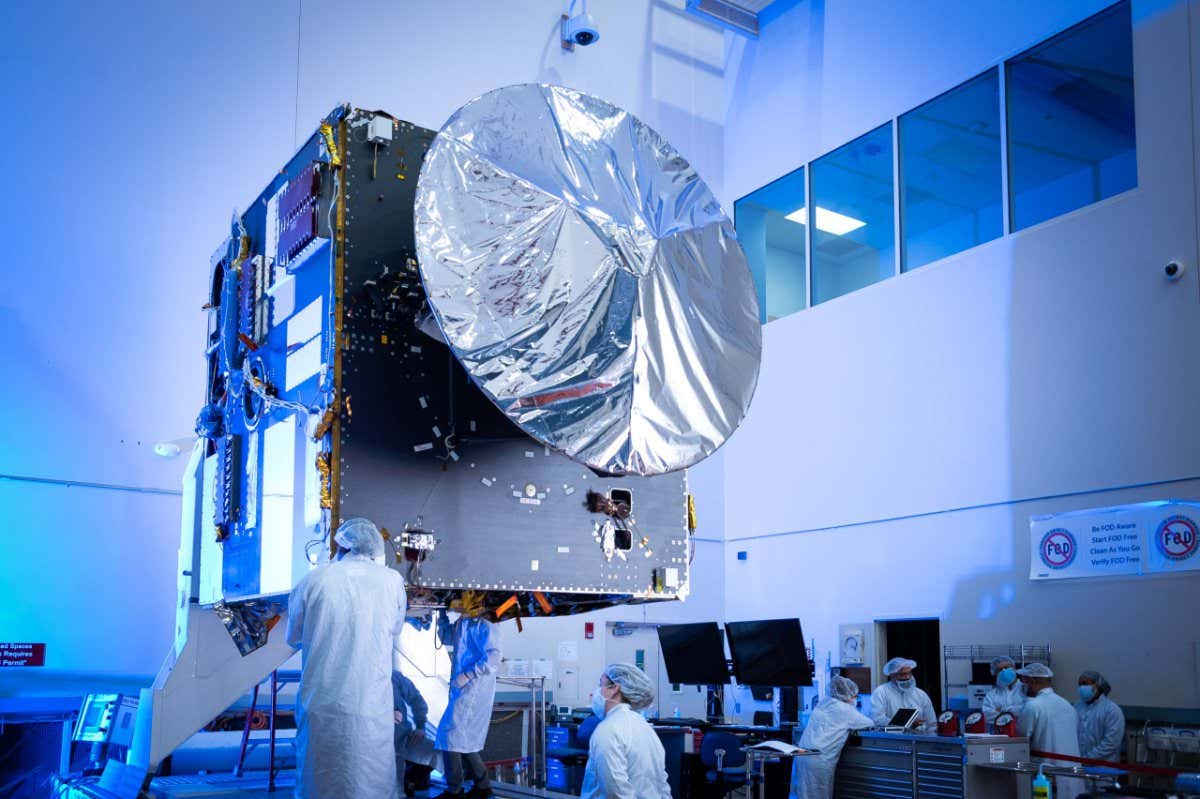
Top Technology Stories: The Developments Shaping Everyday Life
Technology’s biggest stories are not just about new gadgets. They are about changes to how people work, communicate, protect their information and access essential services. From artificial intelligence to the infrastructure powering the digital economy, these are some of the most important developments to understand.
Artificial Intelligence Moves Beyond the Chatbot
Generative artificial intelligence has expanded beyond answering questions and producing text. AI tools can now help analyse documents, write software, create images and interpret different types of information within a single conversation.
A major area of development is the AI agent: software designed to carry out a sequence of tasks, rather than simply respond to individual prompts. Potential uses include organising information, handling routine customer enquiries and supporting administrative work.
However, greater capability does not guarantee accuracy. AI systems can still invent information, misunderstand instructions or expose sensitive data if used carelessly. For businesses, the central challenge is finding useful applications while maintaining human oversight and clear accountability.
Cybersecurity Becomes Everyone’s Responsibility
Cybersecurity remains a major technology story because digital attacks can affect everything from individual bank accounts to hospitals and public services. Ransomware, stolen login details and supply-chain vulnerabilities continue to present serious risks.
AI-generated messages and synthetic voices also make impersonation scams harder to recognise. A convincing email or familiar-sounding phone call is no longer reliable proof of someone’s identity.
Practical protections still matter. Using unique passwords, enabling multi-factor authentication, installing updates and independently checking unusual payment requests can reduce exposure. Passkeys offer another option, using cryptographic credentials rather than a reusable password to help protect supported accounts against phishing.
The Chip Race Shapes the Wider Economy
Semiconductors sit at the centre of modern technology, powering smartphones, vehicles, medical equipment and data centres. Demand for advanced AI systems has made powerful processors and high-bandwidth memory especially important.
The story extends beyond designing faster chips. Manufacturing capacity, specialist equipment, packaging technologies and reliable supply chains all influence which products reach the market and how much they cost.
Governments also view chip production as a strategic priority. Efforts to strengthen domestic manufacturing reflect concerns about economic resilience, national security and dependence on a small number of suppliers.
Data Centres Face Energy and Water Questions
Cloud computing and AI rely on physical infrastructure. Behind digital services are data centres containing servers that require electricity and cooling.
Expanding this infrastructure can place pressure on local electricity networks and, depending on cooling methods, water supplies. The environmental impact varies according to location, energy sources, equipment efficiency and how facilities operate.
This makes energy-efficient chips, improved cooling and better use of computing resources increasingly important. Assessing progress requires more than looking at efficiency alone: total demand matters too.
Digital Regulation Focuses on Safety and Accountability
Technology regulation is increasingly concerned with how digital products affect people, rather than simply how they function. Key issues include personal data, online safety, competition, copyright and the use of AI in consequential decisions.
For UK organisations, navigating these responsibilities means paying attention to applicable legislation and guidance from relevant regulators. Requirements differ between jurisdictions, and implementation dates can matter as much as headline announcements.
For users, the practical questions are straightforward: what information does a service collect, how is it used, and what options exist when something goes wrong?
Repairability Challenges the Upgrade Cycle
Longer software support, replaceable components and access to repairs are becoming important considerations when buying technology. A device’s value depends not only on its launch specifications, but also on how long it remains secure and useful.
Refurbished products can offer an alternative to buying new, although buyers should check battery condition, warranty terms and remaining security support. Keeping suitable devices in use for longer can also help reduce electronic waste.
What These Technology Stories Have in Common
The biggest technology developments share a common theme: innovation needs to deliver practical value without creating unacceptable costs or risks. Faster processors and more capable software matter, but so do security, affordability, transparency and environmental impact.
When following technology coverage, it helps to distinguish a product announcement from independent testing, and a promising demonstration from a dependable service. That distinction makes it easier to see which developments are genuinely changing everyday life.
Top Technology Stories: Five Frequently Asked Questions
- What are the biggest technology stories right now?
- How is artificial intelligence changing everyday life?
- What are the latest cybersecurity threats, and how can I stay safe?
- Why are computer chips and semiconductors so important?
- How are new technologies affecting the environment?
What are the biggest technology stories right now?
The biggest technology stories right now centre on artificial intelligence, cybersecurity, advanced computer chips and the growing demands of data centres. Generative AI and AI agents are attracting attention for their potential to change how people work, alongside concerns about accuracy, copyright and jobs. Online scams, ransomware and deepfakes are keeping digital security in focus, while competition over semiconductor production highlights the importance of reliable supply chains. Other major themes include technology regulation, personal data protection and the energy needed to power digital services. As headlines change quickly, check publication dates and trusted news sources for the latest developments.
How is artificial intelligence changing everyday life?
Artificial intelligence is changing everyday life by helping people complete tasks, find information and use digital services more easily. It powers personalised recommendations on streaming platforms, helps navigation apps predict traffic, filters unwanted emails and supports tools that translate languages or turn speech into text. At work and in education, generative AI can help draft documents, summarise information and explain unfamiliar topics, although its answers still need checking. AI also supports healthcare professionals in tasks such as analysing medical images, with appropriate clinical oversight. Alongside these benefits come concerns about privacy, bias, scams and changes to jobs, making responsible use and human judgement essential.
What are the latest cybersecurity threats, and how can I stay safe?
The latest cybersecurity threats include phishing messages, ransomware, stolen passwords and increasingly convincing scams that use AI-generated text, images or voices to impersonate trusted people and organisations. Stay safer by using a different, strong password for every account—ideally stored in a reputable password manager—and enabling multi-factor authentication or passkeys wherever available. Keep your devices and apps updated, avoid opening unexpected links or attachments, and verify unusual requests for money or personal information through a separate, trusted channel. Back up important files regularly, and contact your bank or relevant service promptly if you think an account has been compromised.
Why are computer chips and semiconductors so important?
Computer chips, made from semiconductor materials such as silicon, are essential because they process, store and control the information that powers modern electronics. They enable everything from smartphones and laptops to medical equipment, vehicle safety systems and communications networks. More advanced chips also support demanding tasks such as artificial intelligence and scientific research. Their importance extends beyond individual devices: shortages can disrupt manufacturing, raise prices and delay products across entire industries. This is why semiconductor production, supply chains and technological advances regularly feature among the top technology stories.
How are new technologies affecting the environment?
New technologies can affect the environment in both positive and negative ways. Renewable energy systems, smart electricity grids and more efficient transport can help reduce emissions, while digital tools can improve how resources are managed. However, devices and data centres require energy and raw materials, and discarded electronics can contribute to pollution and waste. The overall impact depends on how technology is designed, powered, manufactured, used and recycled. Choosing energy-efficient products, repairing devices and recycling them responsibly can help reduce their environmental footprint.
Author

manually@ipower.eu
Related Posts

Current Information Technology News: Key Trends and Developments to Watch
Information Technology News: AI, Cyber Security and Cloud Costs Shape the Agenda Editorial note: This overview explores major developments shaping information technology....
Read out allA Magazine Article About Technology: Innovation, Impact and the Future
Technology Is Changing Everyday Life—But Who Is in Control? From the phone in your pocket to the software shaping what we see...
Read out all
Latest Development in IT Technology: Trends Shaping the Digital Future
Latest Developments in IT: The Technologies Reshaping Business and Everyday Life Information technology is evolving rapidly, changing how organisations operate, how software...
Read out allLatest IT Tech News: Key Trends Shaping the Digital World
Latest IT Tech News: AI, Cybersecurity and the Changing Digital Workplace Artificial intelligence, cybersecurity and cloud computing remain central to the IT...
Read out all
Today Technology News in English: The Latest Innovations and Digital Trends
Today’s Technology News in English: Key Trends to Follow Editorial note: This article provides an overview of major technology topics, rather than...
Read out all
Business Articles About Technology: Trends, Tools and Insights for Modern Organisations
Business Articles About Technology: A Guide to Writing Content That Matters Technology is changing how businesses operate, compete and serve their customers....
Read out all