
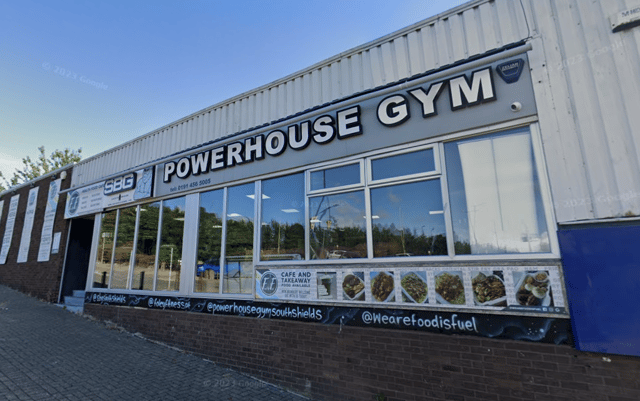
Powerhouse Fitness: Building Strength, Confidence and Consistency
Powerhouse fitness is about developing strength, stamina and confidence through regular, purposeful exercise. Whether you train at home, in a gym or outdoors, the fundamentals are the same: set realistic goals, choose activities you enjoy and give your body time to adapt.
What does powerhouse fitness involve?
A balanced fitness routine can combine resistance training, cardiovascular exercise and mobility work. Each plays a different role. Strength training helps build and maintain muscle, while cardio supports heart and lung health. Mobility and flexibility exercises can help you move comfortably and perform everyday tasks with greater ease.
There is no single routine that suits everyone. A beginner might start with brisk walks and simple bodyweight exercises, while a more experienced exerciser may prefer structured gym sessions. The best plan is one that fits your current ability, schedule and personal goals.
Start with clear, realistic goals
Before beginning, consider what you would like to achieve. You might want to feel fitter, improve your strength, increase your daily activity or establish a regular exercise habit. Specific, manageable targets make progress easier to recognise. For example, aim to complete two short strength sessions each week before gradually increasing the duration or difficulty.
Progress does not always mean lifting heavier weights or exercising for longer. Better technique, improved energy and greater consistency are also meaningful signs of development.
Build a balanced routine
A practical weekly programme could include a few sessions of moderate cardiovascular activity, two strength-training sessions and gentle movement on other days. Exercises such as squats, push-ups, rows and hip hinges can train several major muscle groups. If you use equipment, choose a resistance that lets you maintain good form throughout each set.
Warm up before exercising with a few minutes of light movement and easier versions of the activities you plan to do. Finish at a comfortable pace, and include mobility work if it helps you feel ready for your next session.
Make consistency easier
Motivation can change from day to day, so it helps to make exercise convenient. Put sessions in your calendar, keep equipment accessible and choose activities you genuinely enjoy. Short workouts still count: a 20-minute session is often more useful than waiting for the perfect opportunity to do a much longer one.
It can also help to keep a simple record of your workouts. Note what you did, how it felt and any gradual improvements. Use the information to adjust your plan rather than treating every missed session as a setback.
Recovery is part of training
Fitness gains come from a combination of exercise and recovery. Rest days, sufficient sleep, balanced meals and regular hydration all support your ability to train consistently. If you feel unusually tired or experience persistent pain, reduce the intensity and seek advice from a qualified health professional where appropriate.
Anyone with a health condition, injury or concerns about starting exercise should consider speaking to a healthcare professional first. A qualified trainer can also help with exercise choices and technique.
Find an approach that lasts
Powerhouse fitness is not about pushing yourself to the limit every day. It is about creating a sustainable routine, building skills over time and recognising progress along the way. Start at a level that feels manageable, be patient with the process and adapt your plan as your needs change. With consistency and a balanced approach, exercise can become a lasting part of a healthier lifestyle.
5 Powerhouse Fitness Tips to Build Strength and Train Safely
- Build strength with compound exercises such as squats and presses.
- Warm up for five minutes before each session.
- Train your core with planks and controlled twists.
- Increase weights gradually and focus on good form.
- Allow time to rest and recover between workouts.
Build strength with compound exercises such as squats and presses.
Build strength efficiently by including compound exercises such as squats and presses in your routine. These movements work several muscle groups at once, helping you develop strength for everyday activities while making good use of your training time. Start with a manageable weight, focus on controlled movement and good technique, then increase the resistance gradually as you grow stronger.
Warm up for five minutes before each session.
Before each session, spend five minutes warming up to prepare your body for exercise. Start with gentle movements, such as brisk walking, marching on the spot or easy cycling, then add a few dynamic movements that match your workout. A gradual warm-up raises your heart rate and helps you move into exercise more comfortably. Keep the pace light: you should feel warmer and ready to train, not tired before you begin.
Train your core with planks and controlled twists.
Train your core with planks and controlled twists to build strength and improve stability. Keep your body aligned during planks, bracing your stomach without holding your breath, and move slowly through each twist rather than using momentum. Start with short holds and a comfortable range of movement, then gradually increase the challenge as your technique improves.
Increase weights gradually and focus on good form.
At Powerhouse Fitness, increase your weights gradually as your strength improves, rather than rushing to lift heavier. Choose a load that lets you complete each repetition with control, keeping good technique from start to finish. Proper form helps you target the intended muscles and can reduce the risk of injury. If you struggle to maintain it, lower the weight and build up again at a steady pace.
Allow time to rest and recover between workouts.
Allow time for rest and recovery between workouts to give your muscles a chance to repair and adapt. Schedule rest days or alternate between different types of exercise, and pay attention to signs of persistent tiredness or soreness. Good-quality sleep, balanced meals and staying hydrated can also support recovery, helping you return to training feeling ready and reduce the risk of overdoing it.
Author

manually@ipower.eu