
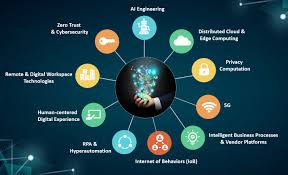
The Latest in IT Technology: Transforming the Digital Landscape
The world of Information Technology is ever-evolving, with new innovations continuously reshaping how businesses and individuals operate. As we navigate through 2023, several groundbreaking technologies are making headlines and setting the stage for the future. Here’s a look at some of the most significant advancements in IT technology today.
Artificial Intelligence and Machine Learning
Artificial Intelligence (AI) and Machine Learning (ML) continue to be at the forefront of technological innovation. These technologies are now being integrated into various sectors, from healthcare to finance, enhancing decision-making processes with predictive analytics and automation. AI-driven chatbots and virtual assistants are becoming more sophisticated, providing personalised customer service experiences around the clock.
Quantum Computing
Quantum computing is no longer just a theoretical concept but a burgeoning reality. With tech giants like IBM and Google making significant strides, quantum computers promise to solve complex problems beyond the reach of traditional computers. This technology has the potential to revolutionise industries such as cryptography, material science, and drug discovery by processing vast amounts of data at unprecedented speeds.
5G Technology
The rollout of 5G networks is transforming connectivity by offering faster internet speeds and more reliable connections on mobile devices. This advancement not only enhances user experience but also enables new applications like remote surgery, autonomous vehicles, and smart cities by supporting massive Internet of Things (IoT) ecosystems.
Edge Computing
As data generation continues to grow exponentially, edge computing is gaining traction as a means to process data closer to its source rather than relying solely on centralised cloud servers. This reduces latency, improves speed, and enhances security—crucial factors for applications such as real-time analytics in industrial automation or autonomous driving systems.
Blockchain Beyond Cryptocurrency
While blockchain technology is best known for underpinning cryptocurrencies like Bitcoin, its applications extend far beyond digital currency. Industries are exploring blockchain for its potential in improving transparency and security in supply chains, streamlining identity verification processes, and even facilitating secure voting systems.
The Future Outlook
The rapid pace of technological development shows no signs of slowing down. As these innovations continue to mature and integrate into everyday life, they will undoubtedly lead to further disruptions across various sectors. Staying informed about these trends is crucial for businesses aiming to remain competitive in an increasingly digital world.
In conclusion, keeping abreast of the latest IT technologies not only prepares us for what lies ahead but also empowers us to harness these advancements effectively for growth and innovation.
Unlocking Potential: Five Key Benefits of Cutting-Edge IT Technology
- Enhanced efficiency and productivity through automation and AI-driven processes.
- Improved connectivity and communication with the widespread adoption of 5G technology.
- Increased data security measures with advancements in blockchain technology.
- Faster processing speeds and reduced latency through edge computing solutions.
- Innovative solutions for complex problems enabled by the development of quantum computing.
Addressing the Challenges of Modern IT: Privacy, Security, Access, and Dependence
Enhanced efficiency and productivity through automation and AI-driven processes.
One of the key advantages of the latest IT technology is the significant boost it provides to efficiency and productivity through automation and AI-driven processes. By automating repetitive tasks and leveraging artificial intelligence algorithms, businesses can streamline operations, reduce manual errors, and free up valuable time for employees to focus on more strategic initiatives. This enhanced efficiency not only accelerates workflow processes but also leads to improved decision-making capabilities, ultimately driving overall productivity gains across various industries.
Improved connectivity and communication with the widespread adoption of 5G technology.
With the widespread adoption of 5G technology, one significant pro is the remarkable improvement in connectivity and communication. 5G networks offer lightning-fast internet speeds and ultra-reliable connections, enabling seamless communication across devices and platforms. This enhanced connectivity paves the way for transformative applications such as real-time video conferencing, remote collaboration, and IoT innovations that require high-speed data transmission. The efficiency and reliability of 5G technology not only enhance user experiences but also drive productivity and innovation in various sectors, propelling us towards a more connected and digitally empowered future.
Increased data security measures with advancements in blockchain technology.
With the advancements in blockchain technology, one of the key advantages is the heightened data security measures it offers. Blockchain’s decentralised and tamper-resistant nature ensures that data stored on the network is secure and immutable. By using cryptographic algorithms and consensus mechanisms, blockchain enhances data integrity, transparency, and privacy, reducing the risk of fraud, unauthorised access, and data manipulation. This innovative approach to securing information not only instils trust in digital transactions but also provides a robust framework for safeguarding sensitive data across various industries.
Faster processing speeds and reduced latency through edge computing solutions.
One of the key advantages of the latest IT technology, particularly edge computing solutions, is the significant improvement in processing speeds and reduction in latency. By enabling data processing closer to its source, edge computing minimises the time it takes for information to travel between devices and central servers. This enhanced efficiency not only accelerates decision-making processes but also enhances user experiences in real-time applications such as industrial automation, Internet of Things (IoT) devices, and autonomous systems. The ability to achieve faster processing speeds and reduced latency through edge computing solutions marks a pivotal advancement in IT infrastructure, paving the way for more agile and responsive digital ecosystems.
Innovative solutions for complex problems enabled by the development of quantum computing.
The advancement of quantum computing technology has unlocked a realm of innovative solutions for tackling complex problems that were once deemed insurmountable. By harnessing the power of quantum mechanics, these cutting-edge systems can process vast amounts of data and perform computations at speeds far beyond the capabilities of traditional computers. This breakthrough paves the way for transformative applications in fields such as cryptography, material science, and drug discovery, offering unprecedented insights and solutions to challenges that were previously beyond reach.
Privacy Concerns
The rapid advancement of IT technology brings forth a notable con in the form of privacy concerns. As our digital footprint expands, so do the risks associated with data breaches, surveillance practices, and potential misuse of personal information. The collection and storage of vast amounts of data raise questions about who has access to this information and how it is being used. Individuals and organisations alike must navigate the delicate balance between technological progress and safeguarding privacy rights in an increasingly interconnected world.
Cybersecurity Threats
As IT technologies advance, the rise of cybersecurity threats presents a significant challenge. The sophistication of modern IT systems is mirrored by the increasing complexity of cyber threats. Hackers are continuously adapting and refining their techniques, putting sensitive data and critical infrastructure at risk. The evolving landscape of cyber attacks underscores the importance of robust cybersecurity measures to safeguard against potential breaches and protect digital assets from malicious actors. Organizations must remain vigilant and proactive in addressing these cybersecurity risks to ensure the integrity and security of their technological ecosystems.
Digital Divide
The rapid pace of advancements in Information Technology brings with it the concerning conundrum of the digital divide. As technology progresses, there is a growing risk of widening the gap between individuals who have access to the latest IT innovations and those who lack such access. This disparity not only exacerbates existing inequalities but also poses a significant challenge in bridging the divide between different socio-economic groups. As we embrace the benefits of cutting-edge technology, it is imperative to address this issue to ensure that everyone has equal opportunities to leverage IT advancements for personal and professional growth.
Dependency on Technology
Relying heavily on the latest IT technology can lead to increased vulnerability in case of system failures or technical glitches, disrupting operations and causing downtime. While technological advancements offer numerous benefits, overdependence on them without robust backup plans can leave businesses and individuals exposed to significant risks. In an era where digital systems are integral to daily operations, it is essential to strike a balance between leveraging technology for efficiency and ensuring resilience in the face of potential disruptions.
Author

manually@ipower.eu
Related Posts

New Technology in the World Today: Innovations Shaping Our Future
Exploring New Technology in the World Today In today’s rapidly evolving world, technology continues to reshape our lives in ways previously unimaginable....
Read out all
Business and Technology News Articles: Key Trends Shaping the Future
The Intersection of Business and Technology: A Modern Renaissance In today’s fast-paced world, the synergy between business and technology is transforming industries...
Read out all
World Technology News Today: Key Developments Shaping Our Future
World Technology News Today World Technology News Today: Innovations and Developments In the rapidly evolving world of technology, today’s headlines are filled...
Read out all
What Do You Mean by Technology? A Simple Guide to Its Meaning and Everyday Uses
What Do You Mean by Technology? Technology is the use of knowledge, tools and techniques to solve problems or make tasks easier....
Read out all
Best Technology Articles: Essential Reads for Curious Minds
Best Technology Articles: Essential Reads for Curious Minds The best technology articles do more than explain a new gadget or announce a...
Read out allIT News: Latest Technology Trends and Innovations to Watch in 2026
Latest Technology News: Innovations Shaping Our Future In the ever-evolving world of technology, staying updated with the latest advancements is crucial. From...
Read out all