
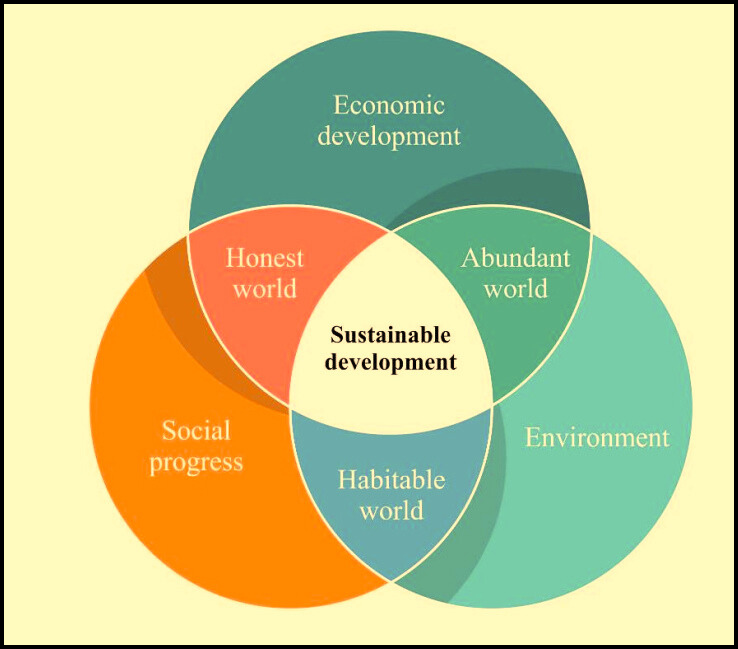
Environmental Sustainability: A Path to a Greener Future
Environmental sustainability is a crucial concept that focuses on preserving the delicate balance of our planet’s ecosystems for current and future generations. It involves meeting the needs of the present without compromising the ability of future generations to meet their own needs.
One of the key aspects of environmental sustainability is reducing our carbon footprint by minimising greenhouse gas emissions. This can be achieved through transitioning to renewable energy sources such as solar, wind, and hydroelectric power. By embracing clean energy alternatives, we can significantly reduce our reliance on fossil fuels and mitigate the impact of climate change.
Another vital component of environmental sustainability is promoting biodiversity conservation. Protecting endangered species, preserving natural habitats, and implementing sustainable land management practices are essential for maintaining biodiversity and ecosystem resilience. By safeguarding our rich biodiversity, we ensure the survival of diverse plant and animal species that play a critical role in ecological balance.
Waste reduction and recycling also play a significant role in environmental sustainability. By minimising waste generation, reusing materials, and recycling resources, we can reduce landfill waste and conserve valuable natural resources. Adopting a circular economy model promotes resource efficiency and minimises environmental impact throughout the product lifecycle.
Furthermore, sustainable agriculture practices such as organic farming, crop rotation, and integrated pest management contribute to environmental sustainability by promoting soil health, conserving water resources, and reducing chemical inputs. Sustainable agriculture not only protects the environment but also ensures food security for present and future generations.
In conclusion, environmental sustainability is essential for safeguarding the planet’s health and well-being. By embracing sustainable practices in energy production, biodiversity conservation, waste management, and agriculture, we can pave the way towards a greener future for all living beings on Earth.
Six Key Benefits of Environmental Sustainability: Conserving Resources and Protecting Our Planet
- Promotes conservation of natural resources
- Reduces greenhouse gas emissions and mitigates climate change
- Preserves biodiversity and protects endangered species
- Encourages sustainable practices in agriculture and land management
- Minimises waste generation and promotes recycling
- Creates a healthier environment for current and future generations
Challenges in Achieving Environmental Sustainability: Costs, Technology, and Global Cooperation
- Initial costs of implementing sustainable practices can be high for businesses and individuals.
- Transitioning to renewable energy sources may require significant infrastructure upgrades and investments.
- Some sustainable technologies are still in the developmental stage and may not be as efficient or cost-effective as traditional methods.
- Changing consumer behaviour towards sustainability can be challenging and may face resistance from those accustomed to convenience.
- Balancing economic growth with environmental sustainability goals can pose challenges for policymakers and businesses.
- Global cooperation is necessary for effective environmental sustainability, but international agreements and commitments can be difficult to achieve.
- The long-term benefits of environmental sustainability measures may not always be immediately visible or tangible, leading to a lack of immediate incentives for action.
Promotes conservation of natural resources
Promoting conservation of natural resources is a fundamental pro of environmental sustainability. By adopting sustainable practices that aim to reduce resource consumption and minimise waste generation, we can help preserve precious natural resources such as water, forests, minerals, and wildlife habitats. Conservation efforts not only protect the integrity of ecosystems but also ensure that future generations can continue to benefit from these invaluable resources. Embracing environmental sustainability fosters a sense of responsibility towards the planet and encourages us to use resources wisely and efficiently for the long-term well-being of both nature and society.
Reduces greenhouse gas emissions and mitigates climate change
One of the key benefits of environmental sustainability is its ability to reduce greenhouse gas emissions and mitigate the impacts of climate change. By transitioning to renewable energy sources and implementing energy-efficient practices, we can significantly decrease our carbon footprint. This proactive approach not only helps in curbing global warming but also plays a crucial role in safeguarding the planet for future generations. Embracing sustainable practices is essential in combating climate change and preserving the delicate balance of our ecosystems.
Preserves biodiversity and protects endangered species
Preserving biodiversity and protecting endangered species is a fundamental pro of environmental sustainability. By implementing conservation measures and sustainable practices, we can safeguard the rich tapestry of life on our planet. Maintaining biodiversity ensures the resilience of ecosystems and the survival of countless plant and animal species that contribute to the intricate web of life. Through our commitment to environmental sustainability, we can protect endangered species from extinction and uphold the delicate balance of nature for future generations to cherish and benefit from.
Encourages sustainable practices in agriculture and land management
Encouraging sustainable practices in agriculture and land management is a fundamental pro of environmental sustainability. By promoting techniques such as organic farming, crop rotation, and integrated pest management, we can enhance soil health, conserve water resources, and reduce the reliance on harmful chemical inputs. These practices not only benefit the environment by minimising pollution and preserving biodiversity but also ensure long-term food security for current and future generations. Embracing sustainable agriculture not only safeguards our natural resources but also fosters a harmonious relationship between humans and the land, paving the way for a more resilient and ecologically balanced future.
Minimises waste generation and promotes recycling
Minimising waste generation and promoting recycling is a fundamental pro of environmental sustainability. By adopting practices that reduce the amount of waste we produce and encouraging the recycling of materials, we can significantly lessen the burden on landfills and natural ecosystems. Recycling not only conserves valuable resources but also helps to lower energy consumption and greenhouse gas emissions associated with manufacturing new products from raw materials. Embracing a circular economy approach where materials are reused and recycled ensures that we make the most of our resources while minimising our environmental impact, ultimately contributing to a more sustainable future for generations to come.
Creates a healthier environment for current and future generations
Environmental sustainability creates a healthier environment for both current and future generations by preserving natural resources, reducing pollution levels, and mitigating the impact of climate change. By implementing sustainable practices such as renewable energy adoption, waste reduction, and conservation efforts, we can ensure that our planet remains habitable and thriving for years to come. This commitment to environmental stewardship not only benefits the health and well-being of present populations but also safeguards the future viability of our ecosystems for the generations yet to come.
Initial costs of implementing sustainable practices can be high for businesses and individuals.
The initial costs of implementing sustainable practices can pose a significant challenge for businesses and individuals alike. Transitioning to eco-friendly technologies, investing in energy-efficient infrastructure, and adopting sustainable business models often require substantial financial resources upfront. This financial barrier may deter some businesses and individuals from embracing environmental sustainability initiatives, despite the long-term benefits they offer. Balancing the immediate cost implications with the potential environmental and economic advantages of sustainability can be a complex decision-making process for many stakeholders.
Transitioning to renewable energy sources may require significant infrastructure upgrades and investments.
Transitioning to renewable energy sources, while essential for mitigating climate change and reducing environmental impact, presents a notable challenge in terms of infrastructure upgrades and investments. The shift from traditional fossil fuel-based energy systems to renewable alternatives such as solar, wind, and hydroelectric power necessitates substantial financial resources and extensive modifications to existing energy infrastructure. This con of environmental sustainability highlights the need for careful planning, strategic investment decisions, and collaboration between governments, businesses, and communities to facilitate a smooth transition towards a more sustainable energy future.
Some sustainable technologies are still in the developmental stage and may not be as efficient or cost-effective as traditional methods.
One significant drawback of environmental sustainability is that some sustainable technologies are still in the developmental stage and may not be as efficient or cost-effective as traditional methods. While the potential benefits of these innovative technologies are promising, their current limitations in terms of performance and affordability pose challenges for widespread adoption. This discrepancy between sustainable solutions and established practices can hinder the transition to a more environmentally friendly approach, highlighting the need for further research and development to enhance the effectiveness and accessibility of sustainable technologies.
Changing consumer behaviour towards sustainability can be challenging and may face resistance from those accustomed to convenience.
Changing consumer behaviour towards sustainability can be a daunting challenge as it often encounters resistance from individuals who are accustomed to the convenience of existing consumption patterns. Encouraging people to adopt more sustainable practices requires a shift in mindset and habits, which can be met with reluctance or scepticism. Overcoming this barrier involves not only raising awareness about the importance of environmental sustainability but also providing accessible alternatives that make eco-friendly choices more convenient and appealing to a wider audience.
Balancing economic growth with environmental sustainability goals can pose challenges for policymakers and businesses.
Balancing economic growth with environmental sustainability goals can pose significant challenges for policymakers and businesses. While economic growth is often prioritised for its potential to drive prosperity and development, it can sometimes conflict with the long-term objectives of preserving the environment and mitigating climate change. Policymakers face the complex task of formulating policies that promote sustainable practices without hindering economic progress, while businesses must navigate the delicate balance between profitability and environmental responsibility. Striking a harmonious equilibrium between economic growth and environmental sustainability requires innovative solutions, collaboration across sectors, and a shared commitment to creating a greener and more prosperous future for all.
Global cooperation is necessary for effective environmental sustainability, but international agreements and commitments can be difficult to achieve.
Global cooperation is undeniably crucial for achieving effective environmental sustainability; however, the road to international agreements and commitments can be fraught with challenges. Negotiating and reaching consensus among diverse nations with varying priorities, interests, and levels of development can be a complex and time-consuming process. Political differences, economic considerations, and competing agendas often hinder the swift implementation of comprehensive environmental policies on a global scale. Despite these obstacles, fostering collaboration and dialogue among countries remains paramount in addressing pressing environmental issues that transcend borders and require collective action for meaningful impact.
The long-term benefits of environmental sustainability measures may not always be immediately visible or tangible, leading to a lack of immediate incentives for action.
One significant con of environmental sustainability is that the long-term benefits of implementing sustainable measures may not always be readily apparent or tangible in the short term. This lack of immediate visibility can create a challenge as it may result in a lack of immediate incentives for individuals, businesses, and governments to take action towards sustainability. Without clear and immediate rewards or benefits, some may struggle to prioritise long-term environmental sustainability over short-term gains, hindering progress towards a more sustainable future.
Author

manually@ipower.eu
Related Posts

Local Technology News: Innovations Shaping Our Communities
Local Technology News: The Innovations Shaping Our Communities Technology news often focuses on global companies and major breakthroughs. Yet some of the...
Read out all
Show Me Tech News: The Latest Technology Stories and Trends
Show Me Tech News: How to Keep Up with the Stories That Matter Technology changes quickly. New phones, artificial intelligence tools, software...
Read out all
Important Tech News: The Innovations Shaping Our Future
Important Tech News: Innovations and Developments Shaping Our Future The world of technology is ever-evolving, with breakthroughs and innovations emerging at a...
Read out allAbout Technology Articles: A Guide to Understanding the Digital World
About Technology Articles: Making Sense of a Changing World Technology is woven into everyday life, from the phones we use to stay...
Read out all
What Is the Meaning of Modern Technology?
What Is the Meaning of Modern Technology? Modern technology is the collection of tools, systems and methods developed to solve problems, make...
Read out all
SEO Digital Marketing Specialist: Roles, Skills and Career Opportunities
What Does an SEO Digital Marketing Specialist Do? An SEO digital marketing specialist helps businesses improve their visibility online and attract the...
Read out all