
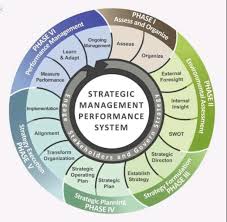
The Intersection of Business Strategy and Environmental Sustainability
In today’s rapidly changing world, businesses are increasingly recognising the importance of incorporating environmental sustainability into their overall strategy. The impact of climate change, resource depletion, and environmental degradation has become impossible to ignore, prompting companies to rethink their approaches to operations and growth.
Business strategy and environmental sustainability are not mutually exclusive concepts; in fact, they are becoming increasingly intertwined. Companies that prioritise sustainability in their business practices often find that it not only benefits the planet but also contributes to their bottom line and long-term success.
Why is Environmental Sustainability Important for Business Strategy?
There are several compelling reasons why businesses should consider environmental sustainability as a key component of their strategic planning:
- Reputation and Brand Image: Consumers are becoming more environmentally conscious and are actively seeking out businesses that demonstrate a commitment to sustainability. By aligning with green practices, companies can enhance their reputation and attract a growing segment of eco-conscious customers.
- Risk Mitigation: Environmental risks, such as regulatory changes, supply chain disruptions, and reputational damage from environmental scandals, can pose significant threats to business operations. By adopting sustainable practices, companies can mitigate these risks and build resilience against future uncertainties.
- Cost Savings: Implementing energy-efficient technologies, reducing waste generation, and optimising resource use can lead to significant cost savings for businesses. Sustainable practices often result in increased operational efficiency and reduced overhead expenses.
- Innovation Opportunities: Embracing sustainability can spark innovation within an organisation. Companies that prioritise environmental responsibility are more likely to explore new technologies, products, and services that address pressing environmental challenges while meeting consumer demands.
Strategies for Integrating Environmental Sustainability into Business Operations
To effectively incorporate environmental sustainability into business strategy, companies can adopt the following strategies:
- Set Clear Goals: Establish measurable targets for reducing carbon emissions, water usage, waste generation, or other key environmental indicators. These goals should align with the company’s overall mission and values.
- Invest in Sustainable Practices: Implement eco-friendly initiatives such as renewable energy installations, waste recycling programmes, sustainable supply chain management practices, or green building designs.
- Engage Stakeholders: Involve employees, customers, suppliers, and local communities in sustainability efforts. Encourage collaboration and transparency to foster a culture of shared responsibility towards the environment.
- Educate and Empower Employees: Provide training on sustainable practices and empower employees to contribute ideas for improving environmental performance within the organisation.
The Future of Business Strategy: A Sustainable Outlook
In conclusion,
businesses that embrace environmental sustainability as a core component of their strategy stand to gain competitive advantages in an increasingly environmentally conscious marketplace. By integrating sustainable practices into all aspects of operations—from procurement to production to distribution—companies can create value not only for themselves but also for society at large. As we move towards a more sustainable future,
the intersection of business strategy
and environmental stewardship will play an ever more crucial role in shaping the success stories
of tomorrow’s leading enterprises.
9 Essential Tips for Integrating Environmental Responsibility into Your Business Strategy
- 1. Consider sustainability in all aspects of your business strategy.
- 2. Stay informed about environmental regulations and industry standards.
- 3. Invest in eco-friendly practices to reduce your carbon footprint.
- 4. Build partnerships with suppliers who share your environmental values.
- 5. Conduct regular audits to assess the impact of your operations on the environment.
- 6. Engage with stakeholders to understand their expectations regarding environmental responsibility.
- 7. Innovate by developing products or services that are environmentally friendly.
- 8. Set measurable goals for reducing waste and energy consumption within your organisation.
- 9. Educate employees on the importance of sustainable practices and encourage their participation.
1. Consider sustainability in all aspects of your business strategy.
When developing your business strategy, it is crucial to consider sustainability in all aspects of your operations. By integrating environmental considerations into your decision-making processes, from product design to supply chain management, you can not only reduce your ecological footprint but also enhance your brand reputation, attract environmentally conscious customers, and drive long-term success. Prioritising sustainability in every facet of your business strategy demonstrates a commitment to responsible practices that benefit both the planet and your bottom line.
2. Stay informed about environmental regulations and industry standards.
To effectively align business strategy with environmental sustainability, it is crucial for companies to stay informed about environmental regulations and industry standards. By keeping abreast of the latest developments in environmental policies and compliance requirements, businesses can proactively adapt their practices to meet regulatory expectations and industry best practices. This proactive approach not only helps mitigate risks associated with non-compliance but also positions companies as responsible corporate citizens committed to environmental stewardship. Stay informed, stay compliant, and stay ahead in integrating sustainability into your business strategy.
3. Invest in eco-friendly practices to reduce your carbon footprint.
Investing in eco-friendly practices to reduce your carbon footprint is a strategic move that not only benefits the environment but also enhances the sustainability of your business operations. By implementing measures such as energy-efficient technologies, waste reduction initiatives, and sustainable supply chain practices, companies can significantly lower their environmental impact while demonstrating a commitment to responsible business practices. This not only helps in mitigating climate change risks but also positions the business as a socially responsible entity in the eyes of stakeholders and consumers.
4. Build partnerships with suppliers who share your environmental values.
Building partnerships with suppliers who share your environmental values is a strategic move that can have a profound impact on both your business and the environment. By collaborating with like-minded suppliers, you not only ensure the continuity of your sustainable practices throughout the supply chain but also foster a culture of environmental responsibility within your network. This alignment can lead to shared goals, innovative solutions, and mutual support in driving positive change towards a greener and more sustainable future for all stakeholders involved.
5. Conduct regular audits to assess the impact of your operations on the environment.
Conducting regular audits to assess the impact of your operations on the environment is a crucial step in integrating environmental sustainability into your business strategy. By systematically evaluating factors such as energy consumption, waste generation, and carbon emissions, you can identify areas for improvement and implement targeted measures to reduce your environmental footprint. These audits not only help you track progress towards sustainability goals but also demonstrate a commitment to transparency and accountability in your environmental stewardship efforts.
6. Engage with stakeholders to understand their expectations regarding environmental responsibility.
Engaging with stakeholders to understand their expectations regarding environmental responsibility is a crucial step in developing a comprehensive business strategy that aligns with sustainable practices. By actively involving employees, customers, suppliers, and local communities in discussions about environmental issues, companies can gain valuable insights into the priorities and concerns of various stakeholders. This collaborative approach not only fosters transparency and trust but also helps businesses tailor their sustainability initiatives to meet the expectations of those who are directly impacted by their operations. Ultimately, by listening to and incorporating stakeholder feedback on environmental responsibility, companies can enhance their reputation, build stronger relationships, and drive positive change within their communities.
7. Innovate by developing products or services that are environmentally friendly.
To enhance their business strategy while promoting environmental sustainability, companies can innovate by developing products or services that are environmentally friendly. By prioritising the creation of eco-conscious offerings, businesses can meet the growing consumer demand for sustainable solutions while differentiating themselves in the market. This approach not only aligns with a company’s commitment to environmental responsibility but also opens up opportunities for growth, innovation, and positive impact on both the planet and profitability.
8. Set measurable goals for reducing waste and energy consumption within your organisation.
Setting measurable goals for reducing waste and energy consumption within your organisation is a crucial step towards integrating environmental sustainability into your business strategy. By establishing clear targets to decrease waste production and enhance energy efficiency, you not only demonstrate your commitment to environmental responsibility but also pave the way for cost savings and operational improvements. Tracking progress towards these goals allows you to identify areas for enhancement, drive innovation in sustainable practices, and ultimately contribute to a greener future while strengthening your business’s bottom line.
9. Educate employees on the importance of sustainable practices and encourage their participation.
To enhance the integration of environmental sustainability into business strategy, it is crucial to educate employees on the significance of sustainable practices and actively encourage their involvement. By providing training and fostering a culture that values eco-friendly initiatives, companies can empower their workforce to contribute towards achieving environmental goals. Engaging employees in sustainability efforts not only increases awareness and accountability but also cultivates a sense of shared responsibility towards creating a greener and more sustainable future for the organisation and the wider community.
Author

manually@ipower.eu
Related Posts

Exploring the Technological Innovations of the United States
The Technological Landscape of the United States The Technological Landscape of the United States When it comes to technology, the United States...
Read out allBreaking Technology Company News: Latest Developments in the Tech Sector
Latest News in the World of Technology Companies Latest News in the World of Technology Companies The technology sector continues to be...
Read out all
Embracing the Era of More Technology: Navigating a Digital Future
The Impact of More Technology in Our Lives The Impact of More Technology in Our Lives Technology has become an integral part...
Read out allThe Transformative Power of Thriving Technologies: A Journey Through Innovation
The Evolution of Technologies The Evolution of Technologies Technology has become an integral part of our daily lives, shaping the way we...
Read out all
Unlock Your Potential: Embrace Personal Fitness for a Healthier You
The Importance of Personal Fitness The Importance of Personal Fitness Personal fitness is not just about having a toned body or looking...
Read out all
Exploring the Latest Innovations in Technology Around the World
The Latest Innovations in Technology Around the World The Latest Innovations in Technology Around the World Technology is advancing at a rapid...
Read out all