
The Benefits of Outdoor Education: Learning Beyond the Classroom Walls
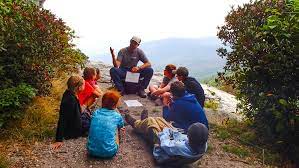
Outdoor education is a powerful tool that goes beyond traditional classroom teaching, offering students a unique opportunity to learn in natural environments. From hiking through lush forests to studying wildlife in their habitats, outdoor education provides a hands-on approach to learning that fosters personal growth, environmental awareness and academic success.
Physical and Mental Well-being
Spending time outdoors has been proven to have numerous health benefits. Fresh air, sunlight and physical activity all contribute to improved physical fitness and mental well-being. Outdoor education encourages students to be active, reducing stress and promoting a healthy lifestyle.
Environmental Awareness
By immersing students in nature, outdoor education instils a sense of appreciation and respect for the environment. Students learn about ecosystems, biodiversity and sustainability first-hand, fostering a connection with the natural world that can inspire them to become stewards of the environment.
Hands-On Learning
Outdoor education provides experiential learning opportunities that engage students in practical tasks and real-life scenarios. Whether conducting field research or participating in team-building activities, students develop critical thinking skills, problem-solving abilities and creativity outside the confines of a classroom.
Social Skills Development
Collaboration and communication are essential skills that are honed through outdoor education. Working together on outdoor challenges builds teamwork, leadership and interpersonal skills. Students learn to trust each other, communicate effectively and overcome obstacles as a group.
Academic Achievement
Studies have shown that outdoor education can enhance academic performance. The hands-on experiences gained through outdoor learning can deepen understanding of subjects such as science, geography and history. By making learning relevant and engaging, outdoor education can improve retention and application of knowledge.
Closing Thoughts
Outdoor education offers a holistic approach to learning that nurtures both the mind and body. By stepping outside the classroom walls, students gain valuable life skills, environmental awareness and academic success. Embracing outdoor education not only enriches educational experiences but also fosters a lifelong love for nature and learning.
Five Essential Tips for Enhancing Outdoor Education Experiences
- Encourage hands-on exploration of the natural environment.
- Incorporate team-building activities to promote collaboration and communication skills.
- Teach outdoor safety practices, such as how to identify plants and animals and navigate using maps or GPS.
- Provide opportunities for reflection and discussion about environmental conservation and sustainability.
- Plan engaging lessons that cater to different learning styles and abilities.
Encourage hands-on exploration of the natural environment.
Encouraging hands-on exploration of the natural environment is a key aspect of outdoor education. By allowing students to immerse themselves in nature through tactile experiences such as touching different plant textures, observing wildlife up close, and feeling the earth beneath their feet, they can develop a deeper connection with the world around them. This direct interaction not only enhances their understanding of ecological concepts but also fosters a sense of wonder and curiosity that sparks a lifelong appreciation for the beauty and complexity of the natural world.
Incorporate team-building activities to promote collaboration and communication skills.
Incorporating team-building activities into outdoor education programmes is a valuable strategy to enhance collaboration and communication skills among students. By engaging in tasks that require teamwork and effective communication, students learn to trust one another, work towards common goals, and navigate challenges together. These activities not only strengthen interpersonal relationships but also foster a sense of unity and camaraderie within the group, preparing students for success in both academic and real-world settings.
Teach outdoor safety practices, such as how to identify plants and animals and navigate using maps or GPS.
In outdoor education, it is crucial to incorporate lessons on safety practices to ensure a positive and secure learning experience. Teaching students how to identify plants and animals not only enhances their understanding of the natural world but also promotes awareness of potential hazards. Additionally, educating them on how to navigate using maps or GPS devices equips them with essential skills for exploring outdoor environments confidently and responsibly. By instilling these safety practices, students can develop a deeper connection with nature while prioritising their well-being and environmental stewardship.
Provide opportunities for reflection and discussion about environmental conservation and sustainability.
Incorporating opportunities for reflection and discussion about environmental conservation and sustainability in outdoor education programmes is crucial for fostering a deeper understanding and appreciation of the natural world. By encouraging students to reflect on their experiences in nature and engage in meaningful conversations about conservation practices, we empower them to become environmentally conscious individuals who are committed to preserving our planet for future generations.
Plan engaging lessons that cater to different learning styles and abilities.
To maximise the benefits of outdoor education, it is essential to plan engaging lessons that cater to various learning styles and abilities. By incorporating hands-on activities, visual aids, group discussions and individual reflections, educators can create a dynamic learning environment that accommodates diverse learners. This approach ensures that every student has the opportunity to engage with the material in a way that resonates with them, promoting active participation and deeper understanding of the subject matter.
Author

manually@ipower.eu
Related Posts

International Tech News: The Latest Innovations Shaping Our World
International Tech News: A Global Perspective on Innovation The world of technology is ever-evolving, with breakthroughs and innovations emerging from every corner...
Read out all
IT Technology News Articles: The Latest Trends, Updates and Insights
IT Technology News Articles: What to Read and Why They Matter Information technology is constantly changing. New software, devices, security threats and...
Read out all
New Technology in the World Today: Innovations Shaping Our Future
Exploring New Technology in the World Today In today’s rapidly evolving world, technology continues to reshape our lives in ways previously unimaginable....
Read out all
Business and Technology News Articles: Key Trends Shaping the Future
The Intersection of Business and Technology: A Modern Renaissance In today’s fast-paced world, the synergy between business and technology is transforming industries...
Read out all
World Technology News Today: Key Developments Shaping Our Future
World Technology News Today World Technology News Today: Innovations and Developments In the rapidly evolving world of technology, today’s headlines are filled...
Read out all
What Do You Mean by Technology? A Simple Guide to Its Meaning and Everyday Uses
What Do You Mean by Technology? Technology is the use of knowledge, tools and techniques to solve problems or make tasks easier....
Read out all