
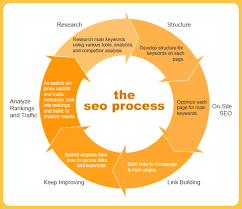
The Art of Search Engine Optimization Writing
Search Engine Optimization (SEO) writing is a powerful tool that can help your content rank higher in search engine results pages. By understanding the principles of SEO writing, you can attract more organic traffic to your website and increase your online visibility.
Key Elements of SEO Writing
Effective SEO writing involves incorporating relevant keywords, creating high-quality content, and structuring your text in a way that is easy for search engines to crawl and index.
Keyword Research
Before you start writing, conduct thorough keyword research to identify the terms and phrases that your target audience is searching for. Use these keywords strategically throughout your content to improve its visibility.
High-Quality Content
Quality is key when it comes to SEO writing. Ensure that your content is well-written, informative, and engaging for readers. Search engines reward websites that provide valuable information to users.
Structure and Formatting
Organise your content into clear sections with descriptive headings. Use bullet points, numbered lists, and subheadings to break up the text and make it easier for readers to scan. This also helps search engines understand the structure of your content.
Tips for Effective SEO Writing
- Write compelling meta descriptions that entice users to click on your link in search results.
- Avoid keyword stuffing – use keywords naturally within your content.
- Create unique and original content that provides value to your audience.
- Optimise images with descriptive alt text and file names.
- Regularly update and refresh your content to keep it relevant and current.
In conclusion, mastering the art of SEO writing can significantly enhance the visibility of your website in search engine results. By following best practices, creating high-quality content, and staying up-to-date with algorithm changes, you can drive organic traffic to your site and reach a wider audience online.
9 Essential Tips for Effective Search Engine Optimisation Writing
- Research relevant keywords for your content.
- Create high-quality and engaging content for readers.
- Use headings and subheadings to structure your content.
- Optimize meta tags, including title tags and meta descriptions.
- Incorporate internal and external links in your content.
- Ensure your website is mobile-friendly for better SEO performance.
- Regularly update and refresh your content to keep it relevant.
- Monitor and analyse your SEO performance using tools like Google Analytics.
- Stay updated with the latest SEO trends and algorithm changes.
Research relevant keywords for your content.
Researching relevant keywords for your content is a crucial step in effective Search Engine Optimization (SEO) writing. By identifying the terms and phrases that your target audience is searching for, you can tailor your content to align with their interests and improve its visibility in search engine results. Incorporating these keywords strategically throughout your text not only helps attract organic traffic to your website but also signals to search engines that your content is relevant and valuable to users.
Create high-quality and engaging content for readers.
Creating high-quality and engaging content is a fundamental aspect of effective search engine optimization writing. By crafting content that is informative, well-written, and tailored to the needs of your target audience, you not only improve your website’s visibility in search engine results but also establish credibility and trust with your readers. Engaging content that resonates with users encourages them to spend more time on your site, reduces bounce rates, and increases the likelihood of them returning for more valuable information in the future. Ultimately, prioritising quality over quantity when it comes to content creation is key to building a strong online presence and driving organic traffic to your website.
Use headings and subheadings to structure your content.
Using headings and subheadings to structure your content is a crucial tip in search engine optimization writing. By organising your text into clear sections with descriptive headings, you not only make it easier for readers to navigate and understand your content but also help search engines better comprehend the context and relevance of your information. Headings and subheadings act as signposts that guide both users and search engine crawlers through your content, improving readability and enhancing the overall user experience on your website.
Optimize meta tags, including title tags and meta descriptions.
Optimising meta tags, such as title tags and meta descriptions, is a crucial aspect of effective search engine optimisation (SEO) writing. Title tags provide a concise and descriptive summary of the content on a webpage, helping search engines understand the relevance of the page to specific queries. Meta descriptions, on the other hand, serve as a brief snippet that appears in search results, influencing users’ decision to click on a link. By crafting compelling and keyword-rich meta tags, writers can enhance their content’s visibility and attract more organic traffic to their website.
Incorporate internal and external links in your content.
To enhance the SEO performance of your content, it is essential to incorporate both internal and external links strategically. Internal links help search engines navigate your website and establish a hierarchy of information, while external links to reputable sources can boost your credibility and authority in the eyes of search engines. By including a mix of relevant internal and external links in your content, you not only improve user experience but also signal to search engines the value and reliability of your website.
Ensure your website is mobile-friendly for better SEO performance.
Ensuring that your website is mobile-friendly is essential for improving your SEO performance. With a growing number of users accessing the internet on their mobile devices, search engines prioritise mobile-friendly websites in their rankings. By optimising your site for mobile users, you provide a better user experience, reduce bounce rates, and increase the likelihood of higher search engine rankings. Mobile responsiveness is not just a trend but a crucial factor in attracting and retaining visitors, ultimately boosting your website’s visibility and performance in search results.
Regularly update and refresh your content to keep it relevant.
To maintain relevance and improve search engine rankings, it is crucial to regularly update and refresh your content. By keeping your articles, blog posts, and web pages up-to-date with the latest information and trends, you demonstrate to search engines that your site is active and valuable to users. Fresh content not only engages your audience but also signals to search algorithms that your website is a reliable source of information, ultimately boosting your visibility and organic traffic over time.
Monitor and analyse your SEO performance using tools like Google Analytics.
To enhance your search engine optimization writing strategy, it is crucial to monitor and analyse your SEO performance using tools such as Google Analytics. By tracking key metrics like website traffic, user behaviour, and keyword performance, you can gain valuable insights into the effectiveness of your content and make informed decisions to improve your search engine rankings. Regularly reviewing this data allows you to identify areas for improvement, refine your SEO tactics, and ultimately drive more organic traffic to your website.
Stay updated with the latest SEO trends and algorithm changes.
Staying updated with the latest SEO trends and algorithm changes is crucial for maintaining the effectiveness of your SEO writing strategy. Search engines constantly evolve their algorithms to deliver more relevant and valuable results to users. By staying informed about these changes, you can adapt your content creation approach to align with current best practices, ensuring that your website remains competitive in search engine rankings and continues to attract organic traffic.
Author

manually@ipower.eu
Related Posts

Exploring the Exciting Frontier of Cutting-Edge New Technology Developments
The Rise of Cutting-Edge Technology: A Glimpse into the Future In today’s fast-paced world, technology is evolving at an unprecedented rate. From...
Read out all
Today’s Latest Information Technology News Updates
Information Technology News Today Information Technology News Today The world of information technology is ever-evolving, with breakthroughs and innovations emerging at a...
Read out all
Balancing Environment Development and Sustainability for a Greener Future
Environment Development and Sustainability The Importance of Environment Development and Sustainability In today’s world, the pressing issues of environmental degradation and climate...
Read out all
Exploring the Dynamic World of Technology News
The Latest in Technology News The Latest in Technology News Technology is ever-evolving, and staying up-to-date with the latest trends and innovations...
Read out all
Exploring the Latest in Technical News: Stay Informed and Empowered
Stay Updated with the Latest in Technical News In today’s fast-paced world, keeping up with the latest technical news is more important...
Read out all
The Technological Evolution of Newspaper Industry: Embracing Newspaper Tech for the Digital Age
The Evolution of Newspaper Technology The Evolution of Newspaper Technology Newspapers have been a cornerstone of information dissemination for centuries, evolving alongside...
Read out all