
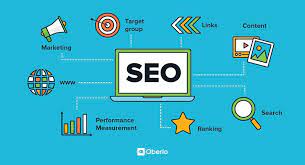
The Power of Search Engine Optimization (SEO)
Search Engine Optimization, commonly known as SEO, is a fundamental aspect of digital marketing that can significantly impact the online visibility and success of a website. In today’s highly competitive digital landscape, mastering the art of SEO is essential for businesses and individuals looking to enhance their online presence and reach their target audience effectively.
What is SEO?
SEO refers to the practice of optimizing a website’s content, structure, and technical elements to improve its ranking on search engine results pages (SERPs). By implementing SEO strategies, websites can attract more organic traffic from search engines like Google, Bing, and Yahoo.
The Importance of SEO
Effective SEO can have a profound impact on a website’s visibility, credibility, and ultimately its success. Here are some key reasons why SEO is crucial:
- Increased Visibility: By improving your website’s ranking on SERPs, you increase the likelihood of attracting more organic traffic.
- Targeted Traffic: SEO helps you target specific keywords and phrases relevant to your business or content, ensuring that you reach your desired audience.
- Enhanced User Experience: Optimizing your website for search engines often leads to improvements in user experience, such as faster loading times and mobile responsiveness.
- Builds Credibility: Websites that rank higher in search results are perceived as more credible and trustworthy by users.
Key Elements of SEO
Effective SEO involves a combination of on-page optimization (e.g., keyword research, meta tags, content optimization) and off-page optimization (e.g., link building, social media signals). Here are some key elements to consider when implementing an SEO strategy:
- Keyword Research: Identify relevant keywords that your target audience is likely to use when searching for information related to your website.
- Content Quality: Create high-quality, engaging content that provides value to users and incorporates targeted keywords naturally.
- Link Building: Acquire backlinks from reputable websites to improve your site’s authority and credibility in the eyes of search engines.
- Technical Optimization: Ensure that your website is technically sound by optimizing factors such as site speed, mobile-friendliness, and crawlability.
The Future of SEO
In an ever-evolving digital landscape, staying ahead of the curve in terms of SEO practices is crucial. As search engines continue to refine their algorithms and user behaviour evolves, adapting your SEO strategy accordingly will be key to maintaining online visibility and relevance.
In conclusion, mastering the art of SEO is essential for anyone looking to succeed in the competitive world of digital marketing. By understanding the principles of SEO and implementing effective strategies, you can enhance your online presence, attract more targeted traffic, and ultimately achieve your business goals.
Understanding SEO: Key Questions Answered About Search Engine Optimisation
- Is geo replacing SEO?
- What is an example of SEO?
- What is SEO and optimization?
- Which is better SEO or SEM?
- What are the 4 types of SEO?
- What are the 3 types of SEO?
- What is the difference between search engine optimization and SEO?
Is geo replacing SEO?
The question of whether geo is replacing SEO is a common one in the realm of digital marketing. While geo-targeting plays a significant role in reaching specific local audiences, it does not replace the broader scope of SEO. Geo-targeting focuses on tailoring content and ads to users based on their location, while SEO encompasses a wider range of strategies to improve a website’s visibility and ranking on search engine results pages. Both geo-targeting and SEO are valuable tools that can work hand-in-hand to enhance online presence and reach the right audience effectively.
What is an example of SEO?
An example of SEO in action would be a local bakery implementing targeted keywords related to their products and services on their website, such as “freshly baked pastries” or “artisanal bread in London.” By optimising their website content with these keywords, the bakery increases its chances of appearing higher in search engine results when potential customers search for terms like “best bakery near me” or “delicious cakes in London.” This strategic use of SEO helps the bakery attract more relevant traffic and ultimately drive more footfall to their physical store.
What is SEO and optimization?
SEO, short for Search Engine Optimization, is a strategic process aimed at improving a website’s visibility and ranking on search engine results pages (SERPs). It involves various techniques and practices to enhance a website’s relevance to specific keywords or phrases that users commonly search for. Optimization, in the context of SEO, refers to the systematic refinement of a website’s content, structure, and technical aspects to align with search engine algorithms and user intent. By implementing SEO and optimization strategies effectively, websites can attract more organic traffic, increase their online presence, and ultimately achieve their digital marketing goals.
Which is better SEO or SEM?
When considering the question of whether SEO or SEM is better, it’s important to understand that both strategies play distinct yet complementary roles in a comprehensive digital marketing strategy. SEO (Search Engine Optimization) focuses on optimizing a website’s organic visibility through techniques like content optimization and link building, aiming to improve its ranking on search engine results pages (SERPs) over time. On the other hand, SEM (Search Engine Marketing) involves paid advertising strategies, such as Google Ads, to drive immediate traffic and visibility through targeted ads. The choice between SEO and SEM often depends on specific goals, budget considerations, and timeline requirements. While SEO offers long-term benefits and sustainable growth, SEM can deliver quick results and targeted exposure. Ultimately, the best approach is often a combination of both SEO and SEM to maximise online visibility and achieve marketing objectives effectively.
What are the 4 types of SEO?
When it comes to Search Engine Optimization (SEO), understanding the different types is crucial for implementing an effective strategy. The four main types of SEO include on-page SEO, off-page SEO, technical SEO, and local SEO. On-page SEO focuses on optimizing individual web pages with relevant content and keywords. Off-page SEO involves building backlinks and enhancing a website’s authority through external sources. Technical SEO deals with the technical aspects of a website to improve its crawling and indexing by search engines. Lastly, local SEO targets geographically specific searches to help businesses attract local customers effectively. By utilising these four types of SEO harmoniously, websites can enhance their online visibility and attract targeted traffic.
What are the 3 types of SEO?
When it comes to Search Engine Optimization (SEO), there are three main types that are commonly distinguished: 1) On-Page SEO, which involves optimizing individual web pages to improve their search engine rankings and attract organic traffic through factors like keyword usage, meta tags, and content quality; 2) Off-Page SEO, which focuses on external factors such as backlinks, social signals, and online reputation management to enhance a website’s authority and credibility in the eyes of search engines; and 3) Technical SEO, which deals with the technical aspects of a website like site speed, mobile-friendliness, and crawlability to ensure optimal performance and user experience. Understanding these three types of SEO is essential for developing a comprehensive strategy to improve a website’s visibility and ranking on search engine results pages.
What is the difference between search engine optimization and SEO?
One commonly asked question in the realm of search engine optimization (SEO) is the distinction between “search engine optimization” and “SEO.” While the terms may seem interchangeable, they essentially refer to the same concept of enhancing a website’s visibility on search engine results pages. “Search engine optimization” is the full term, while “SEO” is simply an acronym commonly used to represent this practice. Both terms encompass strategies and techniques aimed at improving a website’s ranking in search engine results through various means such as keyword research, content optimization, and link building. Understanding this subtle difference can help individuals navigate the world of digital marketing more effectively.
Author

manually@ipower.eu
Related Posts

Exploring the Exciting Frontier of Cutting-Edge New Technology Developments
The Rise of Cutting-Edge Technology: A Glimpse into the Future In today’s fast-paced world, technology is evolving at an unprecedented rate. From...
Read out all
Today’s Latest Information Technology News Updates
Information Technology News Today Information Technology News Today The world of information technology is ever-evolving, with breakthroughs and innovations emerging at a...
Read out all
Balancing Environment Development and Sustainability for a Greener Future
Environment Development and Sustainability The Importance of Environment Development and Sustainability In today’s world, the pressing issues of environmental degradation and climate...
Read out all
Exploring the Dynamic World of Technology News
The Latest in Technology News The Latest in Technology News Technology is ever-evolving, and staying up-to-date with the latest trends and innovations...
Read out all
Exploring the Latest in Technical News: Stay Informed and Empowered
Stay Updated with the Latest in Technical News In today’s fast-paced world, keeping up with the latest technical news is more important...
Read out all
The Technological Evolution of Newspaper Industry: Embracing Newspaper Tech for the Digital Age
The Evolution of Newspaper Technology The Evolution of Newspaper Technology Newspapers have been a cornerstone of information dissemination for centuries, evolving alongside...
Read out all