
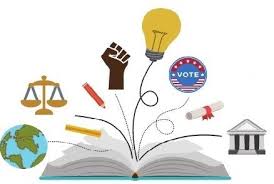
The Importance of Civic Education
Civic education plays a crucial role in shaping responsible and informed citizens who actively participate in the democratic process. It encompasses a range of knowledge and skills that empower individuals to understand their rights, duties, and responsibilities within society.
Key Aspects of Civic Education
One fundamental aspect of civic education is understanding the structure and functions of government at local, national, and international levels. This includes learning about the separation of powers, the rule of law, and the importance of checks and balances in a democratic system.
Furthermore, civic education teaches individuals about their rights as citizens, such as freedom of speech, assembly, and religion. It also emphasises the importance of respecting the rights of others and promoting equality and social justice.
Benefits of Civic Education
By promoting civic education, societies can cultivate a culture of active citizenship where individuals are engaged in public affairs and contribute to the common good. Informed citizens are more likely to participate in elections, advocate for social change, and hold elected officials accountable.
Moreover, civic education fosters critical thinking skills and encourages individuals to question authority, analyse information critically, and make informed decisions based on evidence. This helps combat misinformation and strengthens democracy by promoting an informed electorate.
Challenges Facing Civic Education
Despite its importance, civic education faces challenges such as inadequate funding, curriculum limitations, and varying levels of emphasis across educational systems. In some cases, political pressures may influence the content taught in civic education programmes, leading to biased or incomplete information.
Conclusion
In conclusion, civic education is essential for nurturing active citizenship and preserving democratic values. By equipping individuals with the knowledge and skills needed to engage meaningfully in society, civic education paves the way for a more inclusive, just, and participatory democracy.
Enhancing Society: The Benefits of Civic Education for Empowered Citizenship and Democracy
- Promotes active citizenship and civic engagement
- Empowers individuals to understand their rights and responsibilities
- Fosters critical thinking skills and informed decision-making
- Encourages participation in democratic processes and elections
- Strengthens social cohesion and promotes equality and justice
- Helps combat misinformation and promote a more informed electorate
Challenges and Controversies in Civic Education: Addressing Bias, Resource Limitations, and Access Inequality
- Civic education may be perceived as politically biased, depending on the perspectives presented.
- Some individuals may view civic education as indoctrination rather than a means of fostering critical thinking.
- Limited resources and funding can hinder the implementation of comprehensive civic education programmes.
- Curriculum constraints may restrict the depth and breadth of topics covered in civic education courses.
- Engagement in civic education could vary based on socio-economic factors, leading to unequal access to knowledge and skills.
- Resistance from certain groups or individuals towards civic education initiatives may impede their effectiveness.
Promotes active citizenship and civic engagement
Civic education plays a vital role in promoting active citizenship and civic engagement by empowering individuals with the knowledge and skills needed to participate effectively in society. By fostering a sense of responsibility towards one’s community and encouraging individuals to take an active role in public affairs, civic education helps cultivate a culture of engagement and participation. Through understanding their rights, duties, and responsibilities as citizens, individuals are more likely to contribute to the betterment of society, advocate for social change, and hold elected officials accountable, ultimately strengthening the fabric of democracy.
Empowers individuals to understand their rights and responsibilities
One of the key benefits of civic education is that it empowers individuals to gain a comprehensive understanding of their rights and responsibilities within society. By educating citizens on fundamental principles such as freedom of speech, equality, and the rule of law, civic education equips individuals with the knowledge needed to actively participate in democracy, advocate for social justice, and contribute positively to their communities. This empowerment fosters a sense of civic duty and encourages individuals to uphold their rights while fulfilling their responsibilities as engaged and informed members of society.
Fosters critical thinking skills and informed decision-making
One of the key benefits of civic education is its ability to foster critical thinking skills and promote informed decision-making among individuals. By encouraging citizens to analyse information critically, question authority, and evaluate evidence objectively, civic education empowers individuals to make well-informed choices that align with their values and the common good. This emphasis on critical thinking not only strengthens democracy by creating an informed and engaged electorate but also equips individuals with the skills necessary to navigate complex societal issues with clarity and purpose.
Encourages participation in democratic processes and elections
Encouraging participation in democratic processes and elections is a key benefit of civic education. By educating individuals about the importance of their voice in shaping government decisions, civic education empowers citizens to actively engage in the electoral process, vote for representatives who align with their values, and hold elected officials accountable. This increased participation not only strengthens democracy but also ensures that diverse perspectives are represented in governance, leading to more inclusive and responsive decision-making.
Strengthens social cohesion and promotes equality and justice
Civic education serves as a powerful tool in strengthening social cohesion by fostering a sense of community and shared responsibility among citizens. By promoting equality and justice, civic education empowers individuals to advocate for fairness and inclusivity within society. Through an understanding of democratic principles and the importance of upholding human rights, civic education encourages active participation in creating a more equitable and just world for all members of the community.
Helps combat misinformation and promote a more informed electorate
Civic education serves as a powerful tool in combating misinformation and cultivating a more informed electorate. By equipping individuals with critical thinking skills and the ability to analyse information objectively, civic education empowers citizens to discern fact from fiction, question sources of information, and make well-informed decisions. In a world where misinformation can spread rapidly through social media and other channels, promoting civic education is essential for creating a society where truth and knowledge prevail over falsehoods and manipulation.
Civic education may be perceived as politically biased, depending on the perspectives presented.
Civic education, while crucial in fostering informed citizenship, can face criticism for potential political bias in the perspectives it presents. Depending on the content and delivery of civic education programmes, individuals may perceive certain viewpoints as favouring specific political ideologies or agendas. This perceived bias can undermine the objective nature of civic education and raise concerns about the impartiality of information provided to learners. Addressing these challenges requires a balanced and inclusive approach that encourages critical thinking and diverse perspectives to ensure that civic education remains a tool for empowering citizens without promoting any particular political stance.
Some individuals may view civic education as indoctrination rather than a means of fostering critical thinking.
Some individuals may perceive civic education as a form of indoctrination rather than a tool for fostering critical thinking. This concern arises from the fear that certain ideologies or beliefs may be imposed on students without allowing them to question or evaluate alternative perspectives. It is crucial for civic education programmes to strike a balance between imparting knowledge about civic responsibilities and encouraging independent thinking, ensuring that students are empowered to form their own informed opinions rather than simply accepting prescribed viewpoints. Addressing this con involves promoting open dialogue, encouraging debate, and emphasising the importance of examining issues from multiple angles to cultivate a culture of intellectual freedom within civic education.
Limited resources and funding can hinder the implementation of comprehensive civic education programmes.
Limited resources and funding present a significant challenge to the effective implementation of comprehensive civic education programmes. When educational institutions lack the necessary financial support, they may struggle to provide students with access to quality learning materials, professional development for teachers, and experiential learning opportunities. As a result, students may not receive the depth of civic education needed to develop critical thinking skills, engage in informed decision-making, and actively participate in democratic processes. The scarcity of resources can impede the holistic development of civic-minded individuals and hinder efforts to cultivate a well-informed and engaged citizenry.
Curriculum constraints may restrict the depth and breadth of topics covered in civic education courses.
One significant drawback of civic education is the impact of curriculum constraints, which can limit the scope and depth of topics explored in civic education courses. These limitations may result in essential aspects of citizenship, such as critical thinking skills, global awareness, and social justice issues, receiving inadequate attention or being overlooked entirely. As a result, students may not receive a comprehensive understanding of the complexities of civic engagement and democratic processes, potentially hindering their ability to become well-informed and active citizens in society.
Engagement in civic education could vary based on socio-economic factors, leading to unequal access to knowledge and skills.
One significant con of civic education is the potential disparity in engagement levels based on socio-economic factors, which can result in unequal access to essential knowledge and skills. Individuals from disadvantaged backgrounds may face barriers such as limited resources, inadequate educational opportunities, and lack of exposure to civic concepts, hindering their ability to fully participate in civic education initiatives. This inequality in access to civic education can perpetuate existing social divides and limit the development of a well-informed and engaged citizenry across all segments of society. Addressing these disparities is crucial to promoting a more inclusive and equitable civic education system that empowers individuals from all backgrounds to actively participate in democratic processes.
Resistance from certain groups or individuals towards civic education initiatives may impede their effectiveness.
Resistance from certain groups or individuals towards civic education initiatives may impede their effectiveness by creating barriers to the dissemination of crucial information and skills needed for active citizenship. When specific groups or individuals oppose civic education, it can lead to a lack of understanding, apathy towards civic responsibilities, and a diminished sense of community engagement. This resistance hinders the collective effort to build a more informed and participatory society, ultimately limiting the potential impact of civic education programmes on fostering democratic values and promoting social cohesion.
Author

manually@ipower.eu
Related Posts

Balancing Environment Development and Sustainability for a Greener Future
Environment Development and Sustainability The Importance of Environment Development and Sustainability In today’s world, the pressing issues of environmental degradation and climate...
Read out all
Exploring the Dynamic World of Technology News
The Latest in Technology News The Latest in Technology News Technology is ever-evolving, and staying up-to-date with the latest trends and innovations...
Read out all
Exploring the Latest in Technical News: Stay Informed and Empowered
Stay Updated with the Latest in Technical News In today’s fast-paced world, keeping up with the latest technical news is more important...
Read out all
The Technological Evolution of Newspaper Industry: Embracing Newspaper Tech for the Digital Age
The Evolution of Newspaper Technology The Evolution of Newspaper Technology Newspapers have been a cornerstone of information dissemination for centuries, evolving alongside...
Read out all
Unlock Your Fitness Potential with an Energising Jump Rope Workout Routine
The Benefits of Jump Rope Workout The Benefits of Jump Rope Workout Jump rope, a simple and effective exercise tool, has been...
Read out all
Navigating the Technological Landscape: Insightful Articles on the Latest Tech Trends
The Evolution of Technology Articles: From Gadgets to Game-Changers Technology has become an integral part of our daily lives, shaping the way...
Read out all