
The Benefits of Aerobic Fitness
Aerobic fitness, also known as cardiovascular fitness, refers to the body’s ability to efficiently transport and utilize oxygen during physical activity. Engaging in aerobic exercise has numerous benefits for both physical and mental health.
Improved Heart Health
Regular aerobic exercise strengthens the heart muscle, allowing it to pump blood more efficiently. This leads to a lower resting heart rate and improved circulation, reducing the risk of heart disease and other cardiovascular conditions.
Weight Management
Aerobic activities such as running, cycling, or swimming help burn calories and fat, aiding in weight loss or maintenance. Combined with a balanced diet, aerobic fitness can contribute to achieving and sustaining a healthy weight.
Increased Endurance
Enhanced aerobic fitness improves endurance levels, allowing individuals to sustain physical activity for longer periods without feeling fatigued. This can be beneficial for daily tasks, sports performance, and overall quality of life.
Mood Enhancement
Engaging in aerobic exercise releases endorphins, often referred to as “feel-good” hormones. This can help reduce stress, anxiety, and symptoms of depression while promoting a positive mood and mental well-being.
Improved Lung Function
Aerobic activities strengthen respiratory muscles and increase lung capacity. This results in improved oxygen uptake and better overall lung function, enhancing endurance and performance during physical exertion.
Understanding Aerobic Fitness: Key Questions Answered
- What is aerobic fitness?
- What are the benefits of aerobic fitness?
- How often should I engage in aerobic exercise for optimal fitness?
- Which activities qualify as aerobic exercises?
- Can aerobic fitness help with weight loss?
What is aerobic fitness?
Aerobic fitness, often referred to as cardiovascular fitness, encompasses the body’s ability to efficiently transport and utilise oxygen during physical activity. It involves engaging in aerobic exercises that elevate the heart rate and breathing rate over a sustained period. These activities, such as running, swimming, or cycling, help strengthen the heart and lungs, improve circulation, and enhance overall endurance. Aerobic fitness plays a crucial role in maintaining a healthy cardiovascular system, managing weight, boosting mood through endorphin release, and increasing lung capacity. Embracing aerobic exercise as part of a regular fitness routine can lead to numerous health benefits and contribute to a healthier lifestyle.
What are the benefits of aerobic fitness?
Aerobic fitness offers a myriad of benefits that positively impact both physical and mental well-being. Engaging in regular aerobic exercise, such as running, cycling, or swimming, can significantly improve heart health by strengthening the heart muscle and enhancing circulation. This, in turn, reduces the risk of cardiovascular diseases. Additionally, aerobic fitness plays a crucial role in weight management by burning calories and fat, aiding in weight loss or maintenance when combined with a healthy diet. Improved endurance levels and increased lung function are also notable advantages of aerobic fitness, contributing to enhanced overall health and quality of life. Furthermore, the release of endorphins during aerobic exercise can uplift mood, alleviate stress and anxiety, and promote mental wellness.
How often should I engage in aerobic exercise for optimal fitness?
To achieve optimal fitness through aerobic exercise, it is recommended to engage in such activities for at least 150 minutes per week, spread out over several days. This translates to around 30 minutes of moderate-intensity aerobic exercise on most days of the week. However, individuals can adjust the duration and intensity based on their fitness goals and current level of physical activity. Consistency is key when it comes to reaping the benefits of aerobic fitness, so finding a routine that is sustainable and enjoyable is crucial for long-term success. Remember to listen to your body, gradually increase intensity over time, and consult with a healthcare professional or fitness expert if you have any specific health concerns or conditions.
Which activities qualify as aerobic exercises?
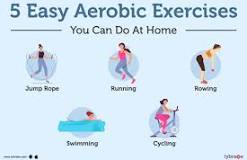
When considering which activities qualify as aerobic exercises, it is important to focus on those that elevate the heart rate and require sustained physical effort. Common examples of aerobic exercises include running, cycling, swimming, brisk walking, dancing, and aerobics classes. These activities engage large muscle groups and increase oxygen consumption, promoting cardiovascular fitness. Additionally, sports such as football, basketball, and tennis can also provide aerobic benefits when played at a moderate to high intensity. The key is to choose activities that keep you moving continuously and challenge your cardiovascular system to improve aerobic capacity.
Can aerobic fitness help with weight loss?
A common query regarding aerobic fitness is whether it can aid in weight loss. The answer is a resounding yes. Engaging in regular aerobic exercise, such as running, cycling, or swimming, can be an effective component of a weight loss regimen. Aerobic activities help burn calories and fat, contributing to creating a calorie deficit necessary for weight loss. When combined with a balanced diet, aerobic fitness not only promotes shedding excess pounds but also helps in maintaining a healthy weight over time. Consistency and commitment to aerobic exercise can play a significant role in achieving weight loss goals and improving overall health and well-being.
Author

manually@ipower.eu
Related Posts

Today’s Latest Information Technology News Updates
Information Technology News Today Information Technology News Today The world of information technology is ever-evolving, with breakthroughs and innovations emerging at a...
Read out all
Balancing Environment Development and Sustainability for a Greener Future
Environment Development and Sustainability The Importance of Environment Development and Sustainability In today’s world, the pressing issues of environmental degradation and climate...
Read out all
Exploring the Dynamic World of Technology News
The Latest in Technology News The Latest in Technology News Technology is ever-evolving, and staying up-to-date with the latest trends and innovations...
Read out all
Exploring the Latest in Technical News: Stay Informed and Empowered
Stay Updated with the Latest in Technical News In today’s fast-paced world, keeping up with the latest technical news is more important...
Read out all
The Technological Evolution of Newspaper Industry: Embracing Newspaper Tech for the Digital Age
The Evolution of Newspaper Technology The Evolution of Newspaper Technology Newspapers have been a cornerstone of information dissemination for centuries, evolving alongside...
Read out all
Unlock Your Fitness Potential with an Energising Jump Rope Workout Routine
The Benefits of Jump Rope Workout The Benefits of Jump Rope Workout Jump rope, a simple and effective exercise tool, has been...
Read out all