
Understanding Data Science and Analytics: The Heart of Modern Decision-Making
In today’s digital age, data has become the new oil, powering industries and driving innovation across the globe. At the centre of this revolution lies data science and analytics, fields that transform raw data into valuable insights. But what exactly are data science and analytics, and why are they so crucial?
What is Data Science?
Data science is an interdisciplinary field that uses scientific methods, processes, algorithms, and systems to extract knowledge and insights from structured and unstructured data. It combines aspects of statistics, computer science, mathematics, and domain expertise to analyse large datasets.
The role of a data scientist involves not just collecting and cleaning data but also developing models that can predict future trends or behaviours. These models help organisations make informed decisions by providing a deeper understanding of patterns hidden within the data.
The Role of Analytics
Analytics refers to the systematic computational analysis of data or statistics. It is often used in conjunction with data science to interpret complex datasets. Analytics can be descriptive (what happened?), diagnostic (why did it happen?), predictive (what will happen?), or prescriptive (what should we do about it?).
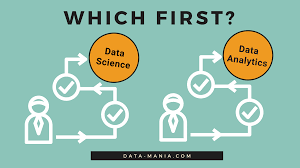
While data science focuses on creating algorithms to process information, analytics emphasises interpreting these results to make actionable business decisions. Together, they form a powerful combination that helps organisations optimise operations, enhance customer experiences, and innovate products.
The Importance of Data Science and Analytics
- Informed Decision-Making: By leveraging insights derived from data analysis, businesses can make decisions based on evidence rather than intuition alone.
- Competitive Advantage: Organisations that effectively utilise their data can gain a significant edge over competitors by identifying market trends early or optimising their operations efficiently.
- Personalisation: In industries like retail or entertainment, understanding consumer behaviour through analytics allows for personalised marketing strategies that enhance customer satisfaction.
- Risk Management: Predictive analytics helps in forecasting potential risks or frauds before they occur, allowing companies to take proactive measures.
The Future of Data Science and Analytics
The fields of data science and analytics are continually evolving with advancements in technology such as artificial intelligence (AI) and machine learning (ML). These technologies enable more sophisticated analyses at unprecedented speeds. As more devices become interconnected through the Internet of Things (IoT), the volume of available data will continue to grow exponentially.
This growth presents both challenges—such as ensuring privacy—and opportunities for those skilled in navigating this complex landscape. As such, professionals skilled in these areas are in high demand across various sectors including finance, healthcare, technology startups as well as traditional industries like manufacturing or logistics.
Conclusion
Data science and analytics are no longer optional but essential components for modern businesses looking to thrive amidst fierce competition. By harnessing the power hidden within their datasets effectively using these disciplines’ tools & techniques; organisations not only survive but flourish—driving innovation & delivering value at every turn!
Understanding Data Science and Analytics: Key Questions Answered
- What is data science and analytics?
- How are data science and analytics used in business?
- What skills are required to work in data science and analytics?
- What are the common tools and technologies used in data science and analytics?
- What is the difference between data science and analytics?
- How can organisations benefit from implementing data science and analytics?
What is data science and analytics?
Data science and analytics encompass a broad spectrum of methodologies and tools aimed at extracting actionable insights from data. Data science involves the application of statistical analysis, machine learning algorithms, and domain expertise to uncover patterns, trends, and correlations within datasets. On the other hand, analytics focuses on interpreting these findings to drive informed decision-making and strategic planning. Together, these disciplines play a pivotal role in helping organisations leverage their data effectively to gain a competitive edge, enhance operational efficiency, and foster innovation across various industries.
How are data science and analytics used in business?
Data science and analytics play a crucial role in modern business operations by providing valuable insights that drive strategic decision-making. Businesses use data science to extract patterns and trends from large datasets, enabling them to forecast market trends, identify customer preferences, and optimise operational processes. Analytics, on the other hand, helps organisations interpret these insights to make informed decisions that lead to improved efficiency, increased profitability, and enhanced customer experiences. By leveraging data science and analytics, businesses gain a competitive edge by transforming raw data into actionable intelligence that guides their growth and success in today’s dynamic marketplace.
What skills are required to work in data science and analytics?
To excel in the field of data science and analytics, a diverse set of skills is essential. Proficiency in programming languages such as Python, R, or SQL is crucial for data manipulation and analysis. Strong statistical knowledge enables professionals to draw meaningful insights from complex datasets. Additionally, expertise in machine learning algorithms and data visualization tools like Tableau or Power BI is highly valued. Effective communication skills are also vital to convey findings to non-technical stakeholders clearly. Problem-solving abilities, attention to detail, and a curious mindset are further traits that empower individuals to navigate the dynamic landscape of data science and analytics successfully.
What are the common tools and technologies used in data science and analytics?
In the realm of data science and analytics, a frequently asked question revolves around the common tools and technologies utilised in these fields. Data scientists often rely on a diverse array of tools such as programming languages like Python and R for data manipulation and analysis. Additionally, technologies like SQL databases, Hadoop for big data processing, and machine learning libraries such as TensorFlow or scikit-learn play crucial roles in extracting insights from complex datasets. Data visualisation tools like Tableau or Power BI are also commonly employed to present findings in a clear and compelling manner. These tools form the backbone of data science and analytics practices, empowering professionals to unlock the potential hidden within vast amounts of data.
What is the difference between data science and analytics?
When it comes to the distinction between data science and analytics, the key difference lies in their focus and approach. Data science involves the comprehensive process of extracting insights from complex datasets using statistical methods, machine learning algorithms, and domain expertise. On the other hand, analytics primarily revolves around interpreting data to understand trends, patterns, and relationships for making informed business decisions. While data science delves into predictive modelling and algorithm development, analytics emphasises the interpretation of results to drive actionable outcomes. In essence, data science is about uncovering hidden insights within data, whereas analytics is more geared towards leveraging those insights for strategic decision-making purposes.
How can organisations benefit from implementing data science and analytics?
Organisations can reap a multitude of benefits by implementing data science and analytics into their operations. By leveraging these powerful tools, businesses gain the ability to make data-driven decisions that are backed by insights derived from thorough analysis. This leads to improved operational efficiency, better strategic planning, and enhanced customer experiences. Additionally, organisations can identify new opportunities for growth, mitigate risks proactively, and stay ahead of the competition in today’s fast-paced market landscape. Ultimately, embracing data science and analytics empowers organisations to unlock the full potential of their data assets and drive sustainable success in an increasingly data-driven world.
Author

manually@ipower.eu
Related Posts
Exploring the Intersection of Food Science and Technology: Innovations Shaping the Future of Eating
The Fascinating World of Food Science and Technology Food is not just sustenance; it is a complex interplay of chemistry, biology, and...
Read out all
Exploring the Latest Science and Technology News: Innovations That Shape Our Future
Exploring the Latest in Science and Technology In a world that is rapidly evolving, science and technology continue to be at the...
Read out all
Exploring the Intersection of Science and Technology: Innovations Shaping Our Future
The Impact of Science and Technology on Society The Impact of Science and Technology on Society Science and technology have always been...
Read out all
Exploring the Synergy of Environmental Science and Technology for a Sustainable Future
Environmental Science and Technology The Intersection of Environmental Science and Technology In today’s world, the pressing issues of environmental degradation and climate...
Read out all
B.Tech Computer Science: Navigating the Path to Technological Excellence
The Significance of B.Tech Computer Science The Significance of B.Tech Computer Science Computer science is a field that has revolutionised the way...
Read out all
Unleashing Curiosity: The Impact of a Dedicated Science Teacher
The Role of a Science Teacher in Shaping Young Minds Science teachers play a crucial role in the education system, guiding students...
Read out all