
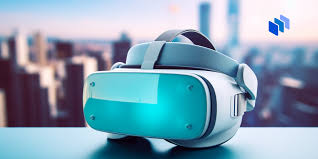
The Evolution of Virtual Reality Technology
Virtual Reality (VR) technology has come a long way since its inception, transforming from a futuristic concept to a tangible reality that is revolutionising various industries. VR immerses users in a computer-generated environment, stimulating their senses and providing an interactive experience that blurs the line between the virtual and physical worlds.
The Origins of VR
The roots of VR can be traced back to the 1950s when Morton Heilig created the Sensorama, an arcade-style theatre cabinet that offered viewers a multisensory film experience. Over the decades, advancements in computer technology paved the way for more sophisticated VR systems, leading to the development of head-mounted displays (HMDs) and interactive simulations.
Applications of VR
Today, VR technology is being utilised across various sectors, including gaming, healthcare, education, and entertainment. In the gaming industry, VR headsets transport players into immersive virtual worlds where they can interact with characters and environments in ways never before possible.
In healthcare, VR is revolutionising medical training by providing realistic simulations for surgical procedures and patient care scenarios. It is also used for treating phobias and post-traumatic stress disorder through exposure therapy in a controlled virtual environment.
The Future of VR
As technology continues to advance, the future of VR looks promising with improvements in resolution, motion tracking, and haptic feedback. The integration of artificial intelligence (AI) and augmented reality (AR) will further enhance the capabilities of VR systems, opening up new possibilities for communication, collaboration, and entertainment.
With ongoing research and development efforts focused on enhancing user experience and reducing hardware costs, VR technology is poised to become more accessible to a wider audience in the coming years. Whether it’s exploring distant planets or training for high-risk scenarios, virtual reality is reshaping how we perceive and interact with the world around us.
Exploring the Benefits of Virtual Reality: From Immersive Entertainment to Industry Transformation
- Immersive experiences transport users to virtual worlds, enhancing entertainment and gaming.
- VR technology revolutionises medical training by providing realistic simulations for surgical procedures.
- Virtual reality offers a safe environment for exposure therapy to treat phobias and PTSD.
- Enhanced learning experiences through interactive educational content and simulations.
- Virtual meetings and collaboration tools improve remote communication and teamwork.
- VR technology has the potential to transform various industries, from architecture to tourism.
Exploring the Drawbacks of Virtual Reality: Health Risks, Costly Equipment, and More
Immersive experiences transport users to virtual worlds, enhancing entertainment and gaming.
Immersive experiences offered by virtual reality technology have the remarkable ability to transport users to virtual worlds, enriching their entertainment and gaming experiences like never before. By donning a VR headset, individuals can escape the confines of reality and delve into captivating realms where they can interact with environments and characters in a truly immersive manner. This heightened level of engagement not only enhances the entertainment value but also opens up new dimensions of storytelling and gameplay that blur the boundaries between fiction and reality.
VR technology revolutionises medical training by providing realistic simulations for surgical procedures.
Virtual Reality (VR) technology revolutionises medical training by offering immersive and realistic simulations for surgical procedures. Through VR simulations, medical professionals can practice intricate surgical techniques in a safe and controlled environment, allowing them to hone their skills without the risks associated with traditional training methods. This innovative approach not only enhances the proficiency of surgeons but also improves patient safety by ensuring that healthcare providers are well-prepared and competent in performing complex surgeries.
Virtual reality offers a safe environment for exposure therapy to treat phobias and PTSD.
Virtual reality technology provides a safe and controlled environment for exposure therapy, making it a valuable tool in the treatment of phobias and post-traumatic stress disorder (PTSD). By immersing individuals in virtual scenarios that trigger their fears or traumatic memories, VR therapy allows them to confront and process their emotions in a controlled setting. This innovative approach not only enhances the effectiveness of traditional therapy but also provides a safe space for individuals to gradually overcome their anxieties and traumas, leading to improved mental well-being and quality of life.
Enhanced learning experiences through interactive educational content and simulations.
Virtual Reality (VR) technology offers enhanced learning experiences through interactive educational content and simulations. By immersing learners in realistic virtual environments, VR enables them to engage actively with the subject matter, enhancing their understanding and retention of information. From exploring historical landmarks to conducting complex scientific experiments, VR provides a hands-on approach to learning that sparks curiosity and fosters critical thinking skills. This innovative use of technology not only makes education more engaging but also opens up new possibilities for personalised and adaptive learning experiences tailored to individual needs and preferences.
Virtual meetings and collaboration tools improve remote communication and teamwork.
Virtual reality technology offers a substantial advantage in enhancing remote communication and teamwork through virtual meetings and collaboration tools. By creating immersive environments that simulate face-to-face interactions, VR bridges the gap between team members located in different geographical locations. This innovation allows for more engaging and productive discussions, fostering a sense of presence and connection that traditional video conferencing tools may lack. Team members can collaborate on projects, share ideas, and work together in real-time, leading to improved efficiency and effectiveness in remote work settings.
VR technology has the potential to transform various industries, from architecture to tourism.
Virtual Reality (VR) technology holds immense potential to revolutionise diverse industries, ranging from architecture to tourism. In the field of architecture, VR enables designers and clients to visualise and experience architectural designs in a realistic virtual environment before any physical construction takes place, enhancing communication and decision-making processes. In the tourism sector, VR offers immersive virtual tours of destinations, historical sites, and attractions, allowing travellers to preview their itineraries and experience destinations from the comfort of their homes. By providing interactive and engaging experiences, VR technology is reshaping how industries approach design, communication, and customer engagement.
1. Health Risks
Prolonged use of VR headsets can pose health risks to users, including discomfort, eye strain, and motion sickness. The immersive nature of virtual reality technology can sometimes lead to a disconnect between the visual stimuli experienced in the virtual world and the physical movements of the body, causing dizziness and nausea for some individuals. It is essential for users to take regular breaks and adjust their usage habits to mitigate these potential side effects associated with prolonged exposure to VR environments.
2. Costly Equipment
High-quality VR systems can be prohibitively expensive, posing a significant barrier to entry for individuals with limited financial resources. The cost of purchasing top-of-the-line VR equipment, including high-resolution headsets and powerful computers, can place a strain on the budgets of those on a tight financial leash. This financial hurdle may prevent many people from experiencing the full potential of virtual reality technology and enjoying its immersive capabilities. As a result, the exclusivity of high costs associated with VR systems limits the accessibility of this innovative technology to a more affluent demographic, leaving others unable to partake in the transformative experiences it offers.
3. Limited Content
Despite advancements in virtual reality (VR) technology, one significant drawback is the limited content available to users. While VR experiences continue to expand and diversify, the library of VR content remains relatively small compared to traditional media platforms. This limitation can hinder the overall appeal and longevity of VR systems, as users may find themselves craving a wider range of experiences and applications to fully immerse themselves in the virtual world. As developers work towards creating more diverse and engaging content, addressing this con will be crucial in ensuring the continued growth and adoption of VR technology in various industries.
4. Social Isolation
One significant drawback of virtual reality technology is the potential for social isolation. While the immersive nature of VR experiences can be captivating, it may also result in reduced face-to-face interactions and diminished engagement in real-world activities. Spending extended periods in virtual environments could lead to a disconnect from the physical world, impacting social relationships and overall well-being. It is essential to strike a balance between virtual experiences and genuine human connections to prevent isolation and maintain a healthy social life.
5. Technical Limitations
One significant drawback of virtual reality technology is the presence of technical limitations. To fully experience VR, users may need access to powerful hardware and a stable internet connection. This requirement can be a barrier for some individuals, especially those with limited resources or living in areas with unreliable internet connectivity. The need for high-end equipment and consistent internet access could restrict the accessibility of VR technology, limiting its potential reach and impact on a broader audience.
Author

manually@ipower.eu