
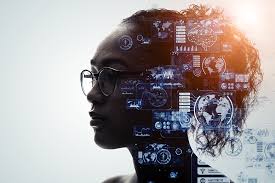
The Rise of Women in Technology
Technology has long been considered a male-dominated industry, but the landscape is changing rapidly. Women are increasingly making their mark in the tech world, breaking barriers and shattering stereotypes along the way.
Challenging the Status Quo
Historically, women have been underrepresented in technology fields, facing challenges such as gender bias, lack of representation, and unequal opportunities. However, today’s women are challenging the status quo and proving that they have just as much to offer in the tech industry.
Empowering Innovators
Women in technology are not only excelling in traditional roles such as software development and engineering but are also leading innovation in areas like artificial intelligence, cybersecurity, and data science. Their unique perspectives and diverse experiences bring fresh ideas to the table, driving progress and pushing boundaries.
Mentorship and Support
Support networks and mentorship programmes play a crucial role in empowering women to pursue careers in technology. By providing guidance, resources, and a sense of community, these initiatives help women navigate challenges, build confidence, and realise their full potential.
Celebrating Success Stories
It is essential to celebrate the achievements of women in technology and showcase their success stories. By highlighting female trailblazers and role models, we inspire future generations of women to pursue their passions in STEM fields and make a lasting impact on the world.
The Future is Female
As we look towards the future of technology, it is clear that women will continue to play a vital role in shaping innovation and driving change. By fostering an inclusive environment that values diversity and empowers all voices, we can create a tech industry that thrives on creativity, collaboration, and equality.
Empowering Women in Technology: Five Key Benefits of Gender Diversity in STEM
- Diverse perspectives lead to more innovative solutions and products.
- Increased representation encourages more girls to pursue careers in technology.
- Women bring unique skills and talents to the tech industry, enhancing teamwork and collaboration.
- Gender diversity fosters a more inclusive and welcoming work environment for all employees.
- Empowering women in technology helps bridge the gender gap and promotes equality in STEM fields.
Challenges Faced by Women in Technology: Addressing Gender Bias and Inequality
- Gender bias and discrimination in the workplace
- Lack of representation in leadership positions
- Unequal pay compared to male counterparts
- Challenges in balancing work and family responsibilities
- Stereotypes and biases affecting career advancement
- Underestimation of skills and abilities based on gender
Diverse perspectives lead to more innovative solutions and products.
The presence of women in technology brings a valuable pro: diverse perspectives that lead to more innovative solutions and products. By including a variety of viewpoints, experiences, and approaches in the tech industry, women contribute fresh ideas and creative insights that can revolutionise how problems are solved and products are developed. This diversity fosters a culture of innovation where different voices are heard, leading to more dynamic and inclusive outcomes that cater to a broader range of needs and preferences.
Increased representation encourages more girls to pursue careers in technology.
Increased representation of women in technology serves as a powerful catalyst for inspiring more girls to pursue careers in this field. When girls see successful female role models excelling in tech-related roles, they are more likely to envision themselves following a similar path. This visibility not only breaks down stereotypes and gender biases but also instils confidence and ambition in young girls, showing them that the tech industry is a place where their skills and talents are valued and can thrive. By fostering a diverse and inclusive environment, we create a future where more girls feel empowered to explore the exciting possibilities that technology has to offer.
Women bring unique skills and talents to the tech industry, enhancing teamwork and collaboration.
Women in the technology sector bring a wealth of unique skills and talents that enrich the industry as a whole. Their diverse perspectives and approaches enhance teamwork and collaboration, fostering innovation and creativity within tech teams. By valuing and harnessing these distinct strengths, women contribute to a more inclusive and dynamic work environment where different ideas are embraced, leading to more effective problem-solving and ultimately driving the industry forward.
Gender diversity fosters a more inclusive and welcoming work environment for all employees.
Gender diversity in the technology sector fosters a more inclusive and welcoming work environment for all employees. By embracing a variety of perspectives, experiences, and ideas, companies benefit from a richer pool of talent that can drive innovation and creativity. When women are represented in technology roles, it not only promotes equality but also creates a culture where individuals feel valued, respected, and empowered to contribute their best work. This inclusive environment encourages collaboration, boosts morale, and ultimately leads to greater success for the organisation as a whole.
Empowering women in technology helps bridge the gender gap and promotes equality in STEM fields.
Empowering women in technology plays a crucial role in bridging the gender gap and promoting equality in STEM fields. By providing women with equal opportunities, support, and recognition in the tech industry, we not only create a more diverse and inclusive workforce but also pave the way for a future where talent and innovation know no gender boundaries. Encouraging women to pursue careers in technology not only benefits individuals but also contributes to a more balanced and equitable society where everyone has the chance to thrive and contribute their unique perspectives to the advancement of science and technology.
Gender bias and discrimination in the workplace
Gender bias and discrimination in the workplace present a significant challenge for women in the technology industry. From unequal pay to limited career advancement opportunities, these systemic issues create barriers that hinder the professional growth and success of female tech professionals. Despite their skills and qualifications, women often face prejudice and stereotypes that undermine their contributions and potential. Addressing gender bias and promoting a culture of equality and inclusivity is essential to creating a more diverse and welcoming environment where all individuals can thrive based on merit rather than gender.
Lack of representation in leadership positions
One significant con faced by women in the technology sector is the lack of representation in leadership positions. Despite making strides in entering the industry, many women still encounter barriers when it comes to advancing to top-level roles. The absence of female leaders not only limits diverse perspectives at decision-making tables but also perpetuates a cycle where aspiring women may struggle to find mentors and role models to guide their career growth. Addressing this issue is crucial for creating a more inclusive and equitable tech industry that harnesses the full potential of talented individuals regardless of gender.
Unequal pay compared to male counterparts
One significant con faced by women in the technology sector is the issue of unequal pay compared to their male counterparts. Despite making significant contributions to the industry, women often find themselves earning less than men in similar roles, creating a disparity that not only undermines their efforts but also perpetuates gender inequality within the workplace. Addressing this pay gap is crucial in ensuring fair treatment and opportunities for all individuals pursuing careers in technology, regardless of gender.
Challenges in balancing work and family responsibilities
Balancing work and family responsibilities poses a significant challenge for many women in the technology sector. Juggling demanding tech roles with caregiving duties can lead to feelings of stress, guilt, and burnout. The expectation to excel in both realms often results in women having to make tough choices between advancing their careers and being present for their families. This conundrum highlights the need for more flexible work policies, supportive workplace cultures, and greater societal recognition of the importance of enabling women to thrive both professionally and personally in the tech industry.
Stereotypes and biases affecting career advancement
Stereotypes and biases surrounding women in technology have long been a significant barrier to their career advancement within the industry. Preconceived notions that women are less capable or less interested in technical roles can hinder their opportunities for growth and progression. These stereotypes often lead to unconscious biases in hiring, promotion, and project assignments, limiting the career trajectories of talented women in technology. Addressing and dismantling these stereotypes and biases is essential to creating a more inclusive and equitable environment where all individuals have the opportunity to thrive based on their skills and merit rather than gender stereotypes.
Underestimation of skills and abilities based on gender
In the realm of technology, a prevalent con faced by women is the pervasive underestimation of their skills and abilities solely based on gender. Despite possessing equal qualifications and expertise, women often find themselves undervalued and overlooked in tech environments, where stereotypes and biases can overshadow their capabilities. This underestimation not only hinders individual career growth but also perpetuates a cycle of inequality that stifles diversity and innovation within the industry. Addressing this issue requires a collective effort to challenge preconceived notions, promote gender equality, and create inclusive spaces where all individuals are recognised for their merit rather than their gender.
Author

manually@ipower.eu
Related Posts

New and Latest Technology: Innovations Shaping the Future
The Latest in Technology: Innovations Shaping Our Future In the fast-paced world of technology, staying up-to-date with the latest innovations is essential....
Read out allUpdates of New Technology: The Latest Innovations Shaping Our Future
Latest Updates in New Technology The world of technology is ever-evolving, with breakthroughs and innovations emerging at a rapid pace. From artificial...
Read out all
Advancement in Technology Articles: Innovations Shaping Our Future
The Evolution of Technology: A Glimpse into the Future In today’s rapidly changing world, technology is advancing at an unprecedented pace. From...
Read out all
Top Technology News Today: The Latest Innovations and Trends
Top Technology News Today Top Technology News Today In the rapidly evolving world of technology, staying informed about the latest developments is...
Read out all
Modern Technology Articles: Innovations Shaping Our Everyday Lives
The Evolution and Impact of Modern Technology Articles In today’s fast-paced digital age, modern technology articles have become a cornerstone for disseminating...
Read out all
English Article About Technology: How Innovation Is Shaping Our Future
The Impact of Technology on Modern Society In the 21st century, technology has become an integral part of everyday life, influencing the...
Read out all