
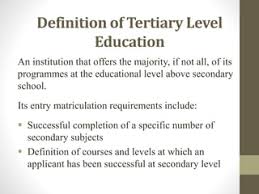
The Importance of Tertiary Education
Tertiary education, also known as higher education, plays a crucial role in shaping individuals and societies. It refers to the level of education that follows secondary schooling and includes undergraduate and postgraduate studies at universities, colleges, and vocational institutions.
One of the key benefits of tertiary education is the acquisition of specialised knowledge and skills in a particular field. This advanced learning equips individuals with the expertise needed to excel in their chosen professions, contributing to personal growth and career advancement.
Besides academic knowledge, tertiary education fosters critical thinking, problem-solving abilities, and creativity. Students are encouraged to question assumptions, analyse information critically, and develop innovative solutions to complex challenges. These skills are invaluable in today’s rapidly changing job market.
Moreover, tertiary education promotes lifelong learning by instilling a thirst for knowledge and intellectual curiosity. It encourages individuals to engage with diverse perspectives, explore new ideas, and continue their educational journey beyond formal qualifications.
From a societal perspective, tertiary education is essential for economic development and social progress. Skilled graduates drive innovation, entrepreneurship, and technological advancements that fuel economic growth. Additionally, educated citizens are more likely to participate in civic life, promote social cohesion, and contribute positively to their communities.
In conclusion, tertiary education is not only a pathway to personal fulfilment and professional success but also a catalyst for societal advancement. By investing in higher education opportunities and supporting lifelong learning initiatives, we can create a brighter future for individuals and communities alike.
Five Key Benefits of Tertiary Education: Advancing Knowledge, Skills, and Societal Progress
- Specialised knowledge and skills acquisition in a chosen field
- Development of critical thinking and problem-solving abilities
- Fostering creativity and innovation
- Promoting lifelong learning and intellectual curiosity
- Driving economic growth and social progress through skilled graduates
Challenges of Tertiary Education: Financial Strain, Accessibility Issues, Career Path Pressure, Job Market Misalignment, and Risk of Burnout
- High cost of tuition fees and associated expenses can create financial burden for students and families.
- Limited access to tertiary education due to competitive entry requirements or lack of available spaces in popular courses.
- Pressure to choose a specific career path early on may lead to indecision, anxiety, or dissatisfaction with chosen field of study.
- Potential mismatch between academic qualifications and job market demands, resulting in underemployment or difficulty securing relevant employment.
- Risk of student burnout from heavy workloads, academic pressure, and balancing extracurricular commitments.
Specialised knowledge and skills acquisition in a chosen field
Specialised knowledge and skills acquisition in a chosen field is a fundamental benefit of tertiary education. By delving deep into a specific area of study, students gain expertise that prepares them for the complexities of their chosen profession. This advanced learning not only enhances their understanding of the subject matter but also equips them with the practical skills needed to excel in their future careers. Through specialised education, individuals can develop a strong foundation in their field of interest, paving the way for personal growth, career advancement, and significant contributions to their respective industries.
Development of critical thinking and problem-solving abilities
Tertiary education plays a pivotal role in nurturing critical thinking and problem-solving abilities among students. Through rigorous academic challenges and real-world applications, higher education empowers individuals to analyse information critically, question assumptions, and develop innovative solutions to complex problems. These skills are not only essential for academic success but also for thriving in an ever-evolving professional landscape where adaptability and creativity are highly valued. By fostering a culture of intellectual curiosity and analytical thinking, tertiary education equips graduates with the tools needed to navigate challenges, make informed decisions, and contribute meaningfully to society.
Fostering creativity and innovation
Tertiary education plays a vital role in fostering creativity and innovation among individuals. By encouraging students to think critically, explore new ideas, and push the boundaries of knowledge, higher education institutions create a fertile ground for groundbreaking discoveries and inventive solutions to complex problems. Through exposure to diverse perspectives and interdisciplinary approaches, tertiary education nurtures a culture of innovation that empowers graduates to drive positive change in their fields and contribute to society’s progress.
Promoting lifelong learning and intellectual curiosity
Tertiary education plays a pivotal role in promoting lifelong learning and intellectual curiosity among individuals. By encouraging students to engage with diverse perspectives, explore new ideas, and pursue knowledge beyond the confines of formal education, tertiary institutions foster a culture of continuous growth and development. This emphasis on lifelong learning not only equips individuals with the skills needed to adapt to an ever-evolving world but also instils a sense of intellectual curiosity that fuels creativity, innovation, and personal enrichment throughout their lives.
Driving economic growth and social progress through skilled graduates
Tertiary education plays a vital role in driving economic growth and social progress by producing skilled graduates who are equipped to innovate, lead, and contribute to various industries. These graduates bring fresh perspectives, expertise, and problem-solving abilities to the workforce, leading to increased productivity and competitiveness. Through their knowledge and skills, they fuel technological advancements, entrepreneurship, and job creation, ultimately boosting economic prosperity. Moreover, educated individuals are more likely to engage in civic activities, promote social cohesion, and address societal challenges, thus fostering a more inclusive and progressive society.
High cost of tuition fees and associated expenses can create financial burden for students and families.
The high cost of tuition fees and associated expenses in tertiary education can pose a significant financial burden for students and their families. With the rising costs of higher education, many individuals may struggle to afford tuition fees, accommodation, textbooks, and other essential resources. This financial strain can lead to increased student debt, limited access to educational opportunities, and added stress for families trying to support their loved ones through their academic pursuits. The affordability of tertiary education remains a pressing issue that requires attention and solutions to ensure that all individuals have equal access to quality higher learning without being overwhelmed by financial constraints.
Limited access to tertiary education due to competitive entry requirements or lack of available spaces in popular courses.
Limited access to tertiary education due to competitive entry requirements or lack of available spaces in popular courses is a significant drawback that hinders many aspiring students from pursuing their desired academic paths. The stringent criteria and limited capacity in high-demand courses create barriers for individuals seeking to further their education, potentially leading to missed opportunities for personal and professional growth. This exclusivity can perpetuate inequalities and restrict access to valuable learning experiences, highlighting the need for more inclusive and accessible pathways to tertiary education for all deserving candidates.
Pressure to choose a specific career path early on may lead to indecision, anxiety, or dissatisfaction with chosen field of study.
The pressure to select a specific career path early on in tertiary education can have detrimental effects on students, potentially leading to indecision, anxiety, or dissatisfaction with their chosen field of study. When individuals are required to make significant career decisions at a young age, they may feel overwhelmed by the weight of these choices and struggle to align their interests and aspirations with a particular profession. This premature commitment can result in feelings of uncertainty and regret, as students may later discover that their chosen career path does not resonate with their true passions or talents. The pressure to conform to societal expectations and secure a lucrative job can overshadow personal growth and exploration, ultimately hindering the holistic development of individuals within the educational system.
Potential mismatch between academic qualifications and job market demands, resulting in underemployment or difficulty securing relevant employment.
One significant drawback of tertiary education is the potential mismatch between academic qualifications and job market demands. This mismatch can lead to underemployment or difficulties in securing relevant employment. Despite obtaining a degree or certification, individuals may find themselves ill-prepared for the specific skills and competencies required in the workforce. This gap between academic theory and practical application can hinder career progression and limit opportunities for meaningful employment, highlighting the importance of aligning educational curricula with industry needs to address this challenge effectively.
Risk of student burnout from heavy workloads, academic pressure, and balancing extracurricular commitments.
One significant drawback of tertiary education is the risk of student burnout resulting from the demanding nature of heavy workloads, academic pressure, and the need to balance extracurricular commitments. Students often find themselves juggling multiple assignments, exams, and projects while trying to participate in clubs, sports, or part-time jobs. This constant pressure to excel academically and engage in diverse activities can lead to physical and mental exhaustion, affecting students’ well-being and overall academic performance. The prevalence of student burnout underscores the importance of promoting a healthy work-life balance and providing adequate support systems to help students manage their responsibilities effectively.
Author

manually@ipower.eu